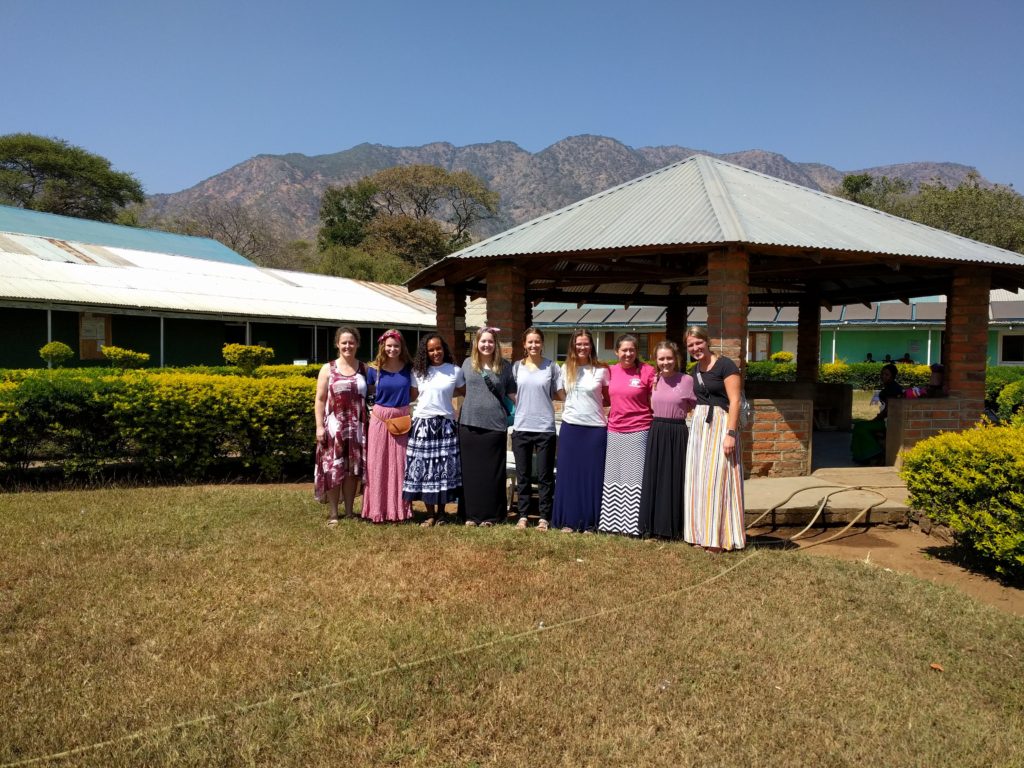
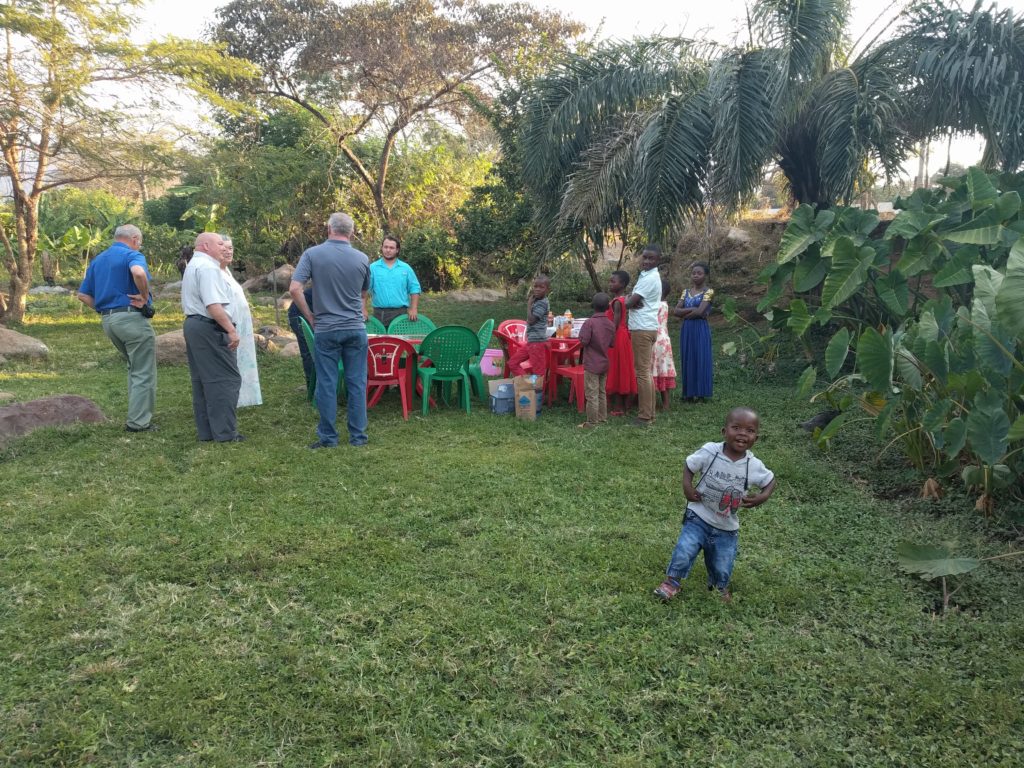
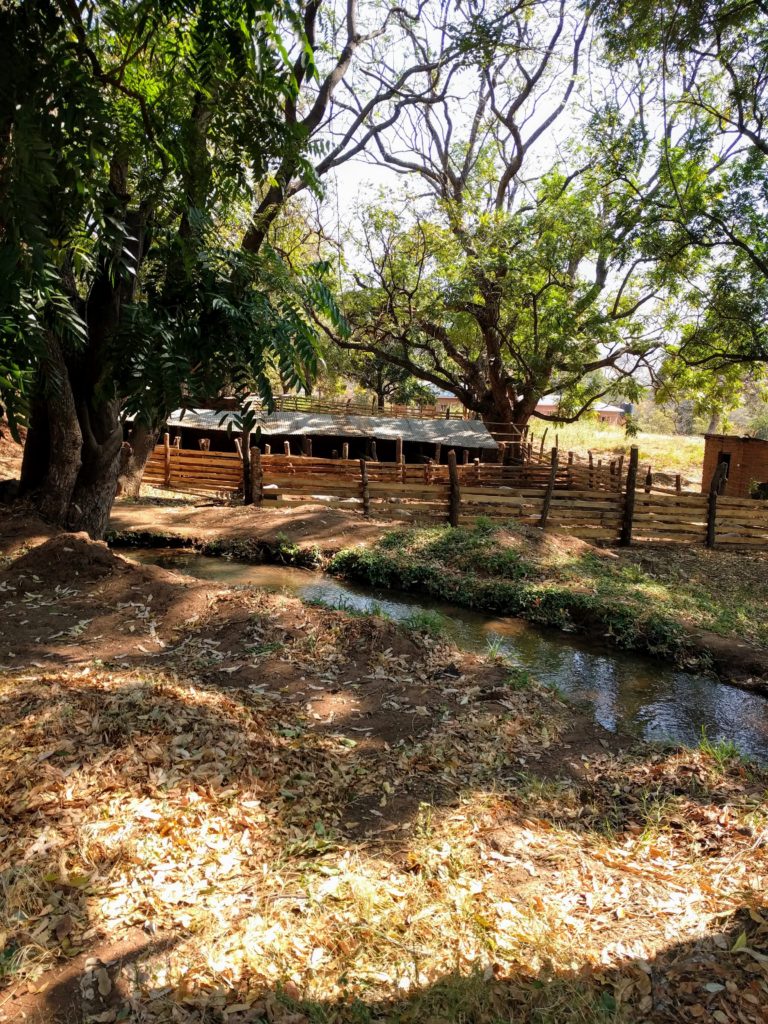
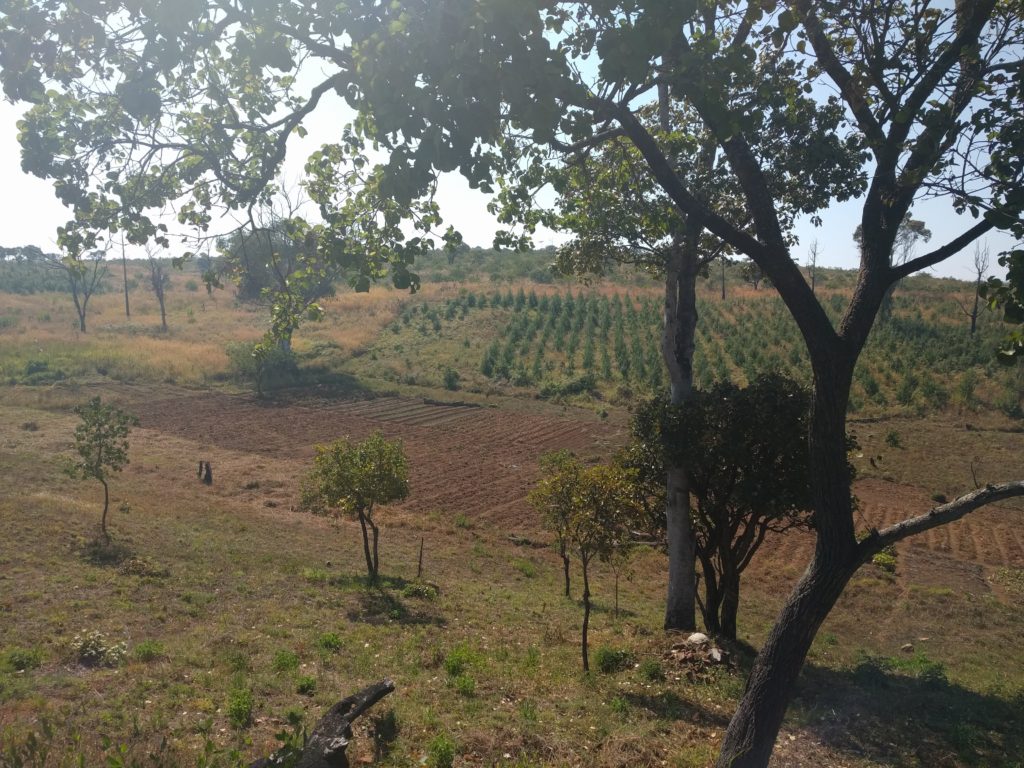
Chimala Mission Trip Pics July – August 2019
August 14, 2019
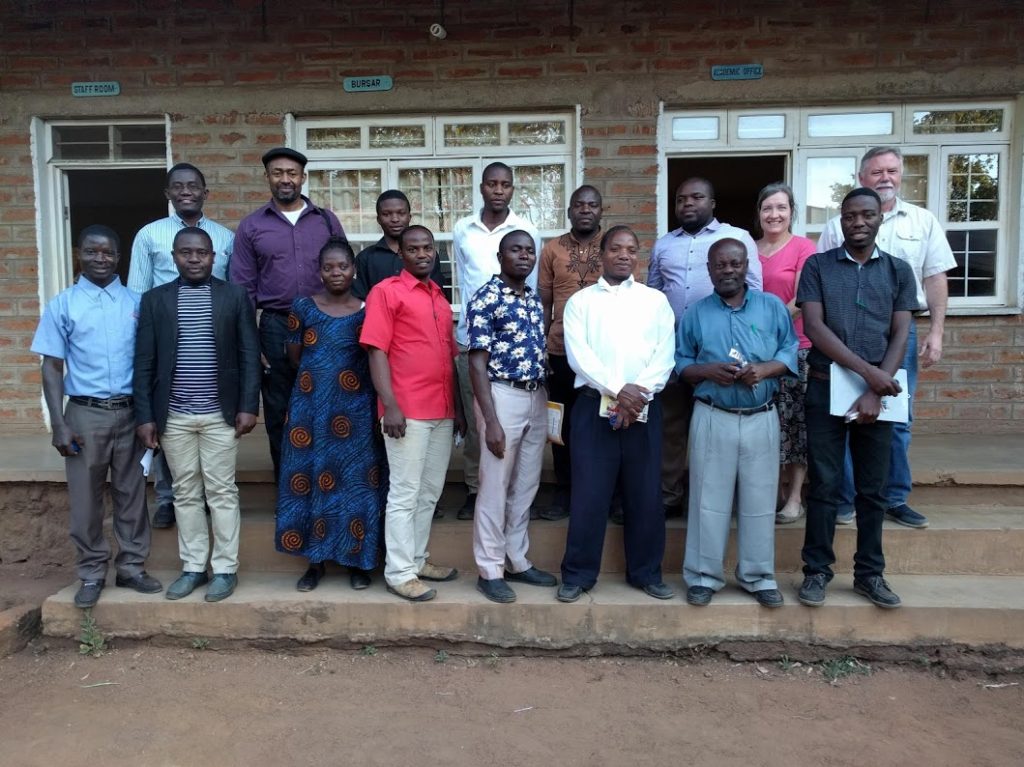
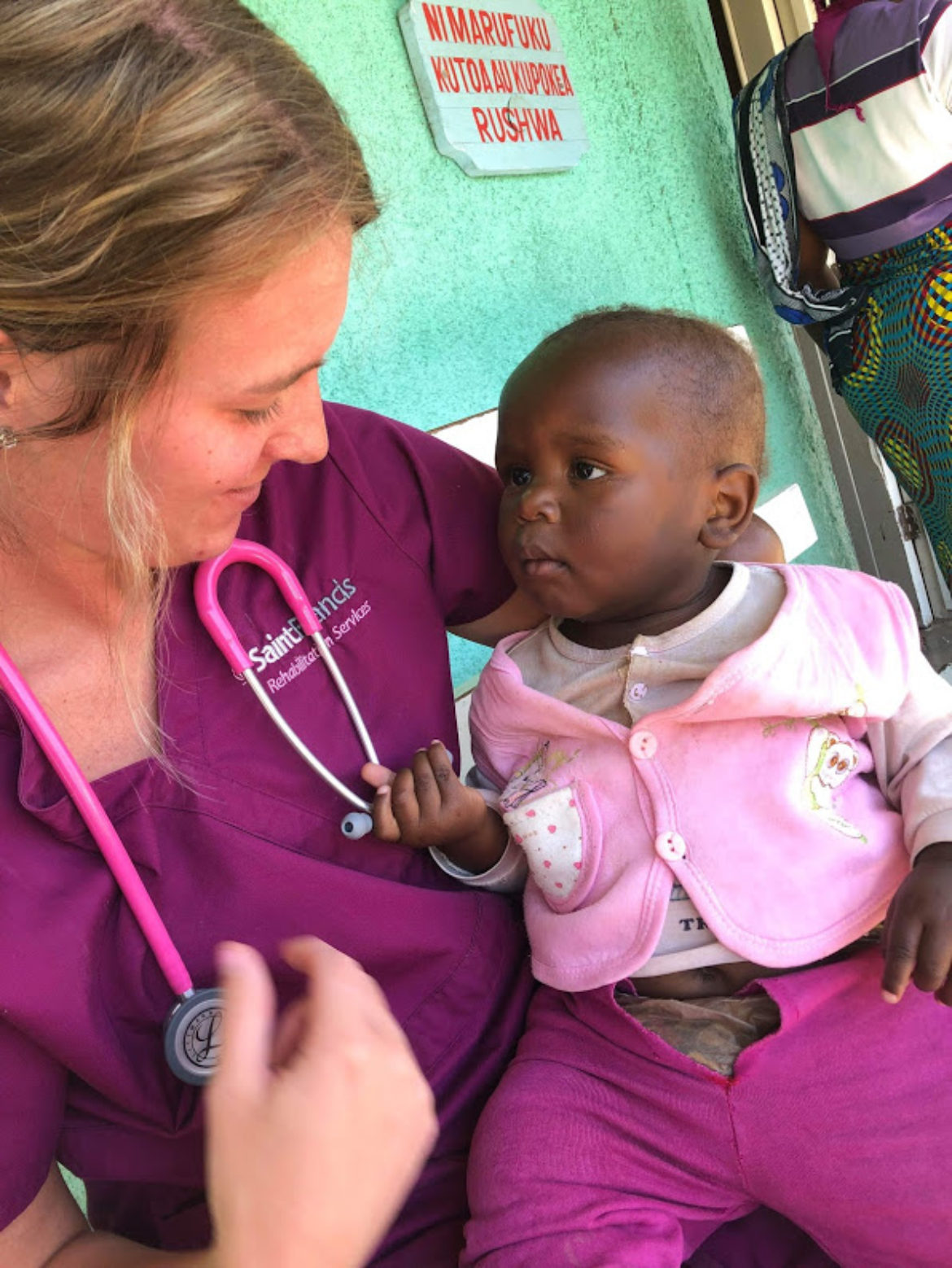
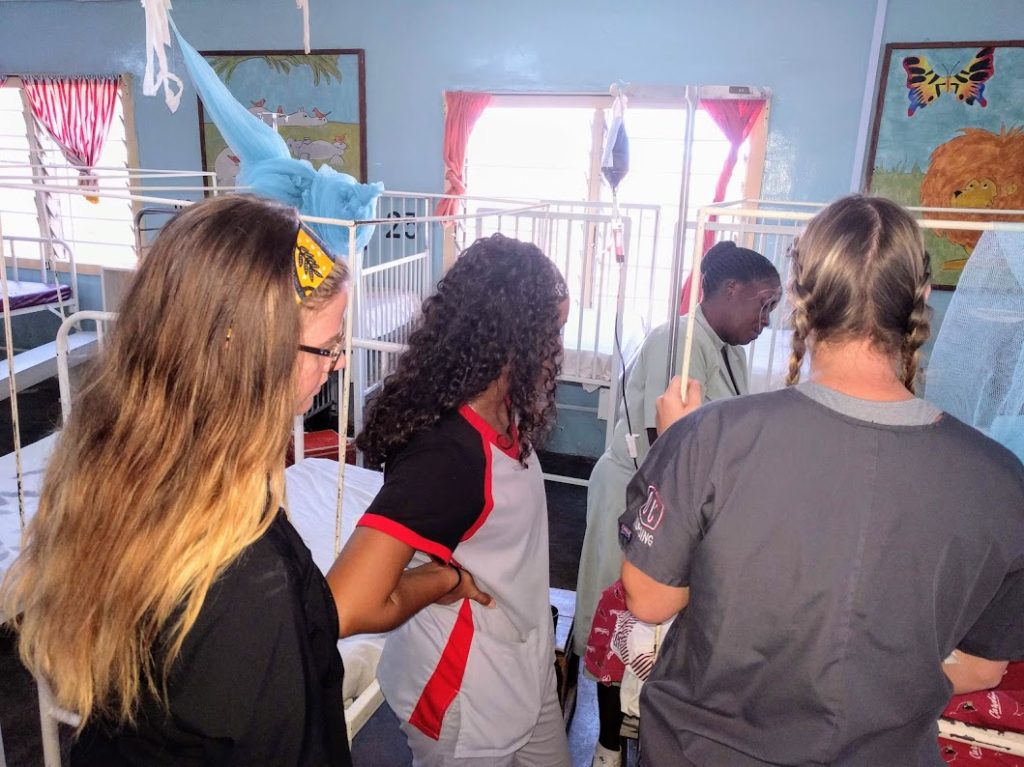
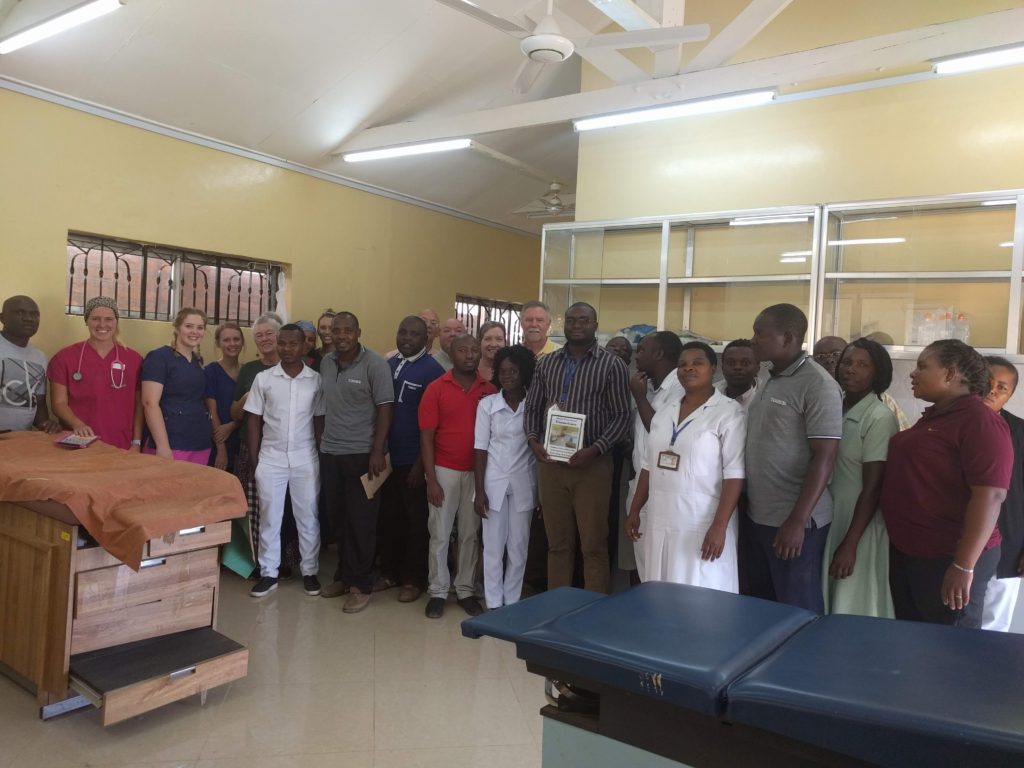
OCU nursing students taking vitals at free medical clinic

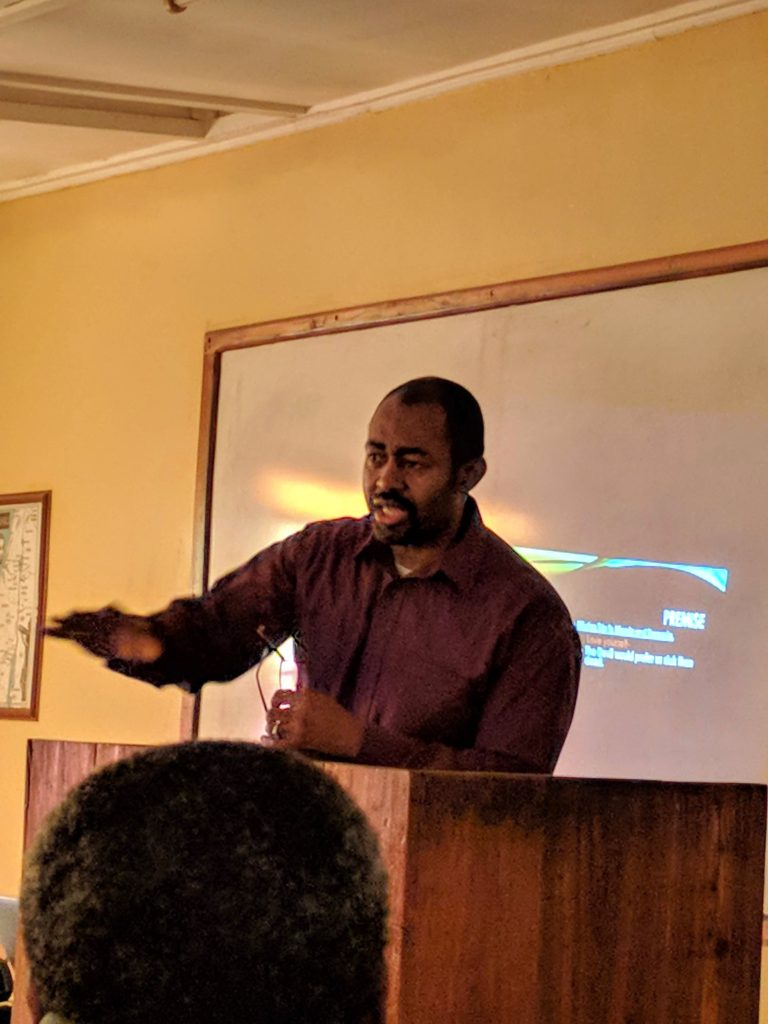
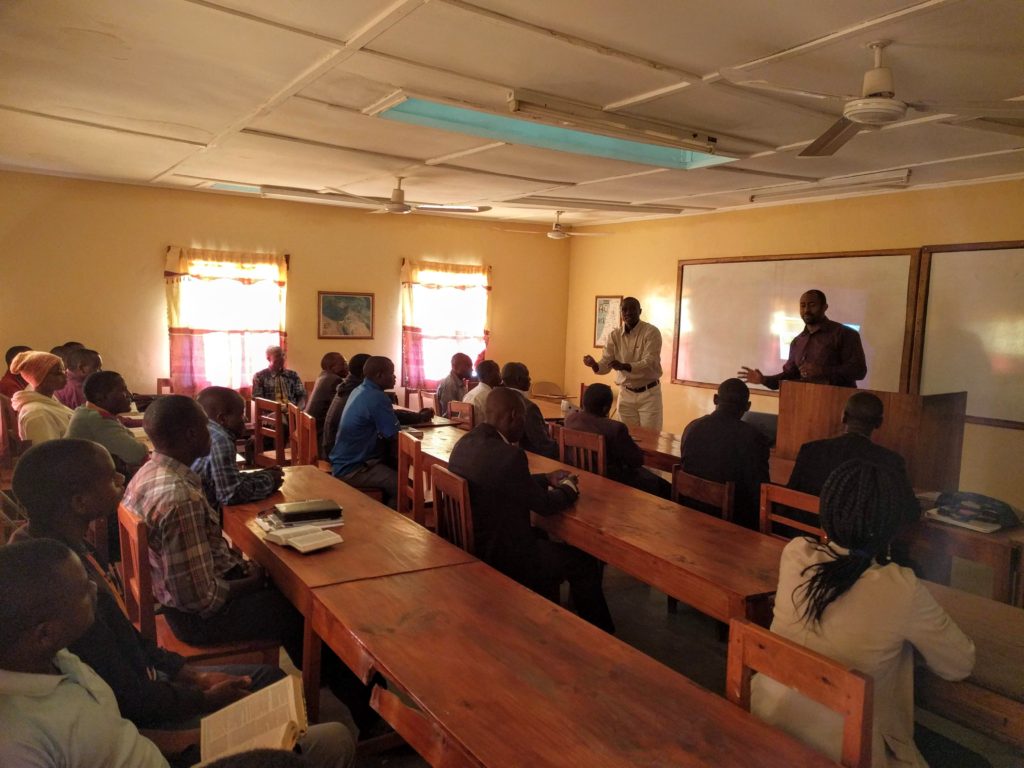
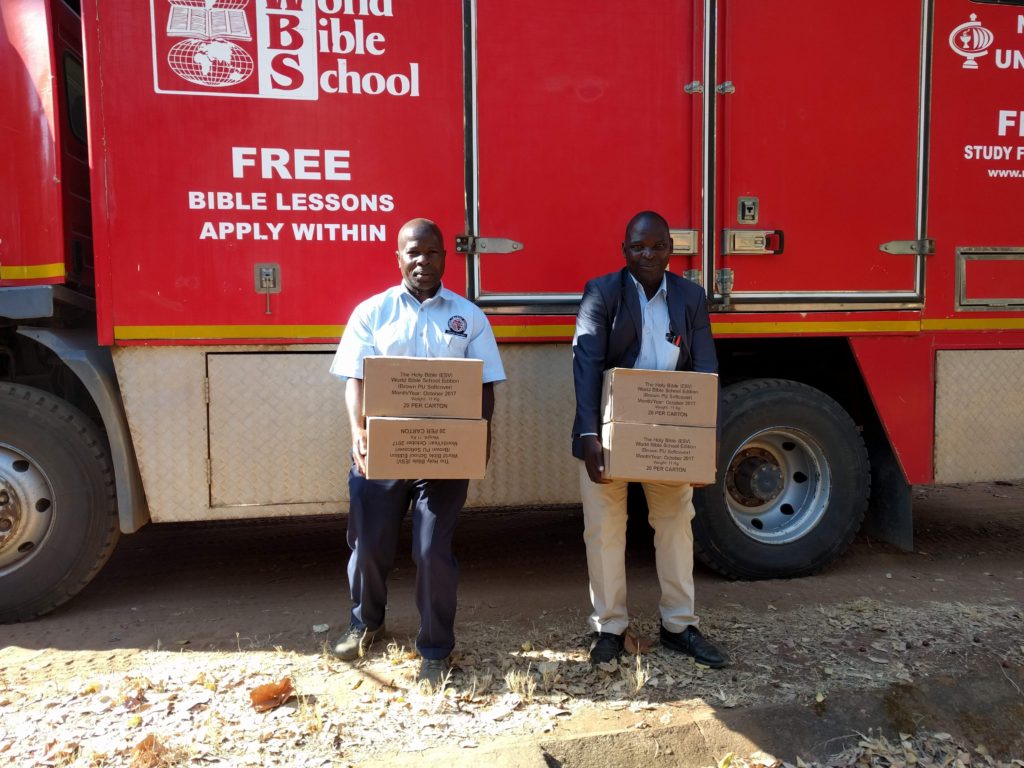
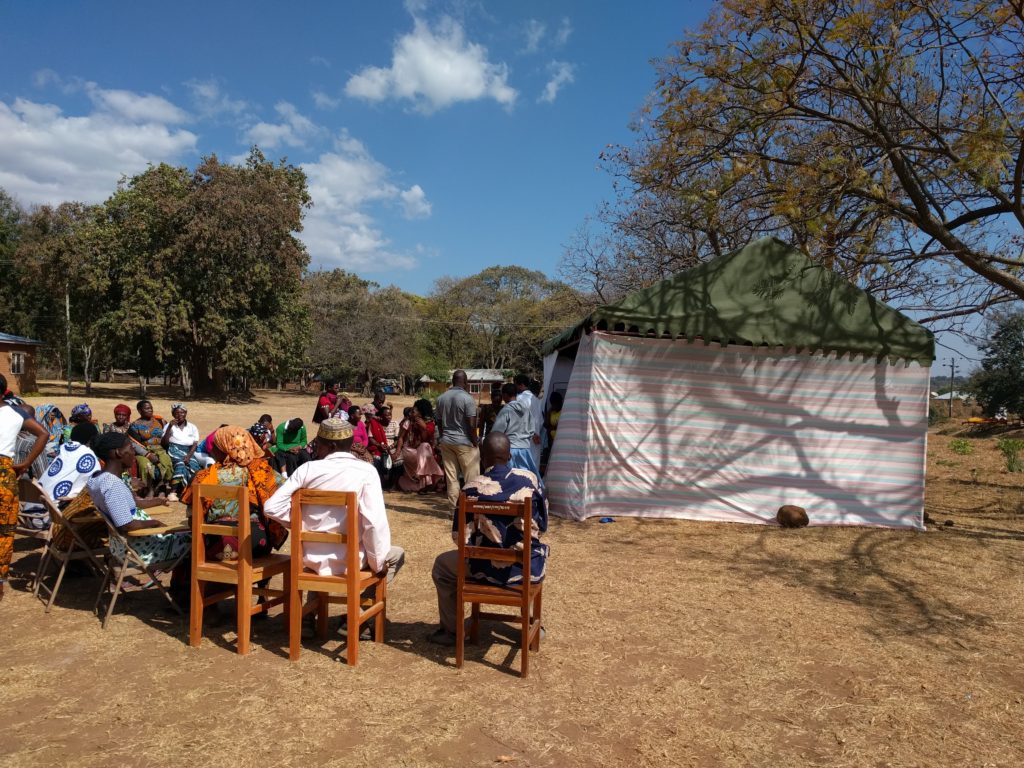
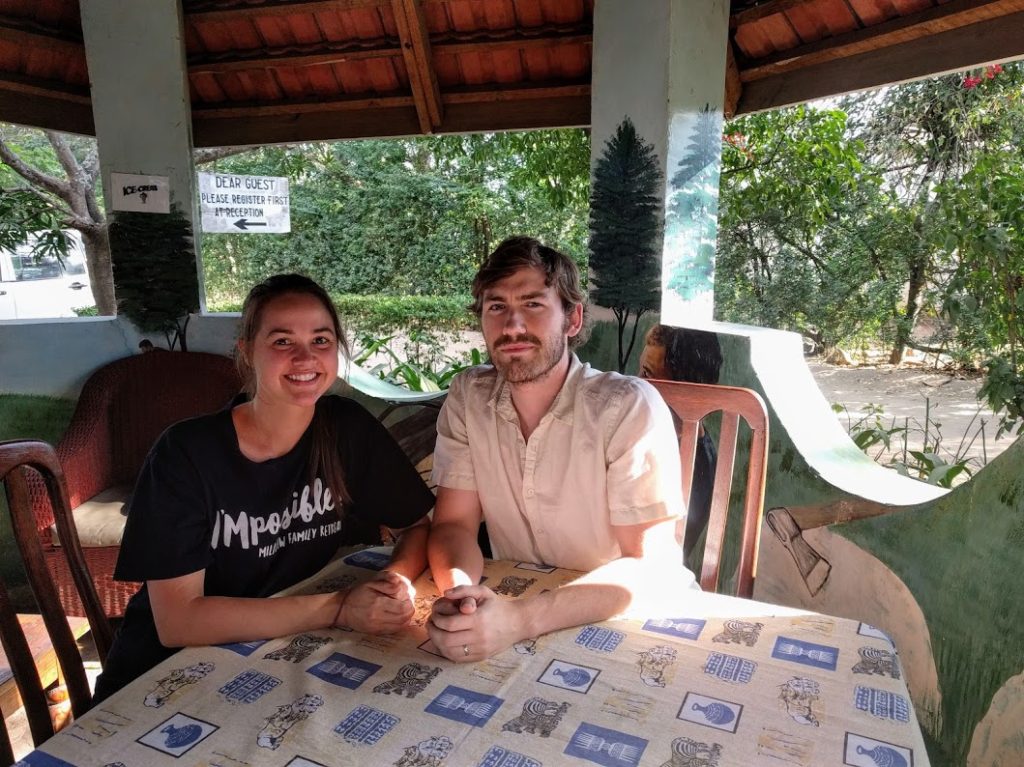
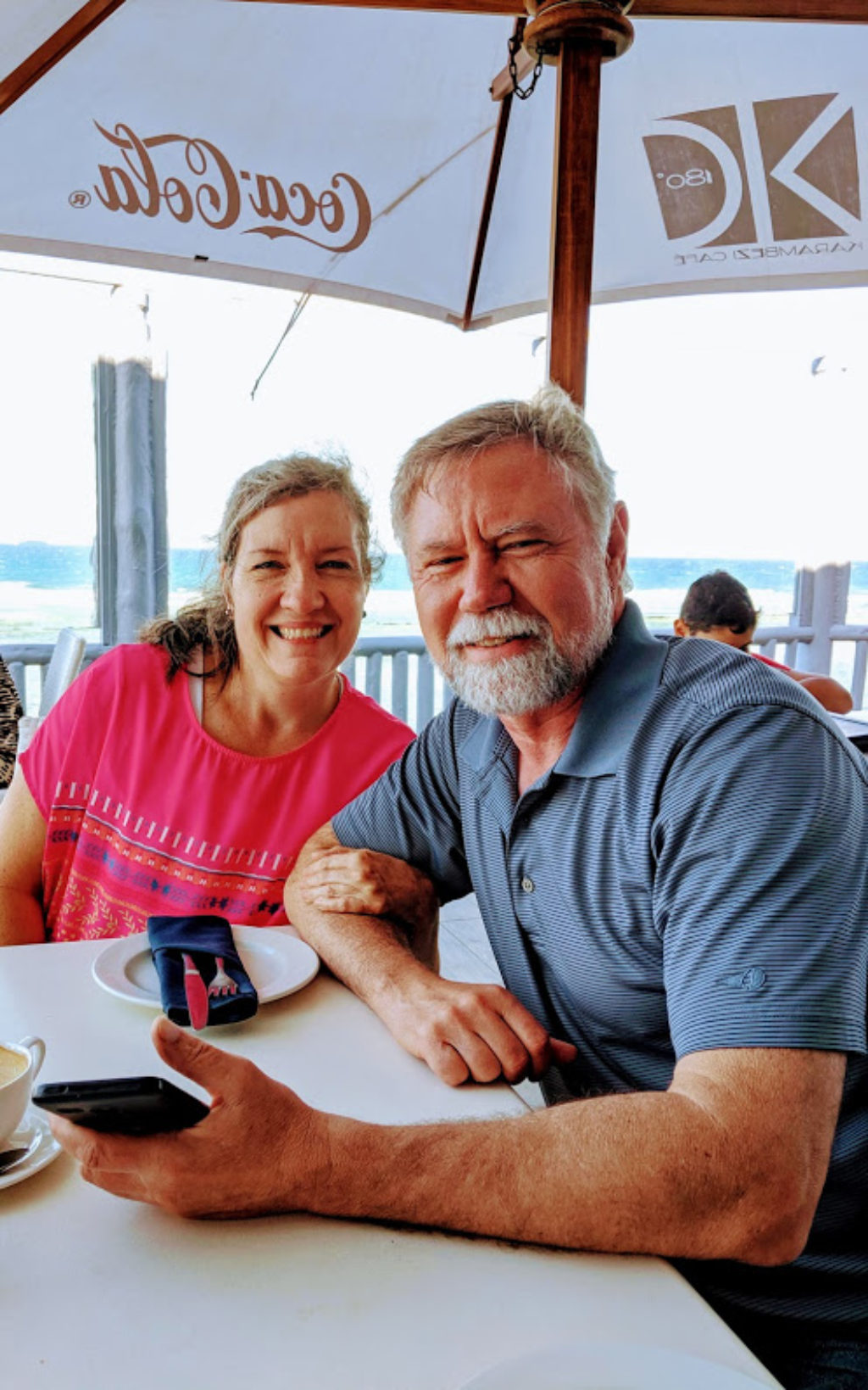
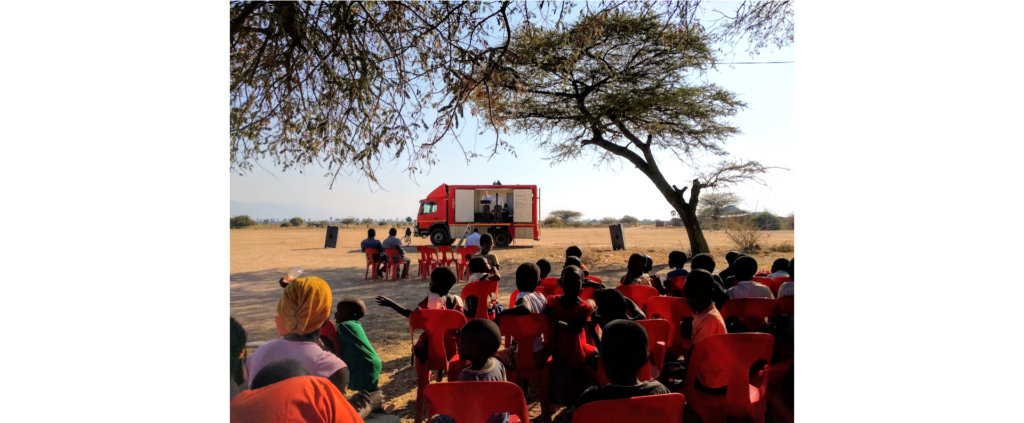
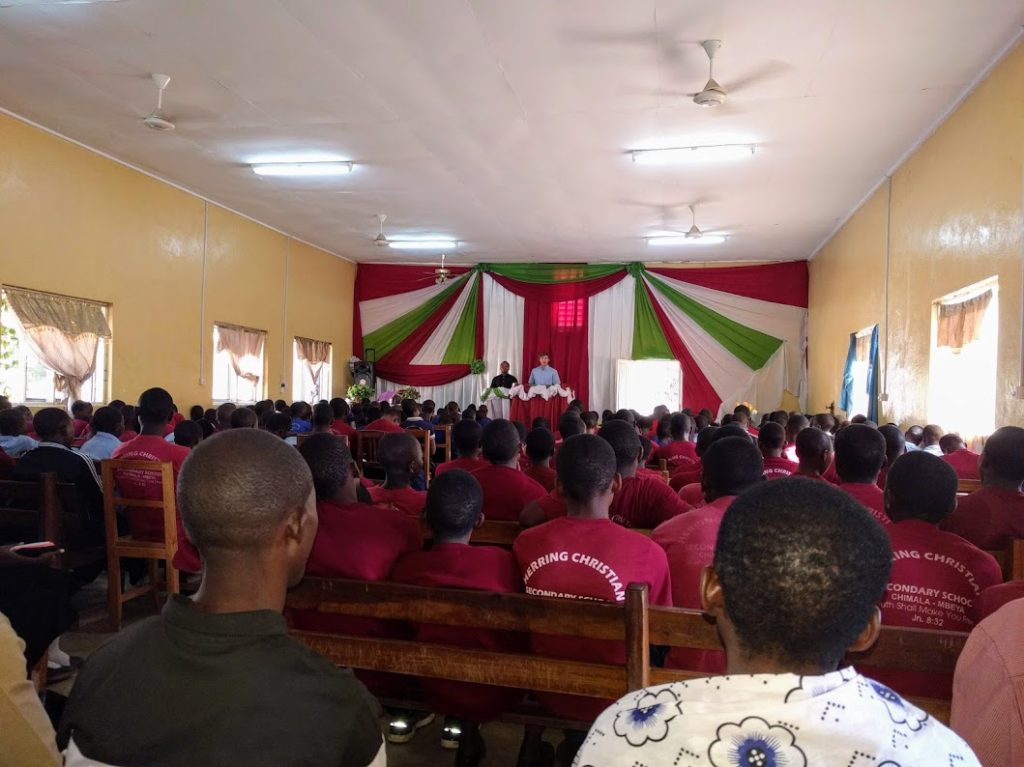
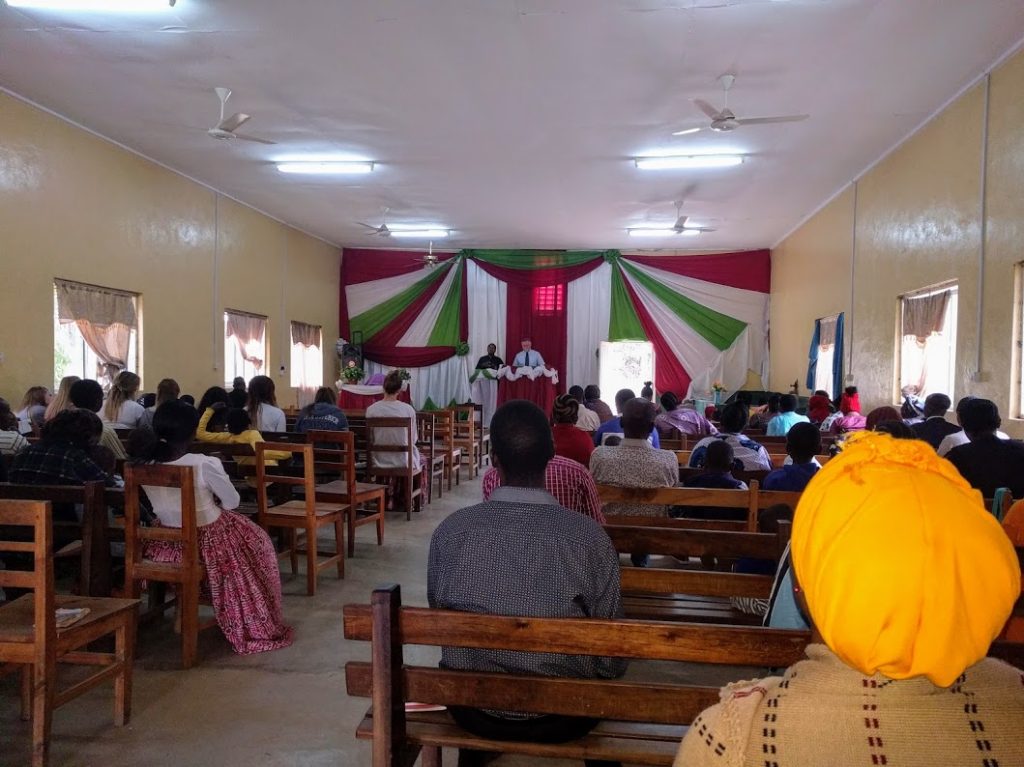
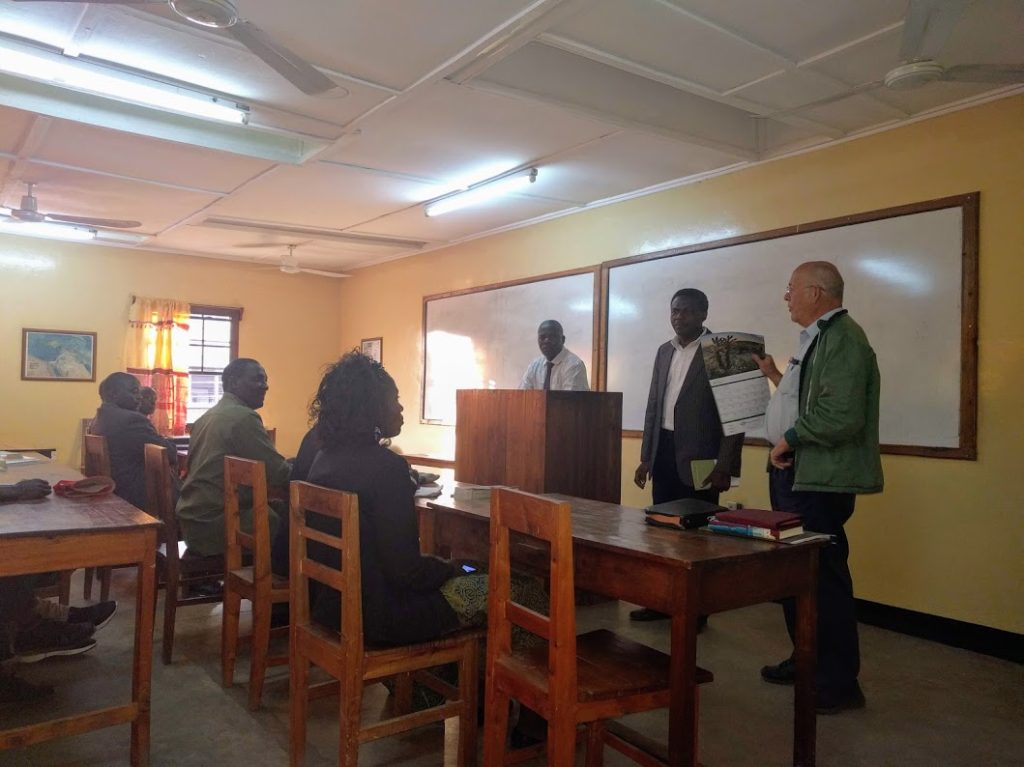



With so many visitors at the Chimala Mission while the Gospel Chariot campaigns are in full swing, we can’t get everyone in one single newsletter. This month’s edition introduces some new visitors with others to be introduced in next month’s issue. And please take time to think on the article on page four about preachers’ kids. Thanks for reading!
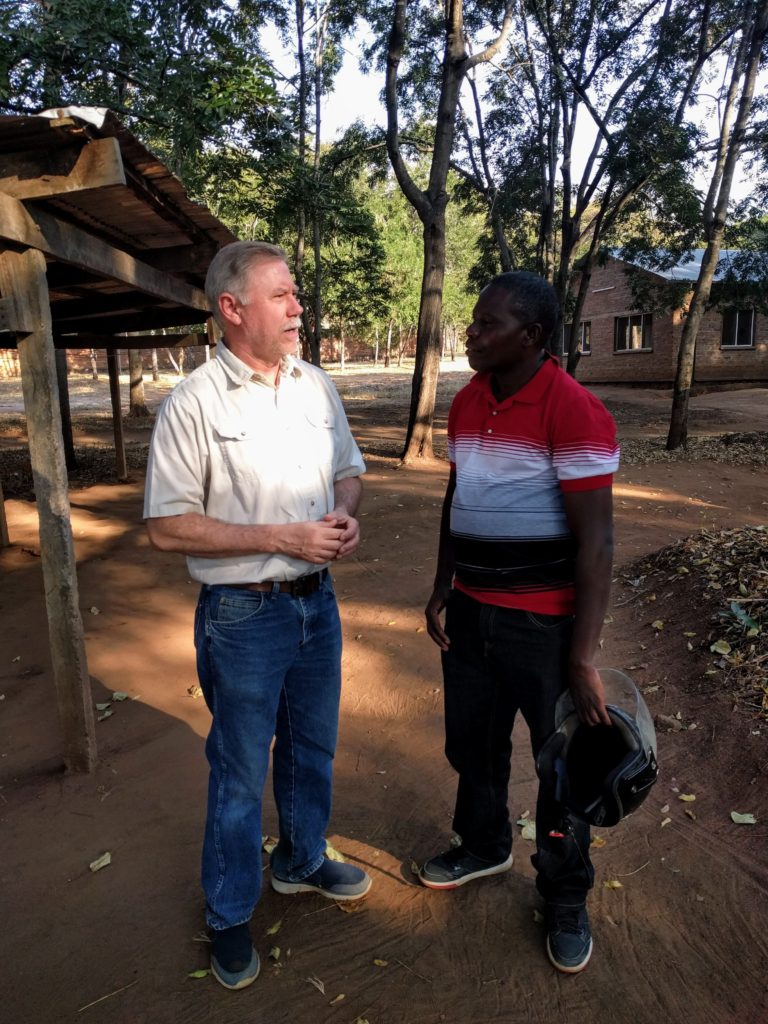
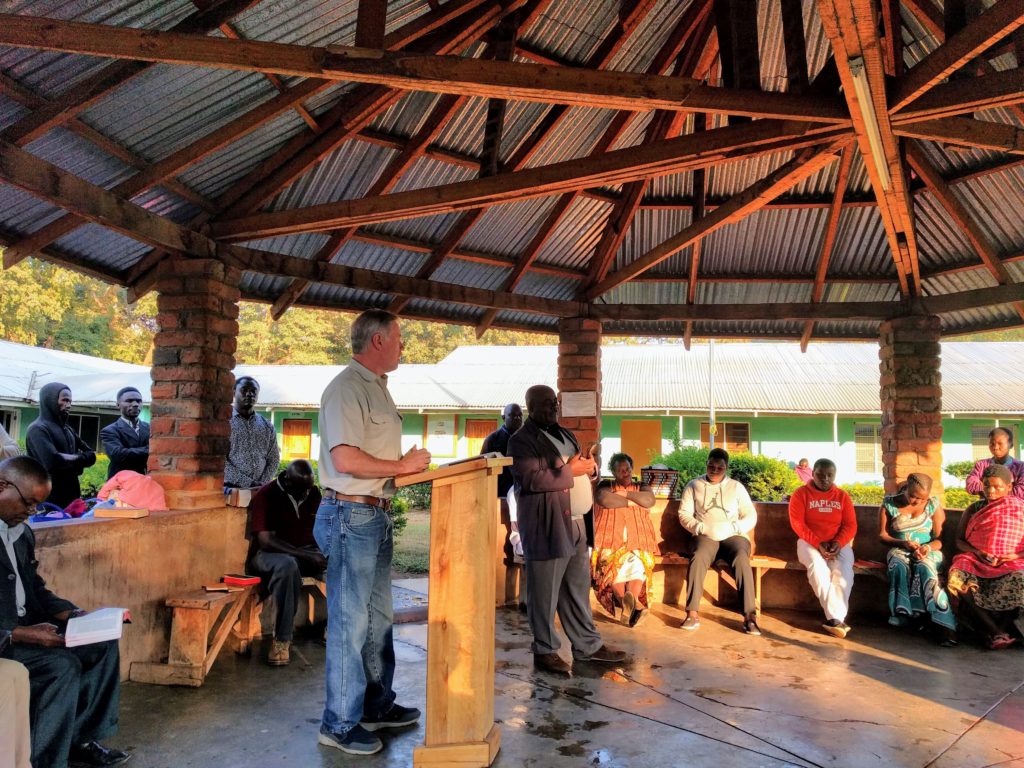
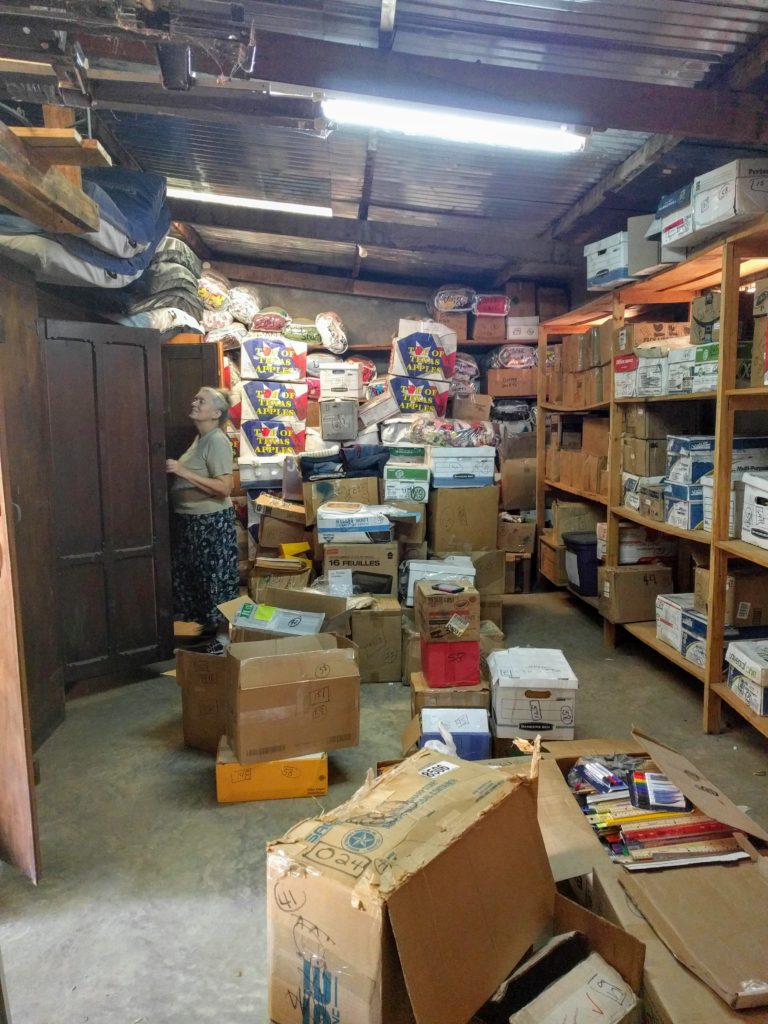
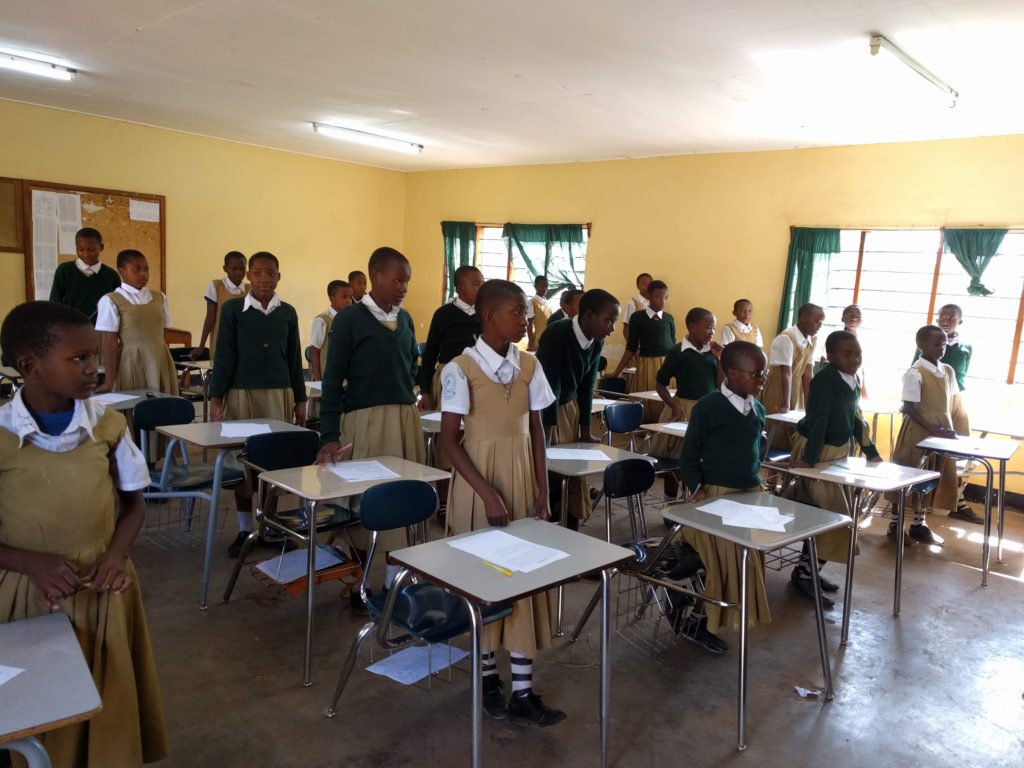

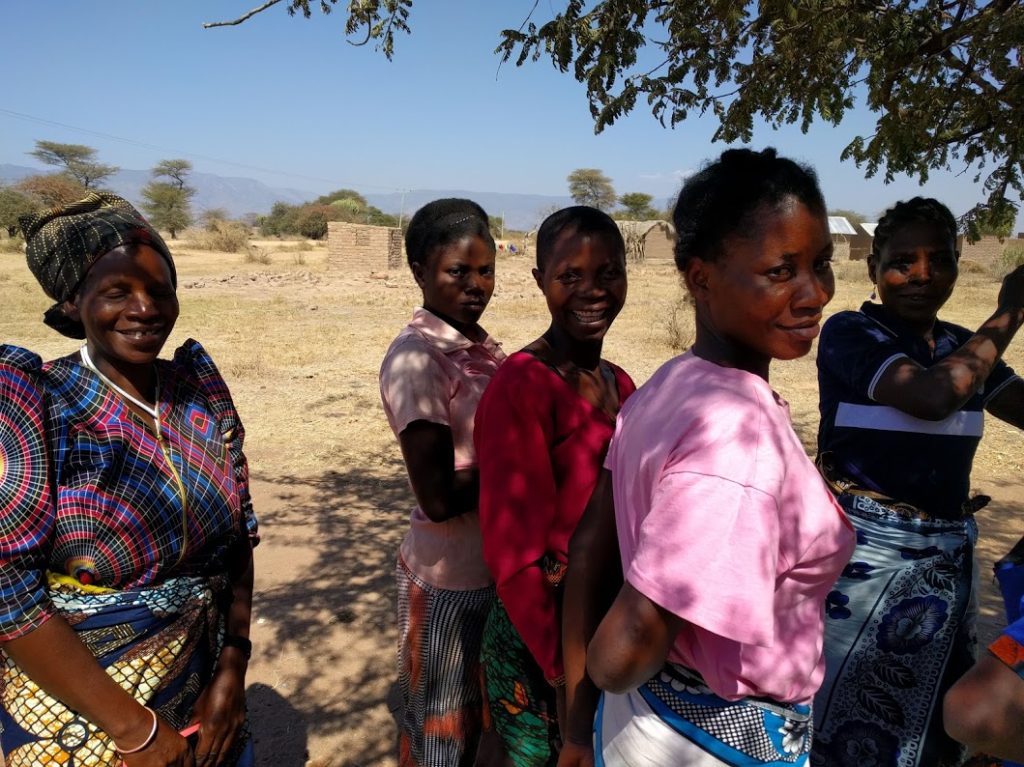
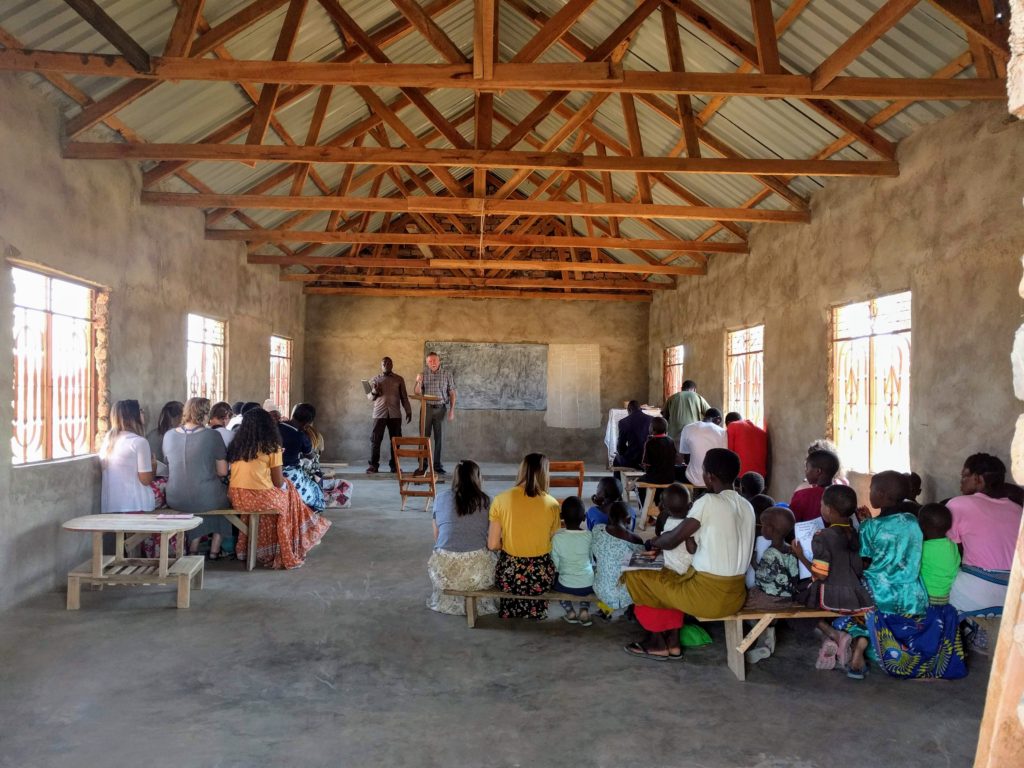
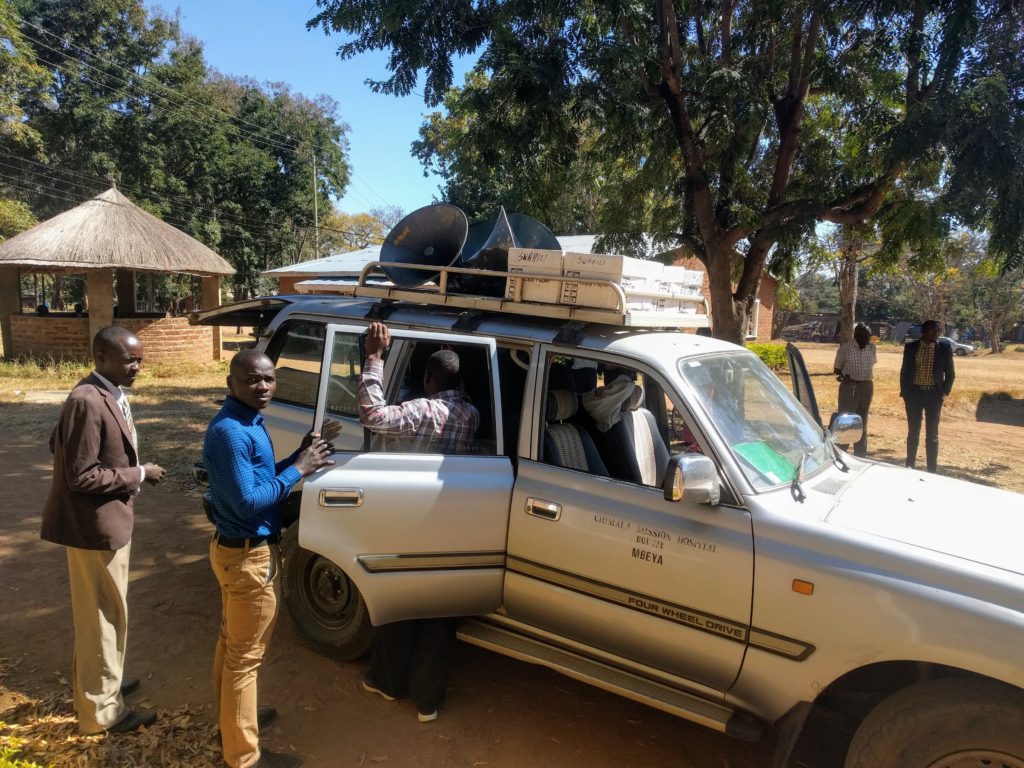
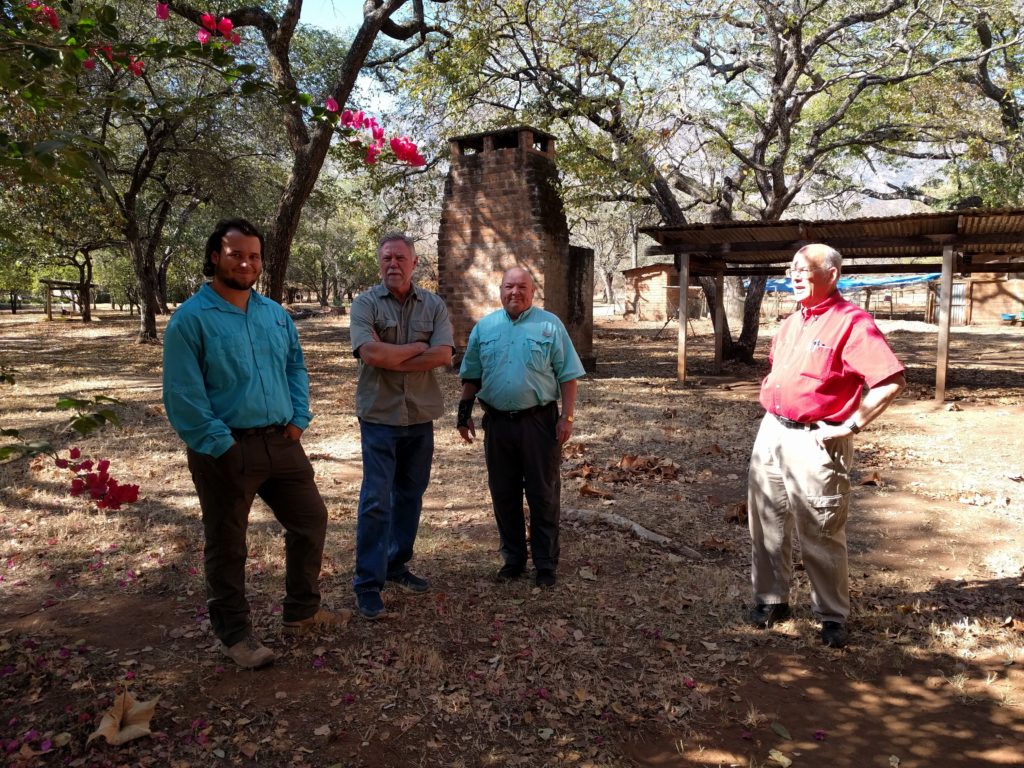
In this month’s issue of the Challenge, Chimala’s “winter” (our summer) is a time ushering in a host of events and visitors that make the mission busier than usual. The resulting blessings, however, are shared both by the visitors and those they assist or teach at Chimala. Thank you for reading!
Welcome to this month’s 8-page special edition of the Challenge of Africa newsletter. If you are not a regular subscriber, we invite you to join us. Your prayers and support are keeping the work of preaching the gospel of Jesus Christ alive in Southern Tanzania.
We hope you enjoy the larger format of this month’s Challenge of Africa containing more information about the Chimala Mission.
In this month’s issue, read how God’s providence can surprise us through one man’s evangelism. Also updates on the farm project and new opportunities to help.
February 2019
Visitors are always welcome to the Chimala Mission
Change is in the air at the Chimala Mission as it moves forward to spiritual renewal. Holding fast to sound doctrine as given by our Lord, read about “raising the spiritual bar” of the Chimala Mission as it renews its commitment to “seek and to save the lost”.
Sometimes Gage Coldwater teases me about how many meetings I have to call. It’s all in fun – you have to have a sense of humor to do mission work! But when you consider the magnitude of this mission—a 120-employee hospital that touches the lives of 60,000 patients per year, 700 primary and secondary students plus teachers and staff, missionaries, 30 CSOP students and staff, and a host of doctors, matrons, cooks, cleaners, gardeners, farm workers, carpenters, plumbers, electricians and guards on a 720-acre estate—understanding the numerous things that occur at the mission every day is of upmost importance.
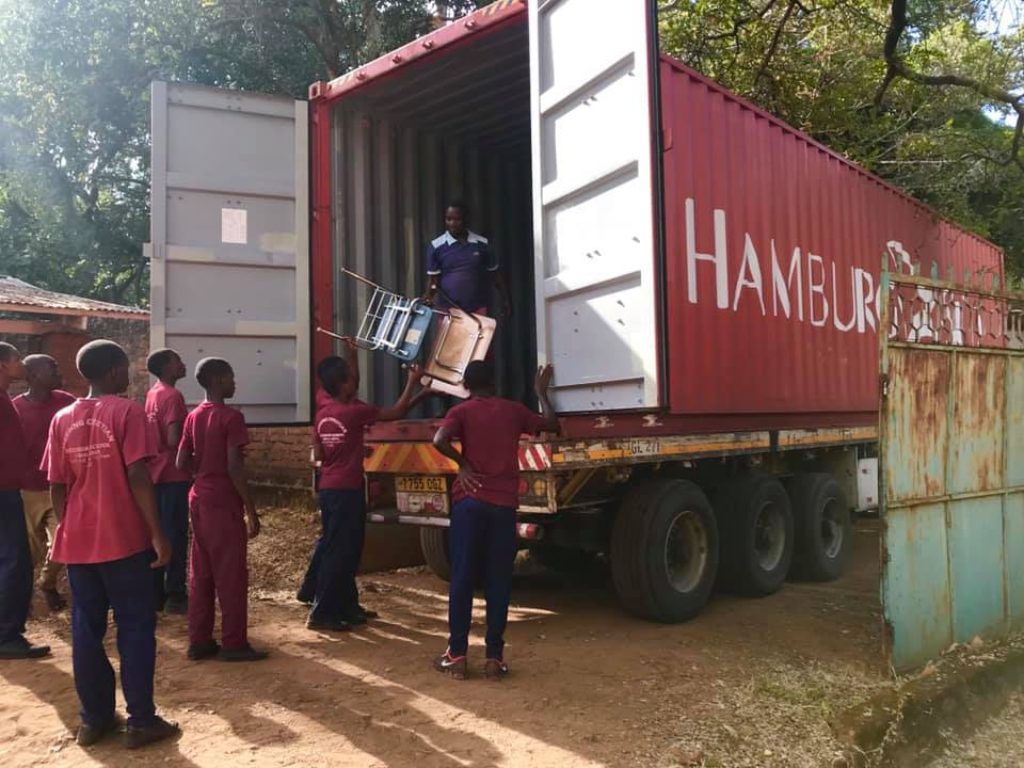
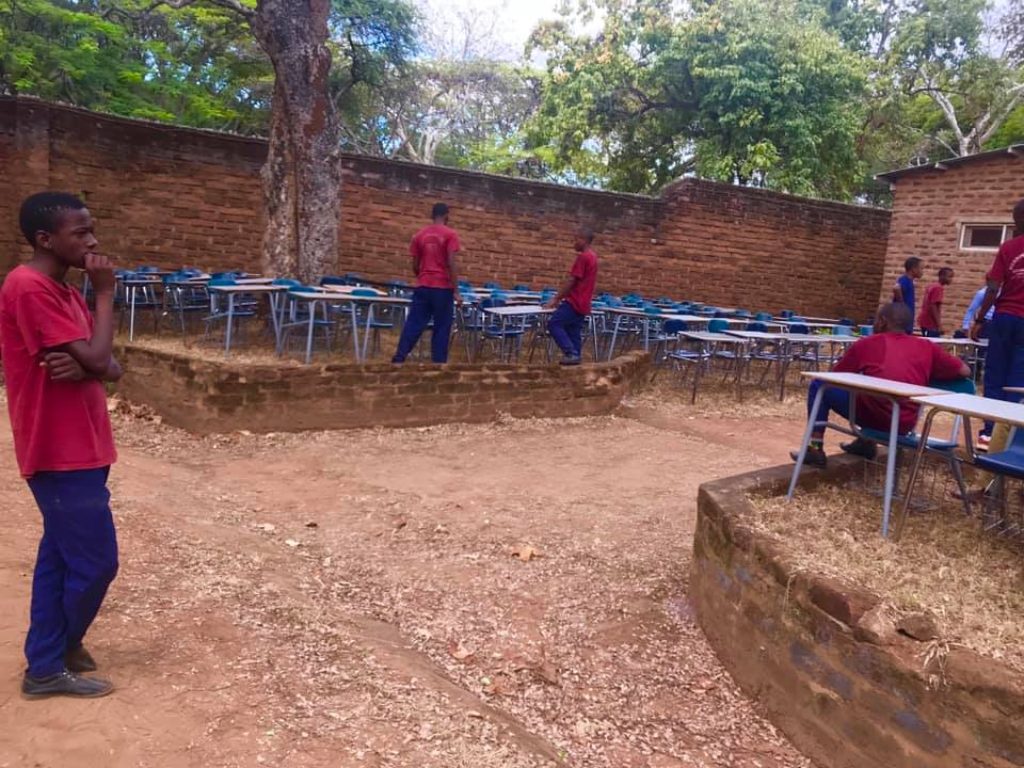
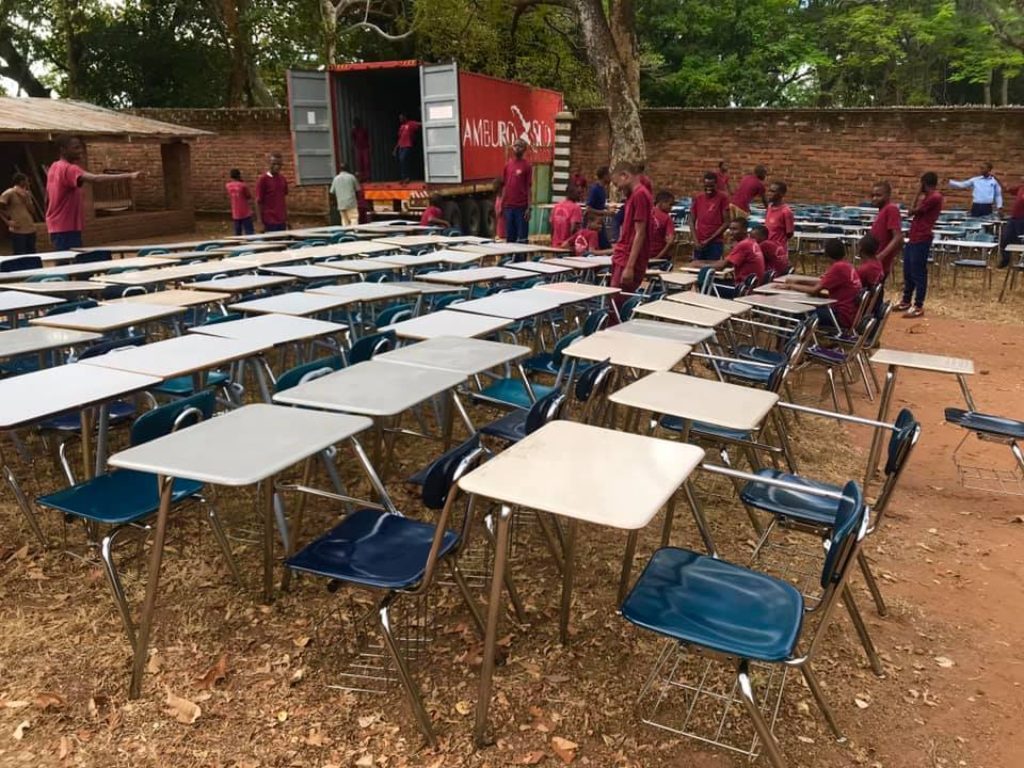
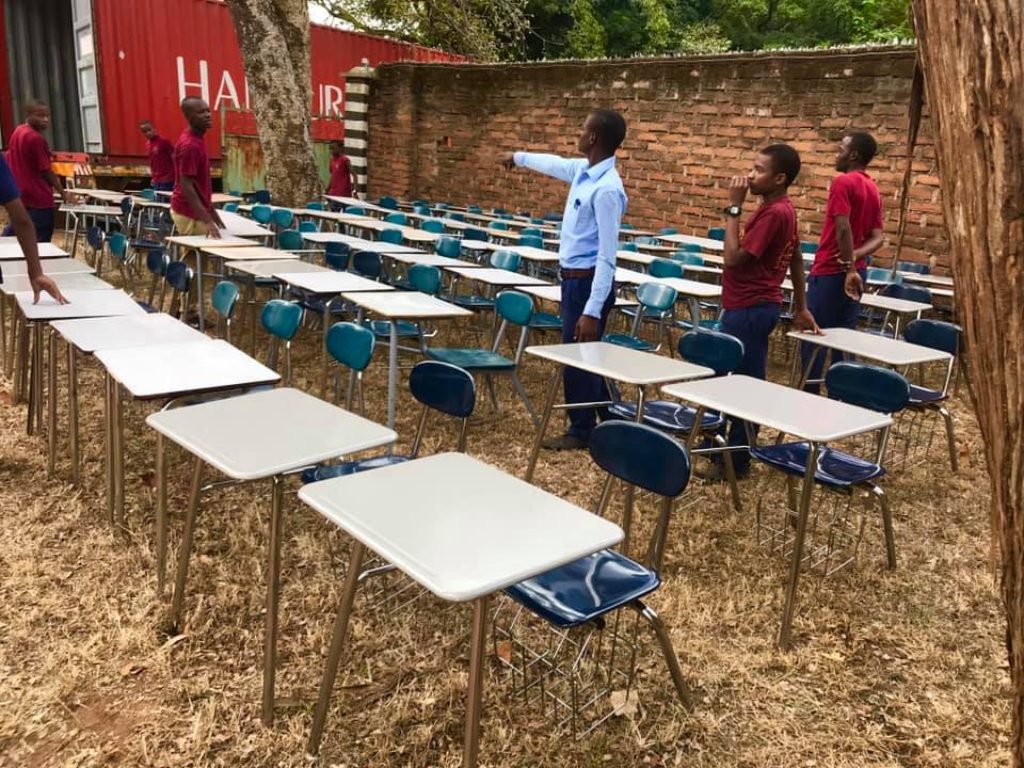
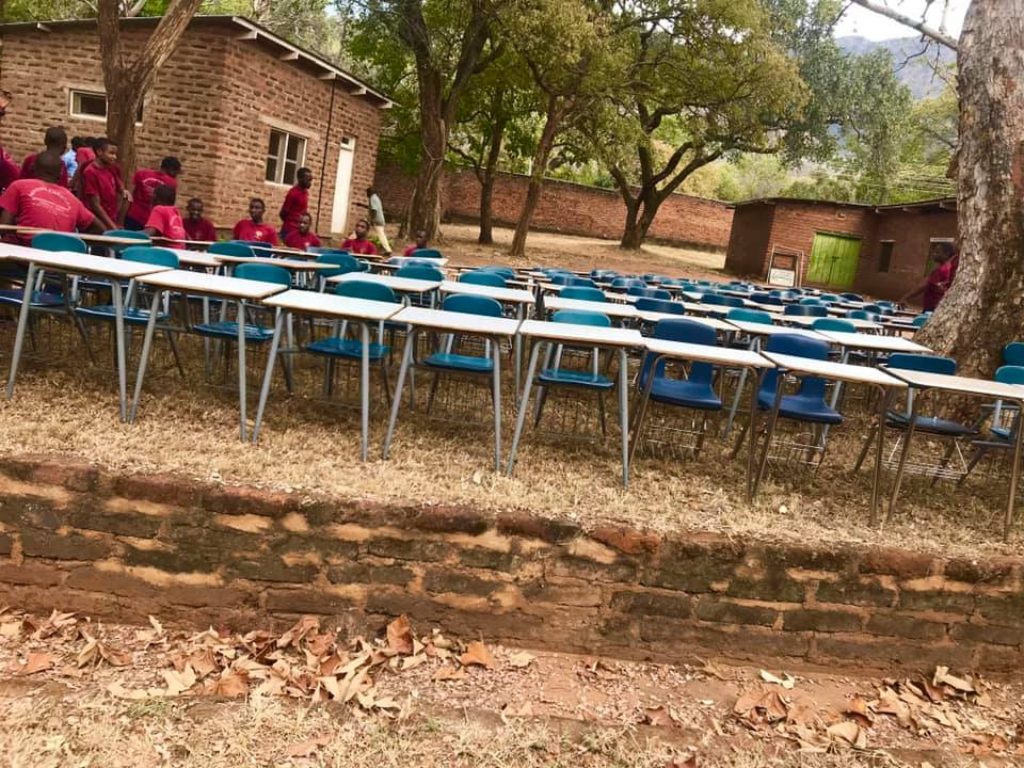
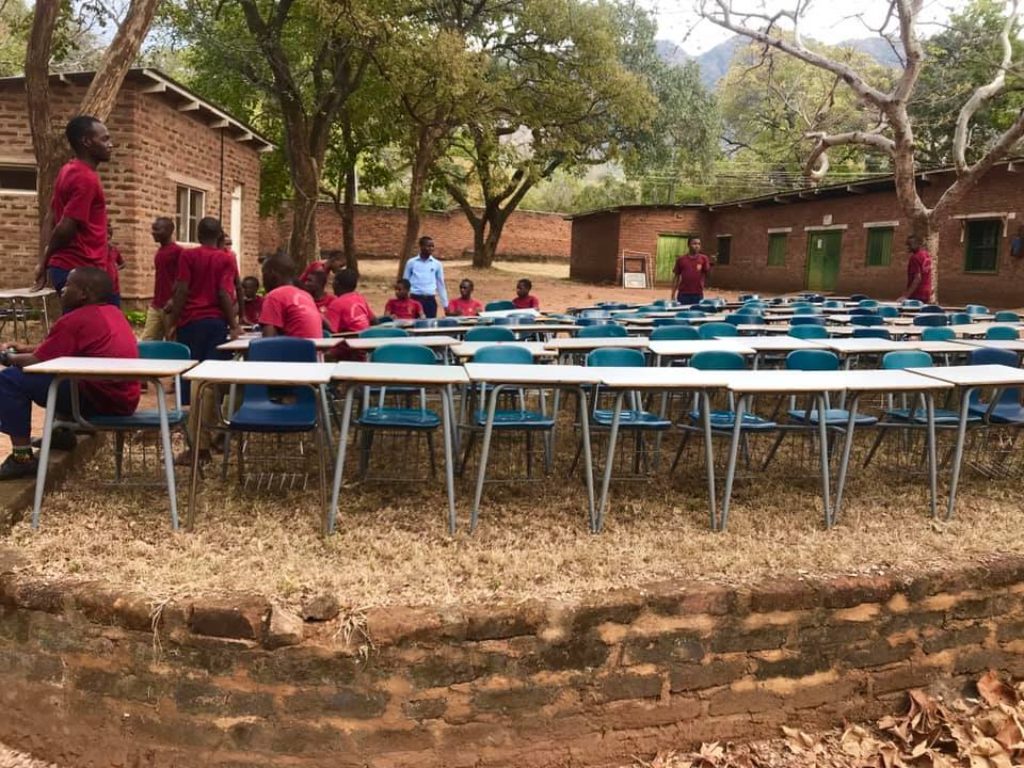
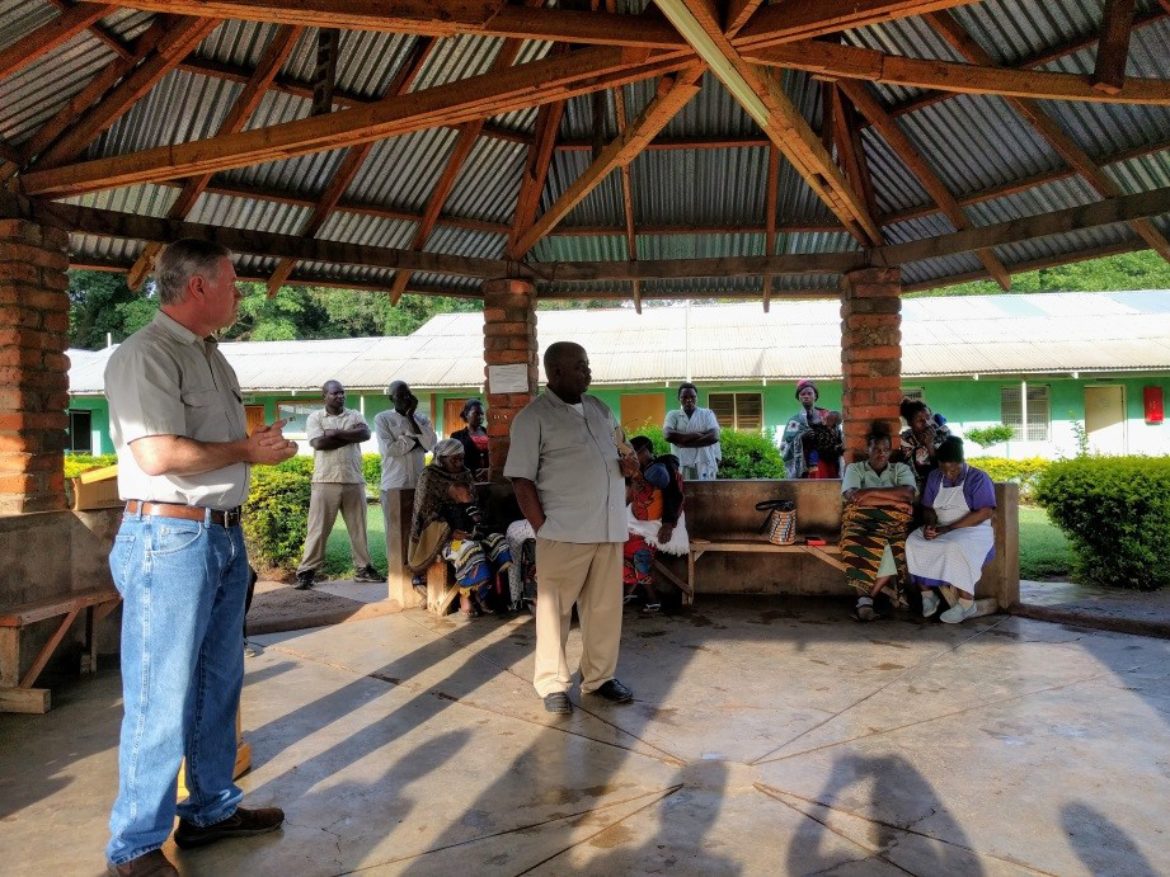
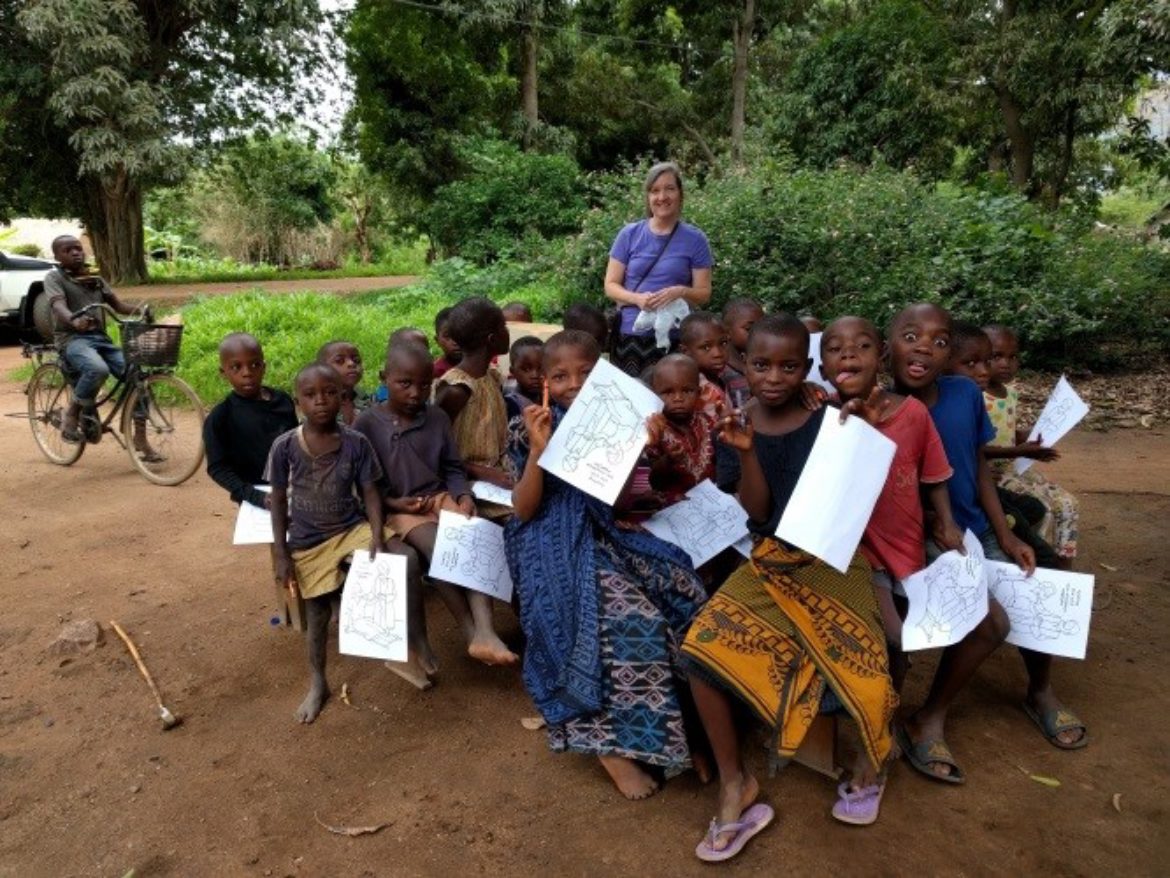
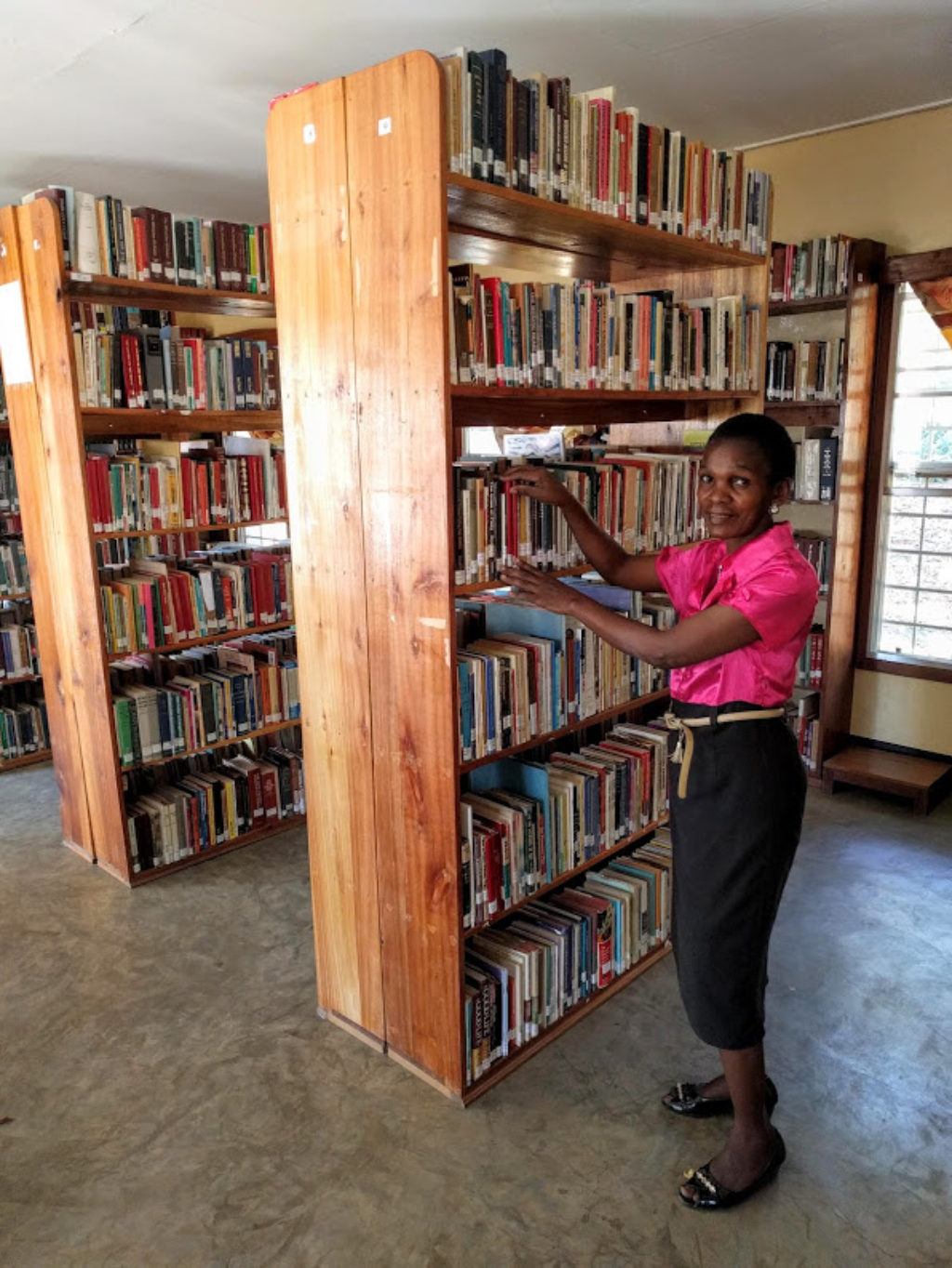
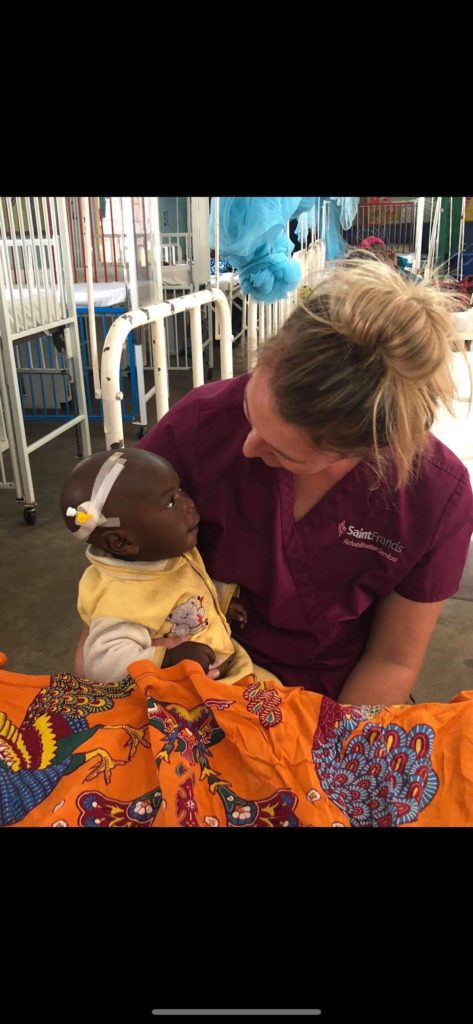
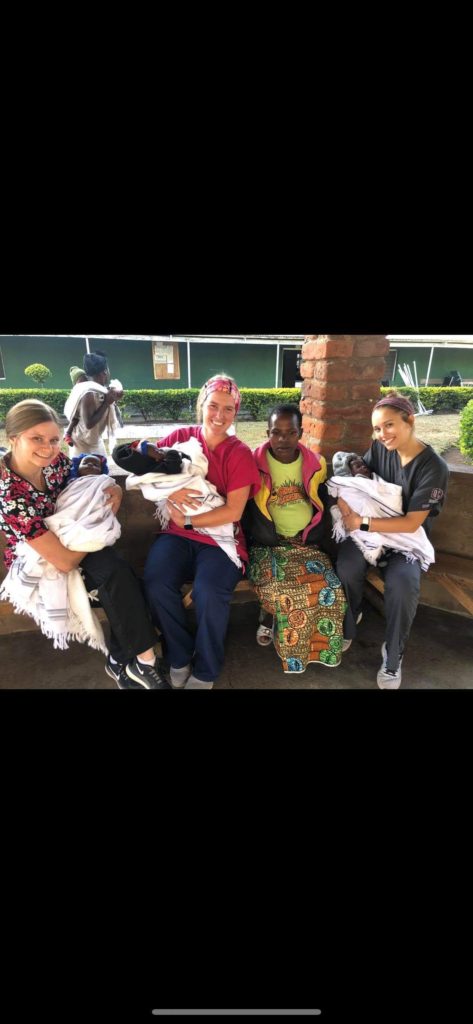
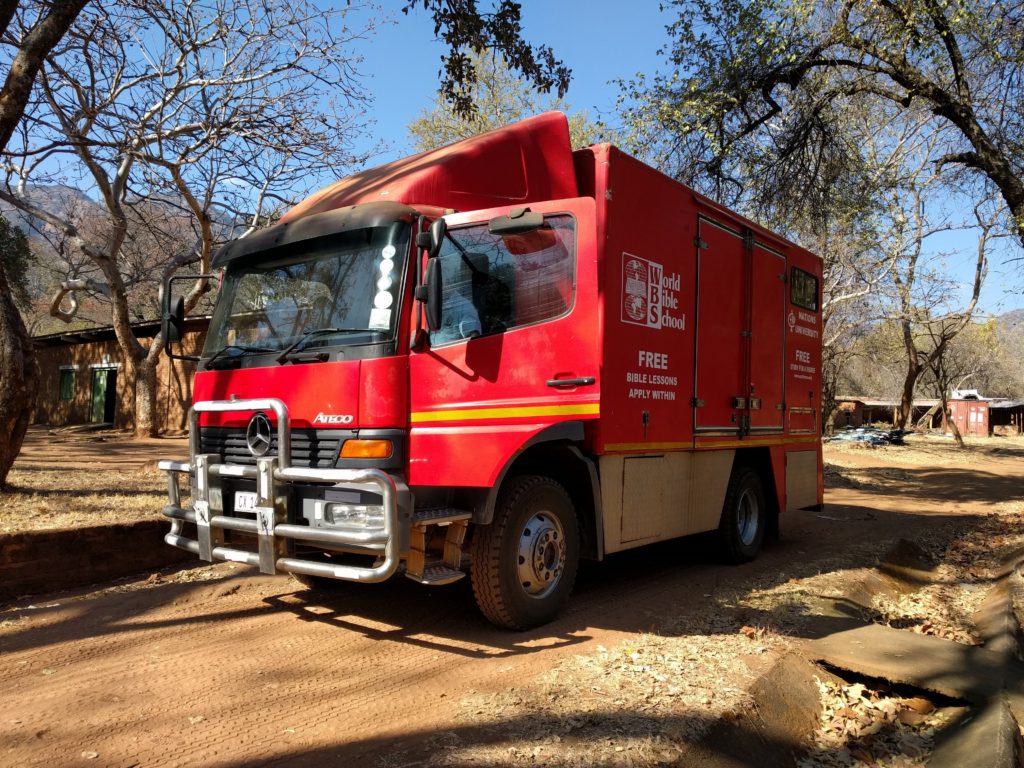
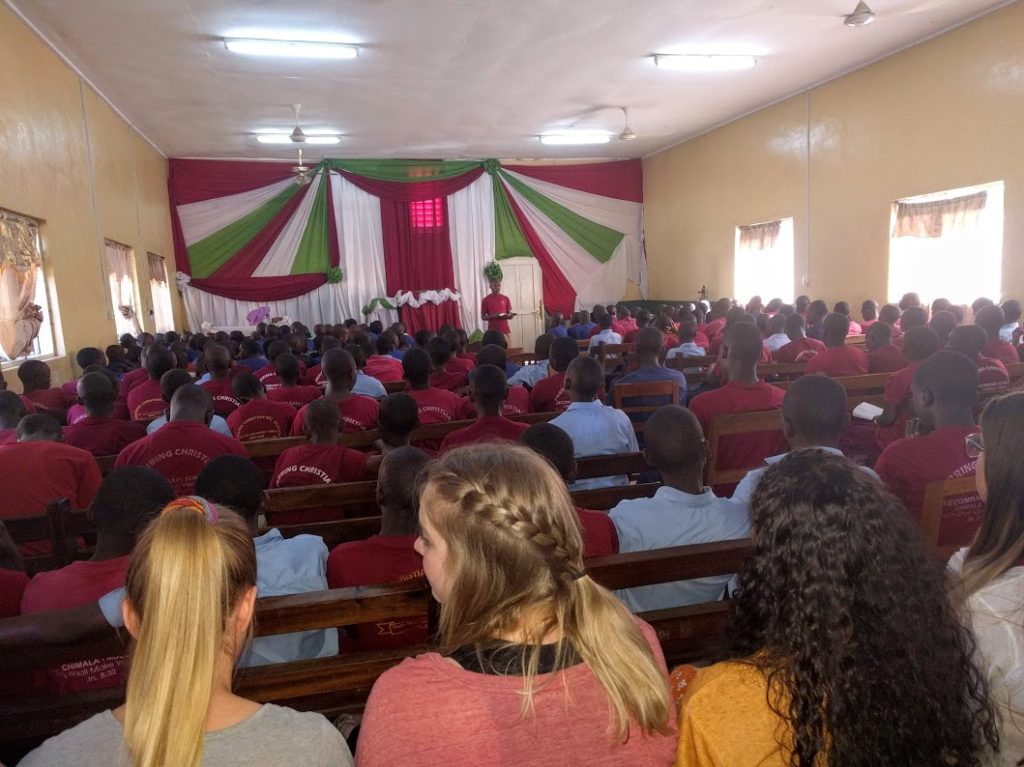
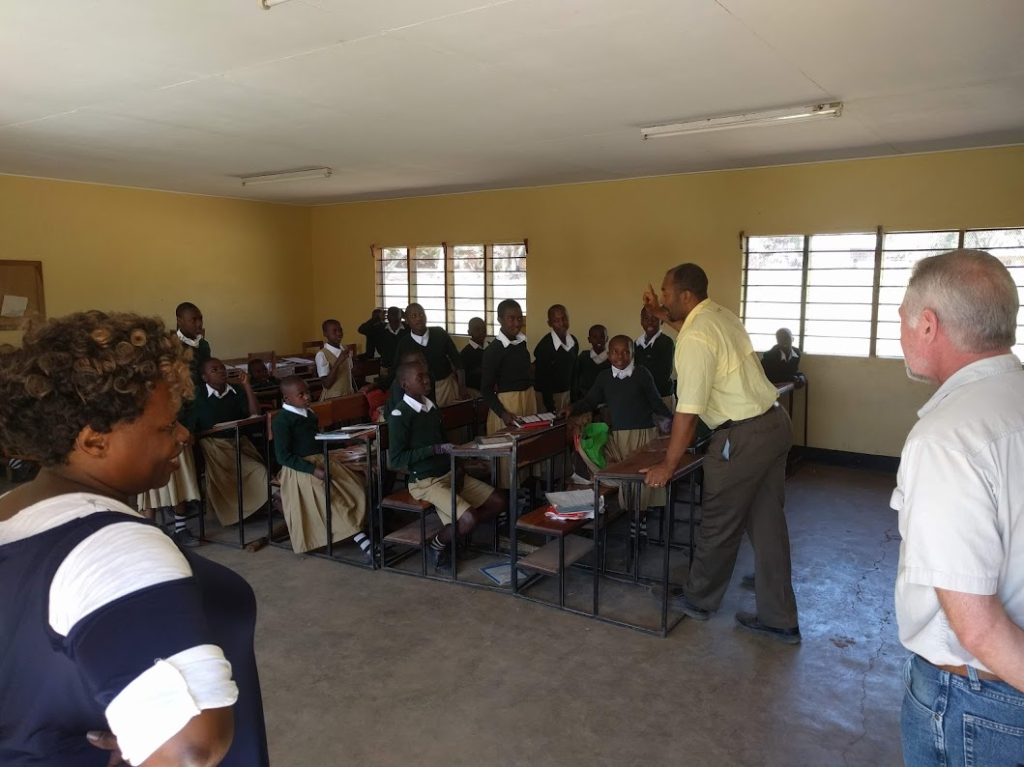
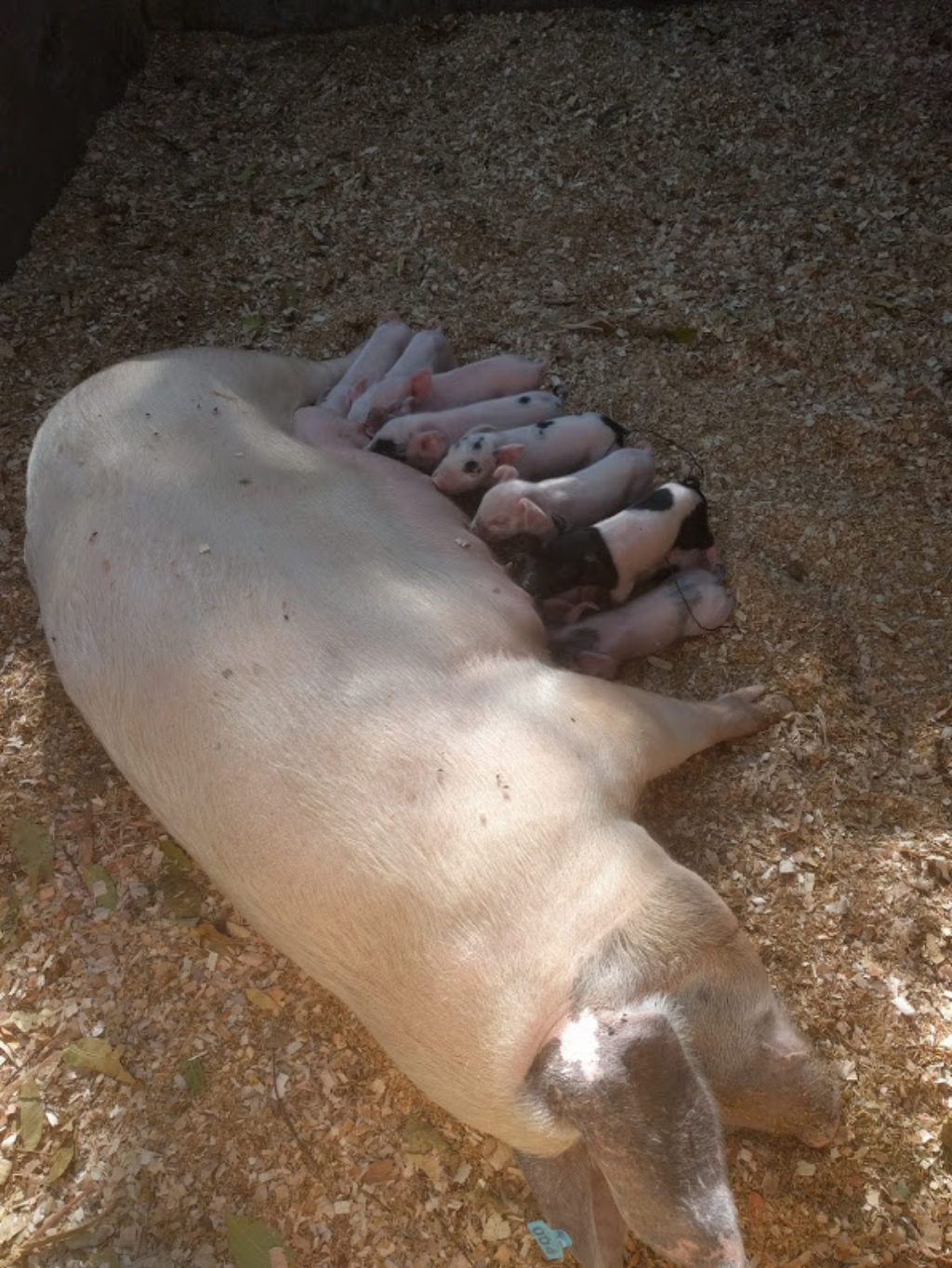
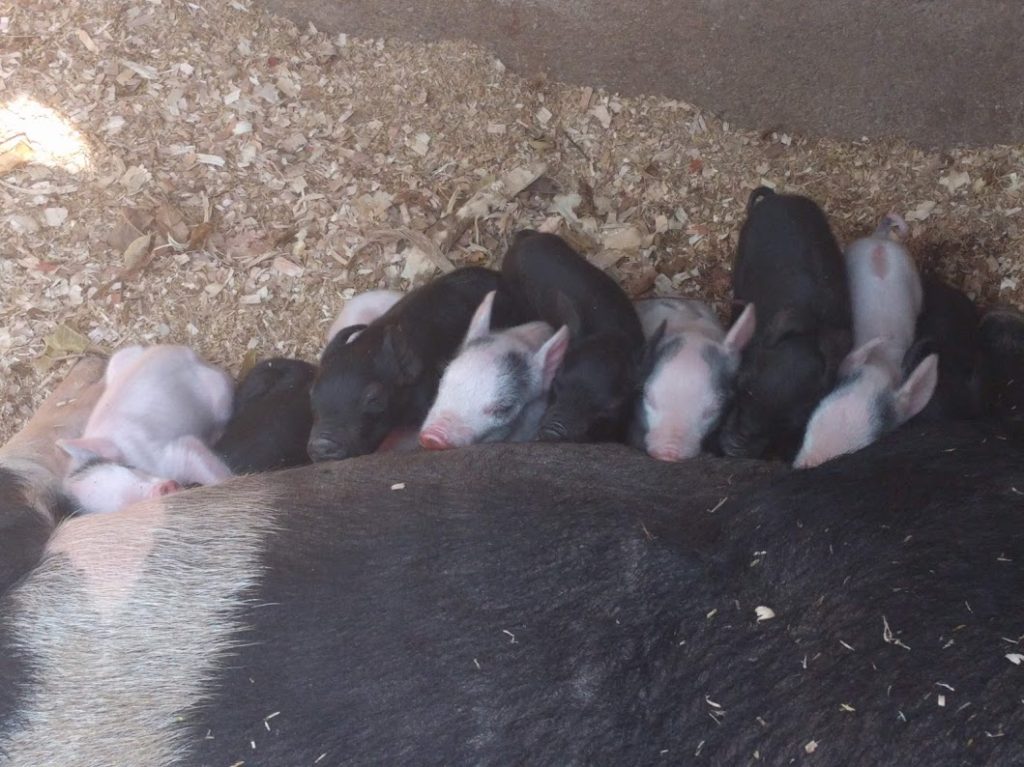
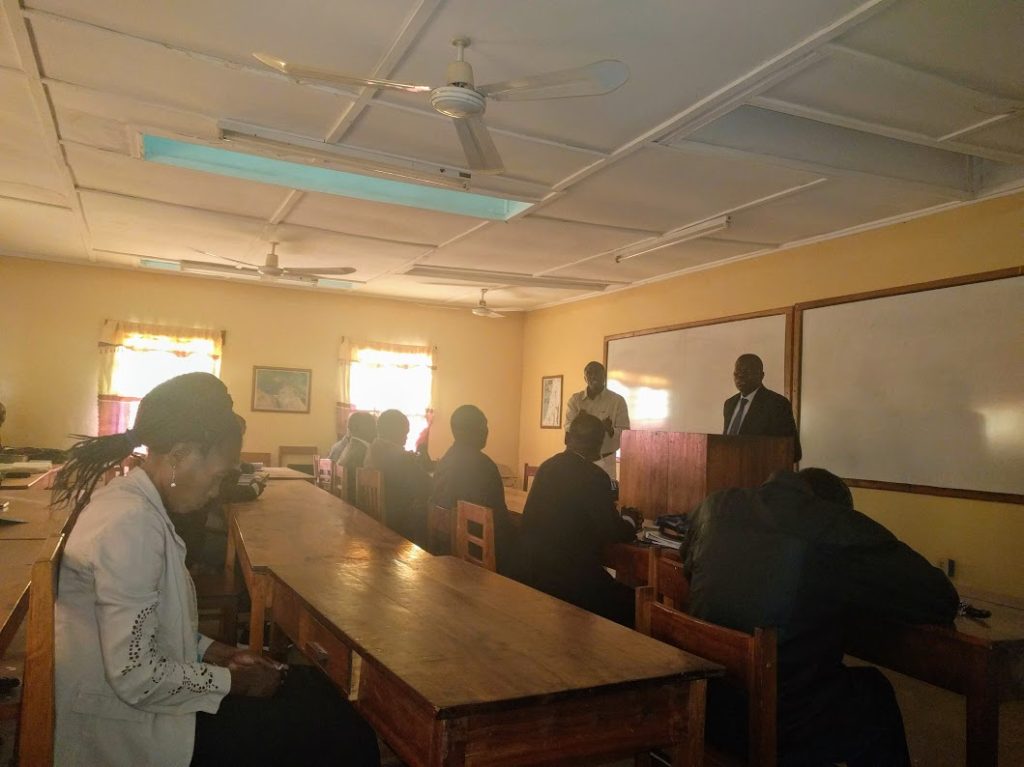
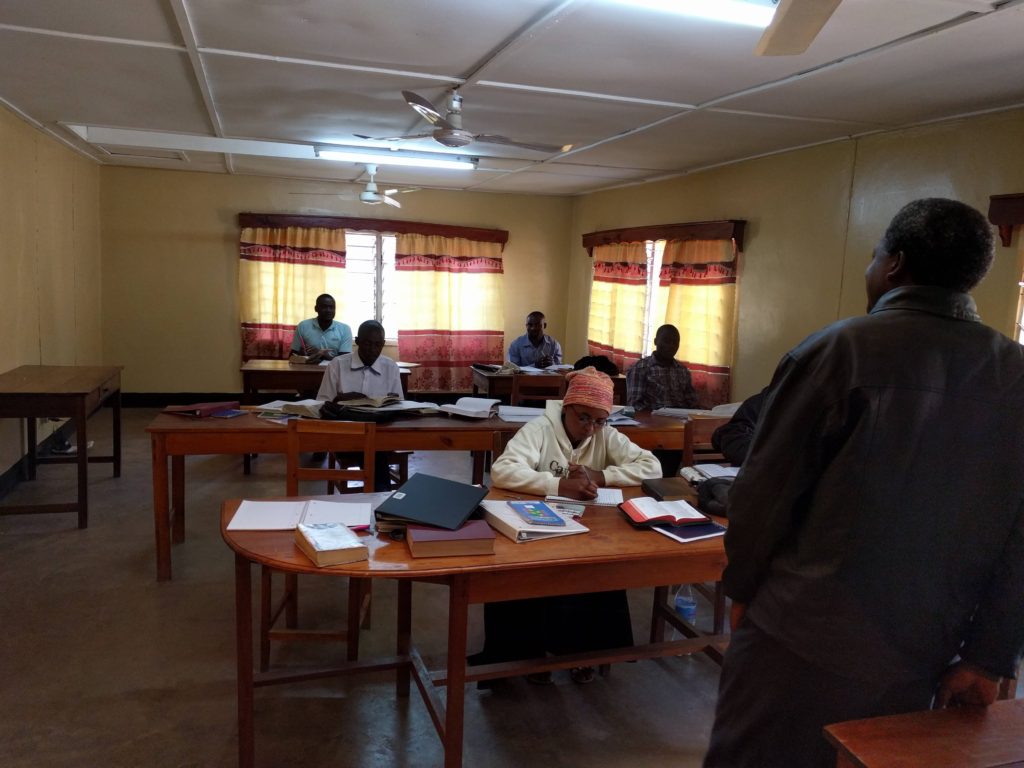
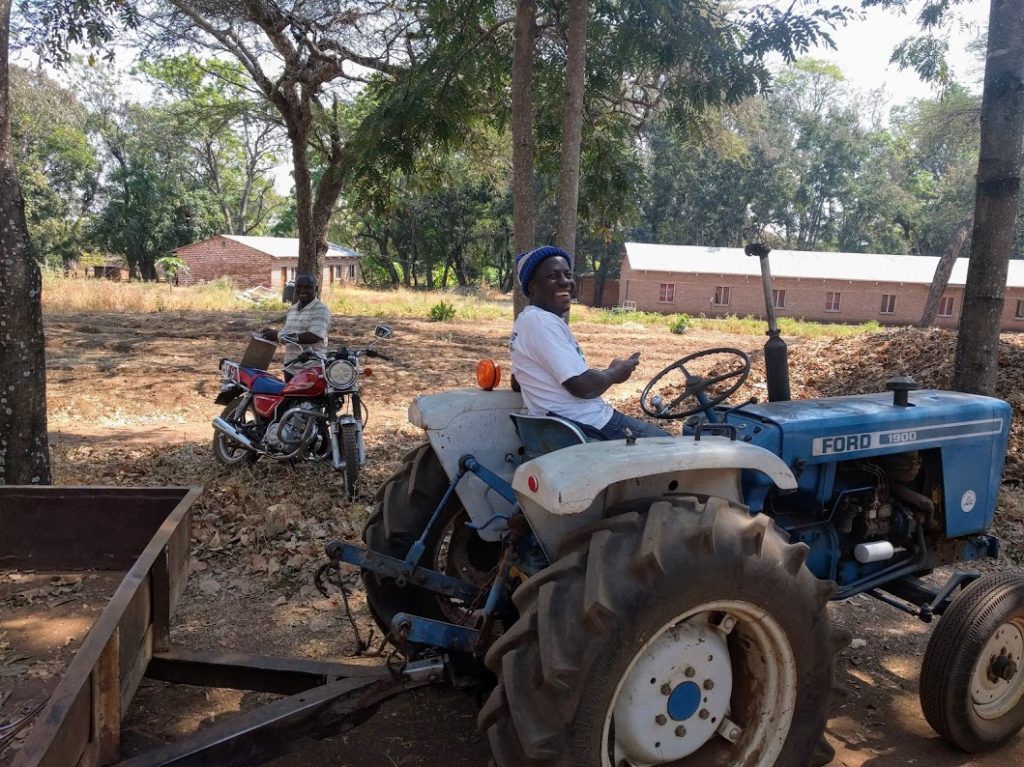
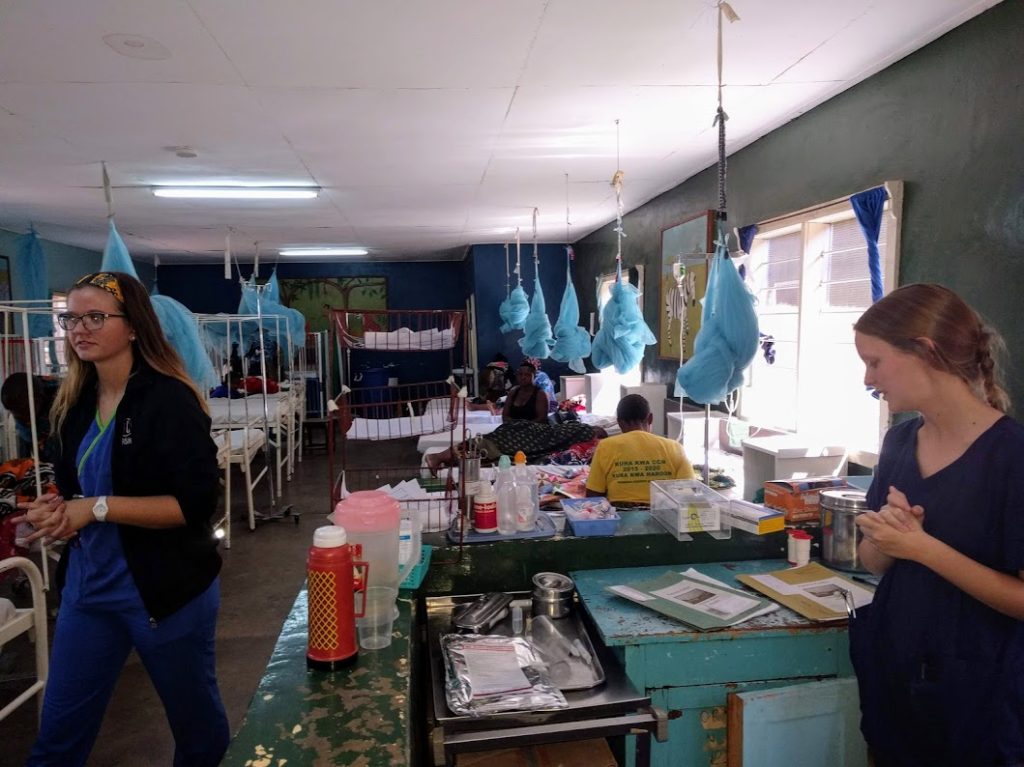
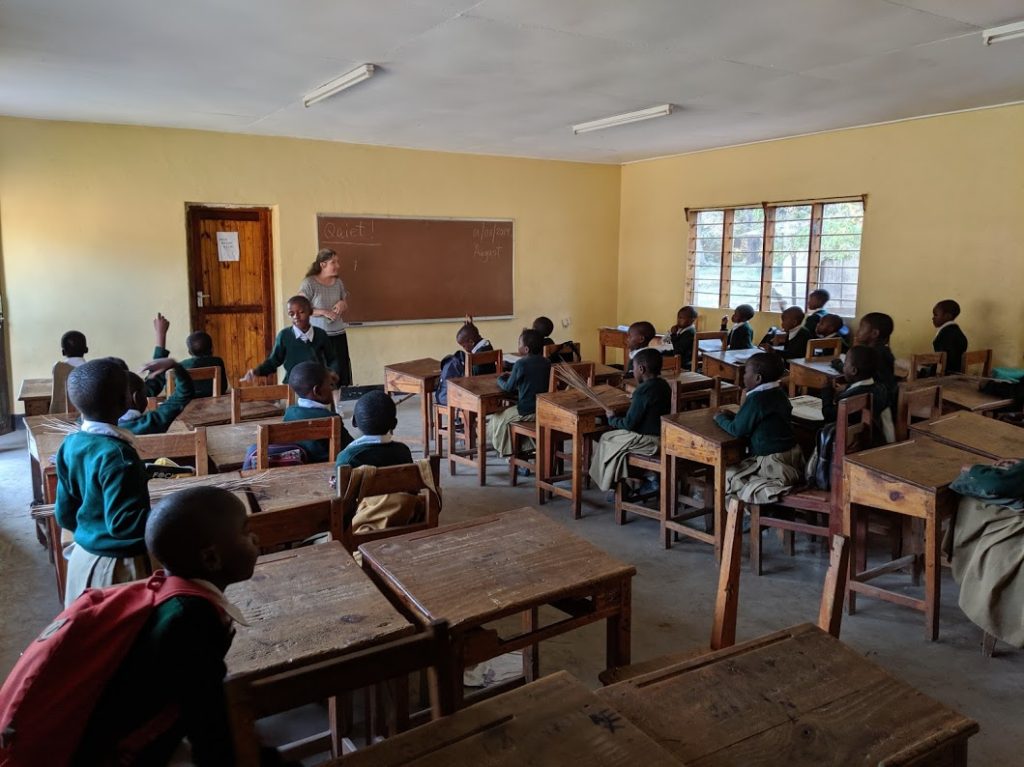
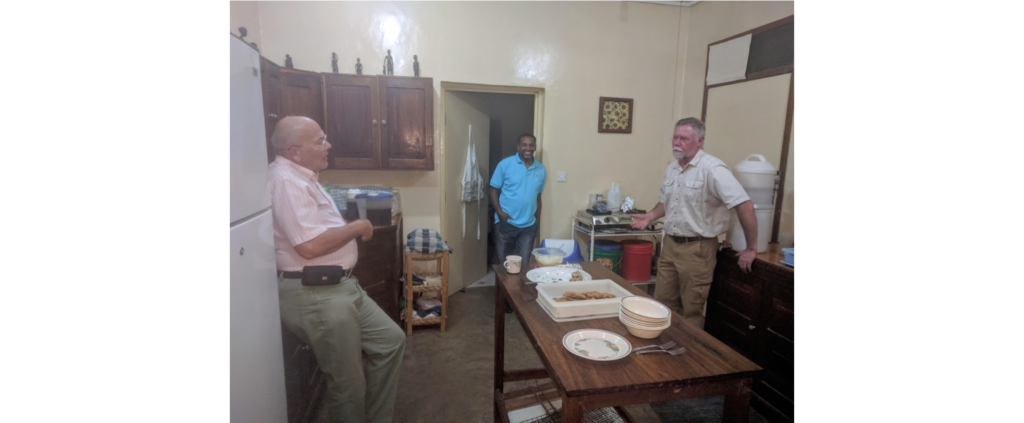
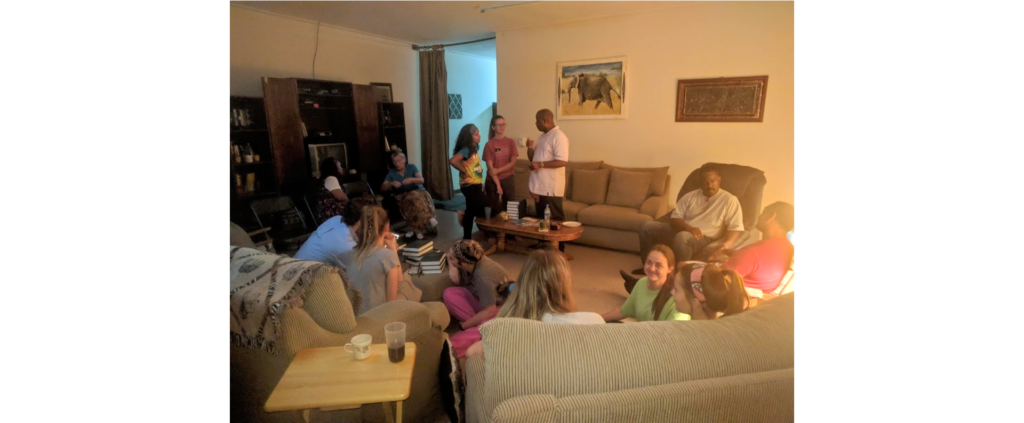
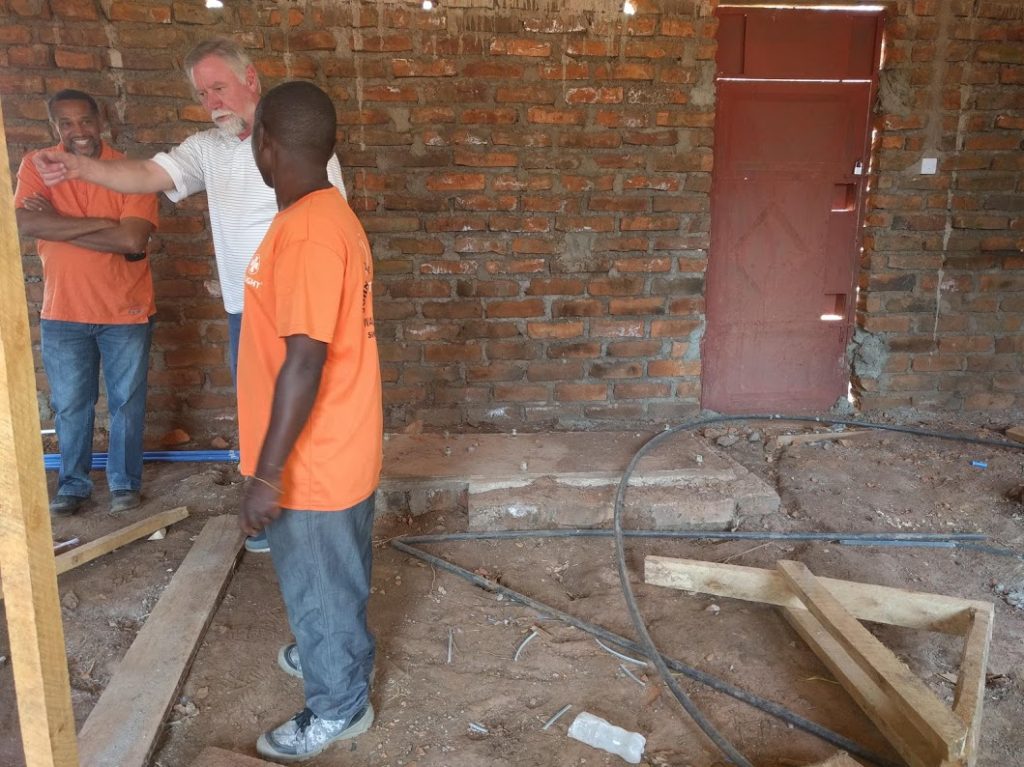
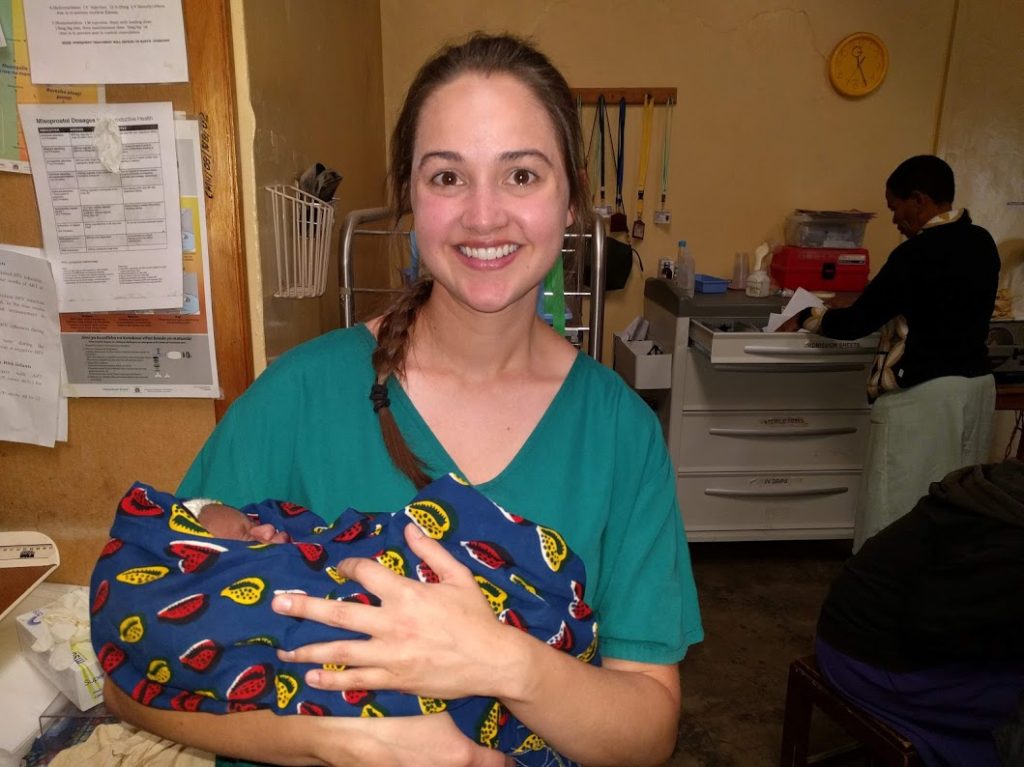
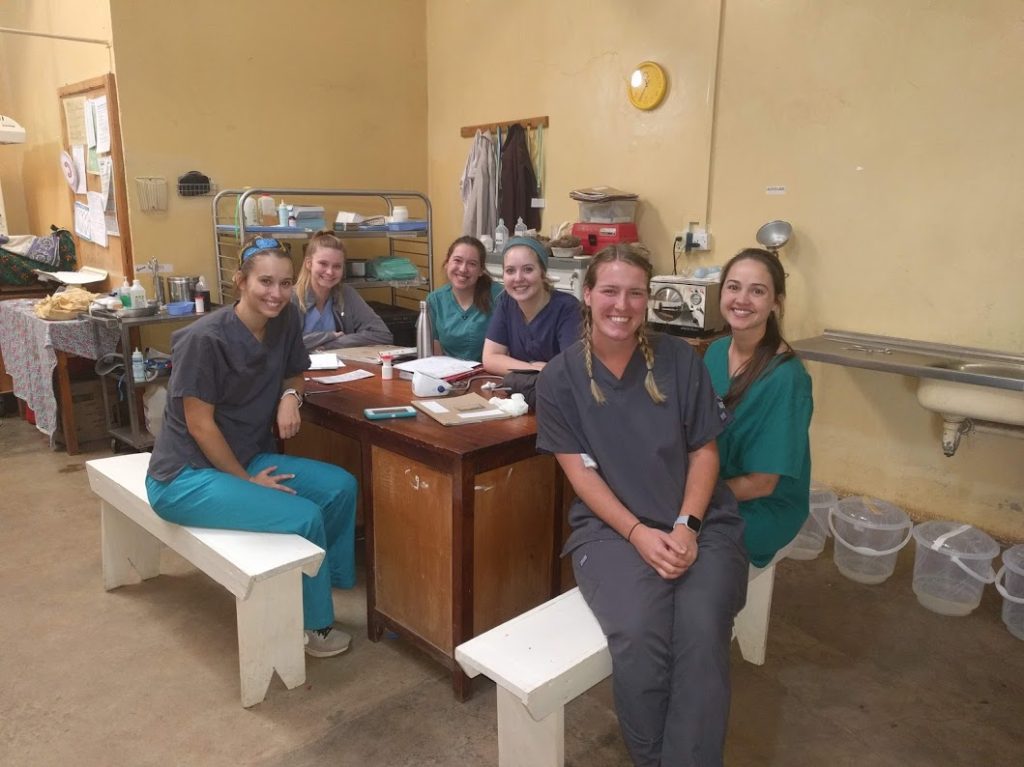
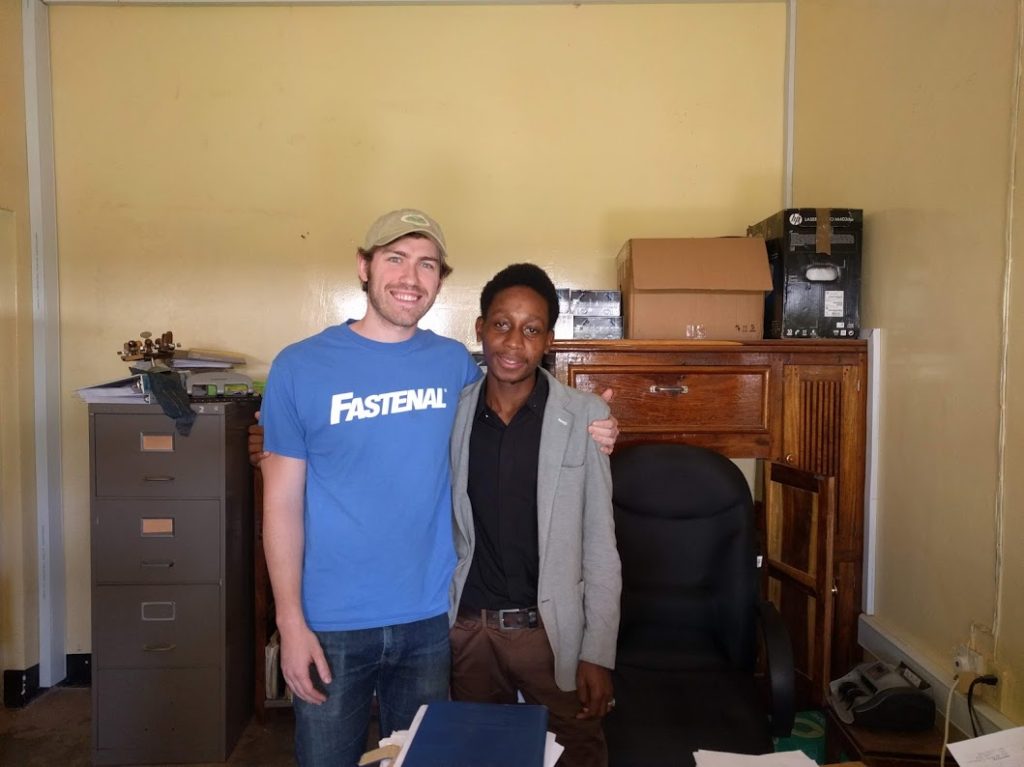
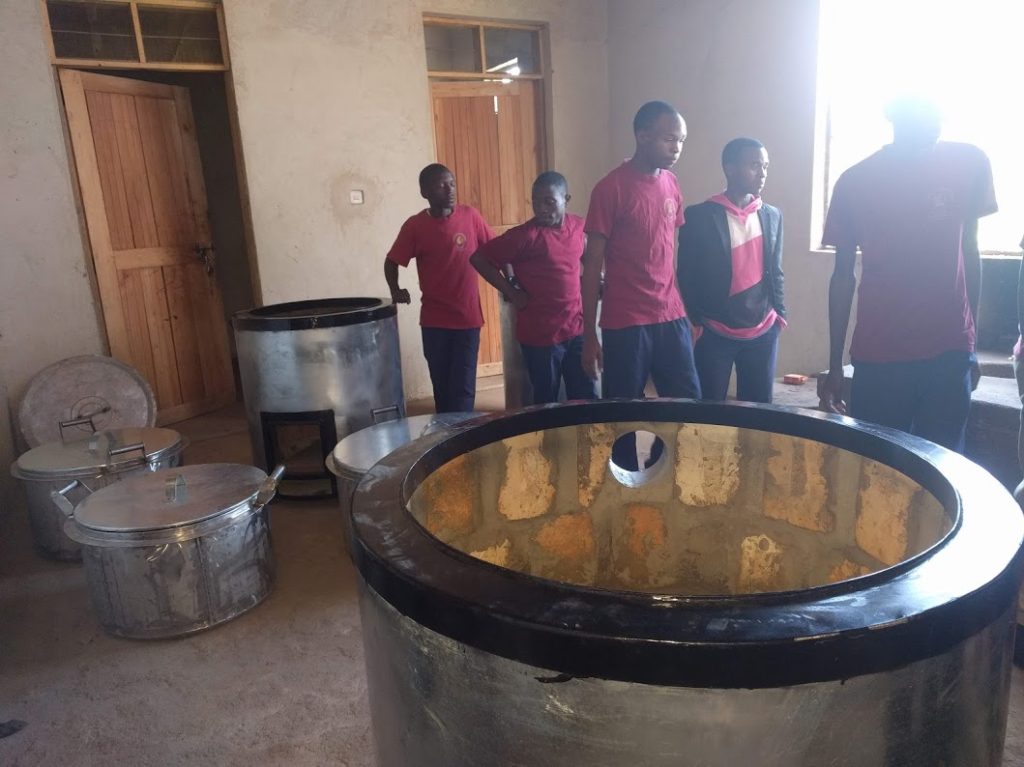
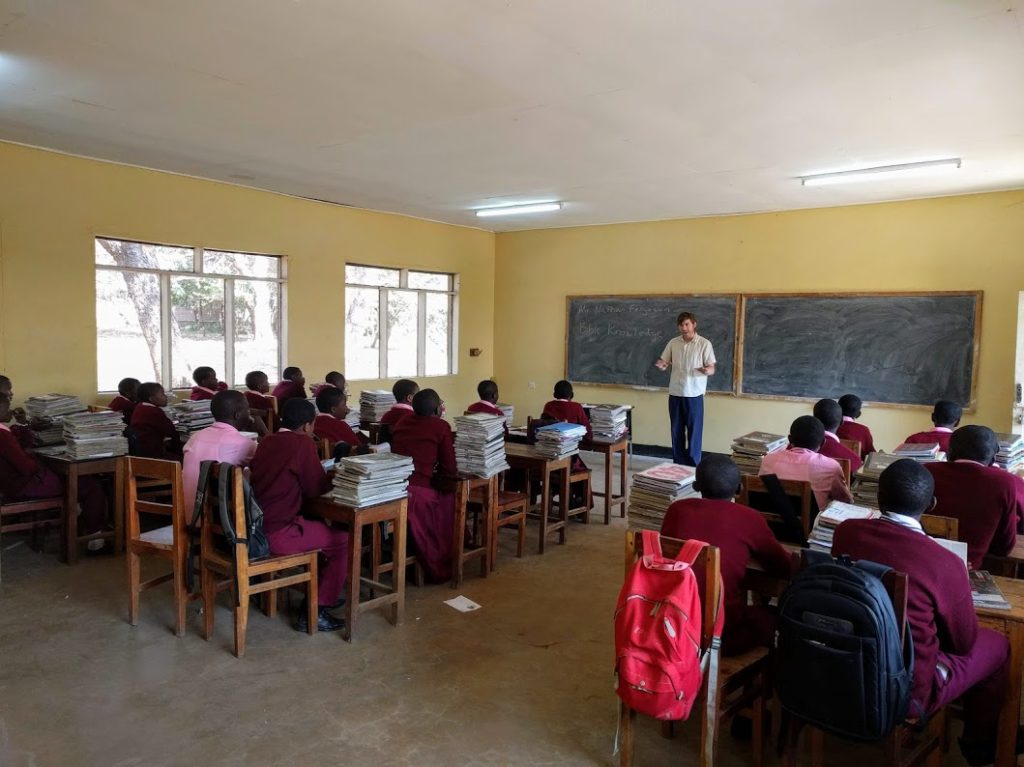
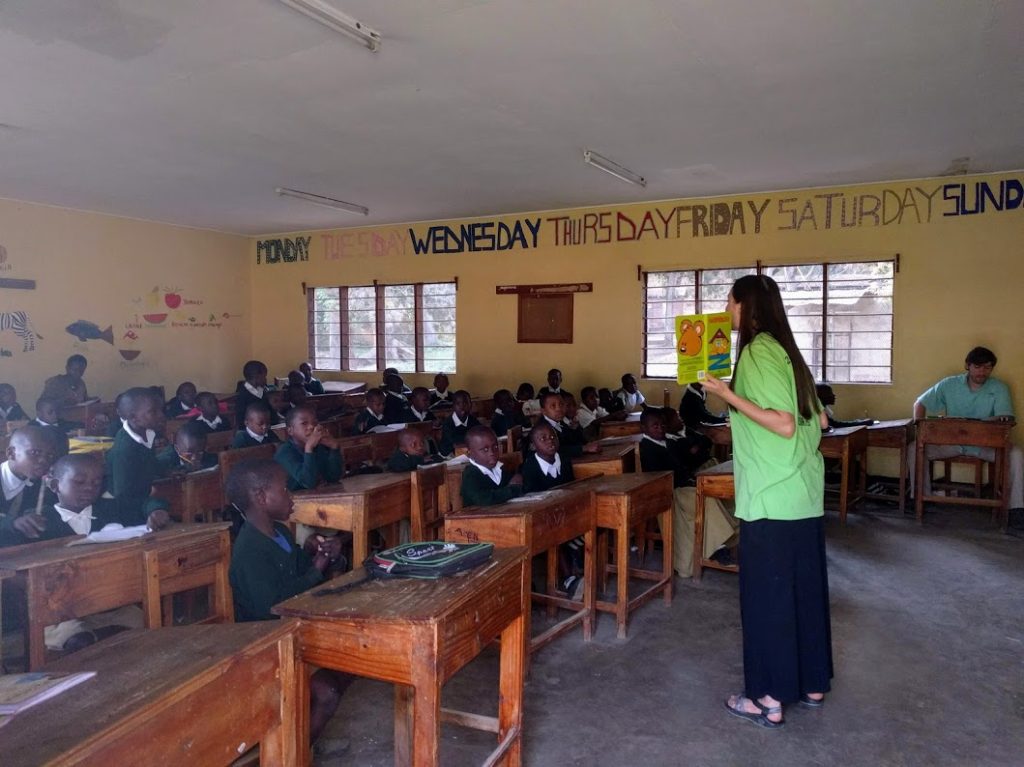
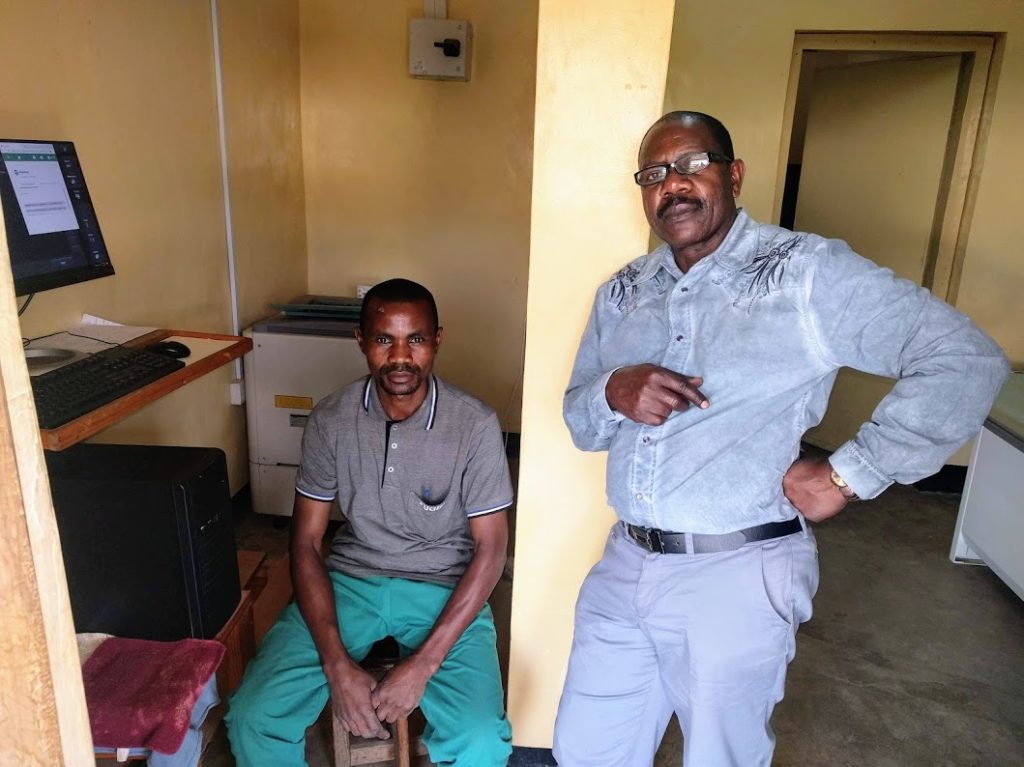
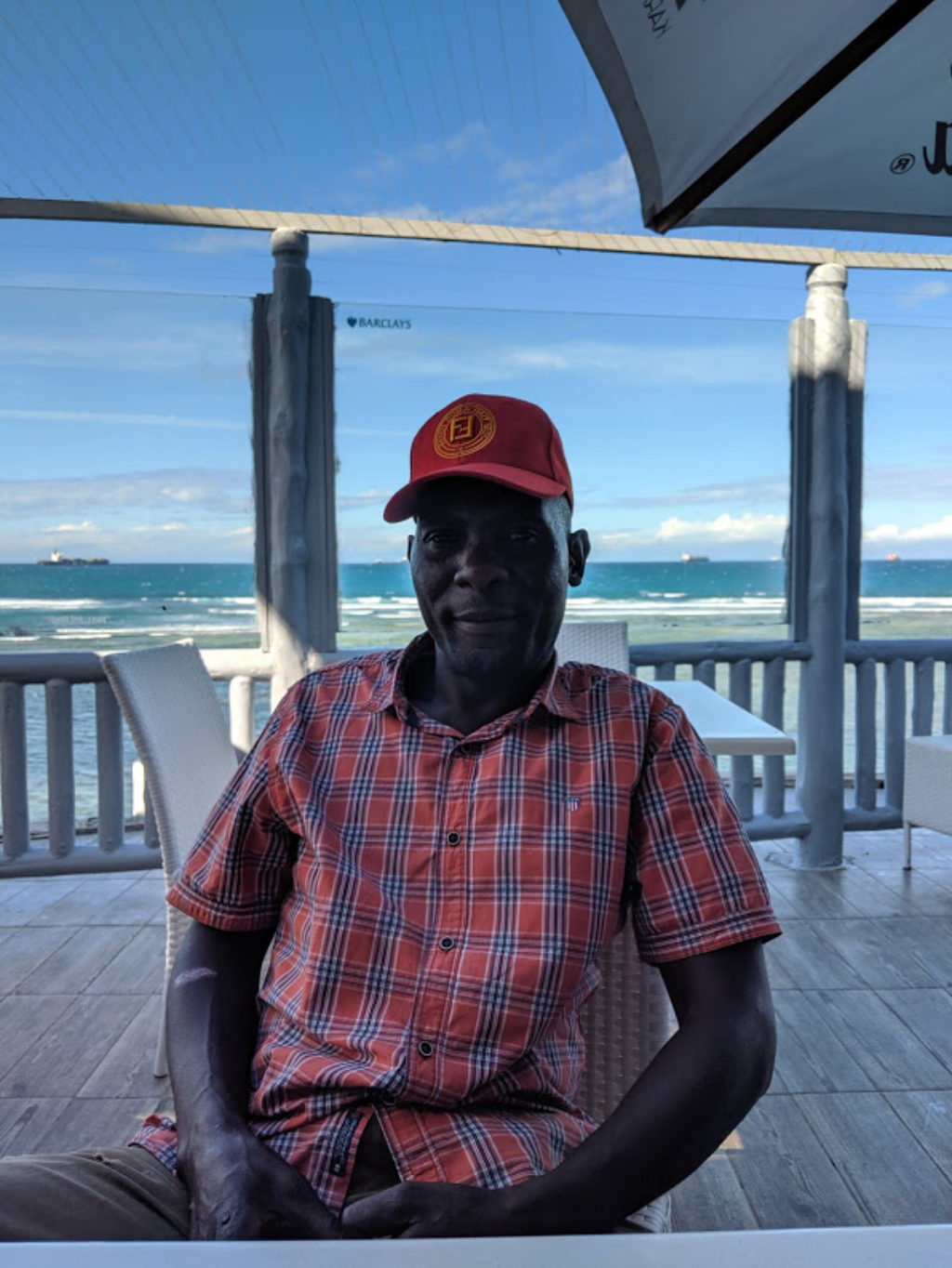
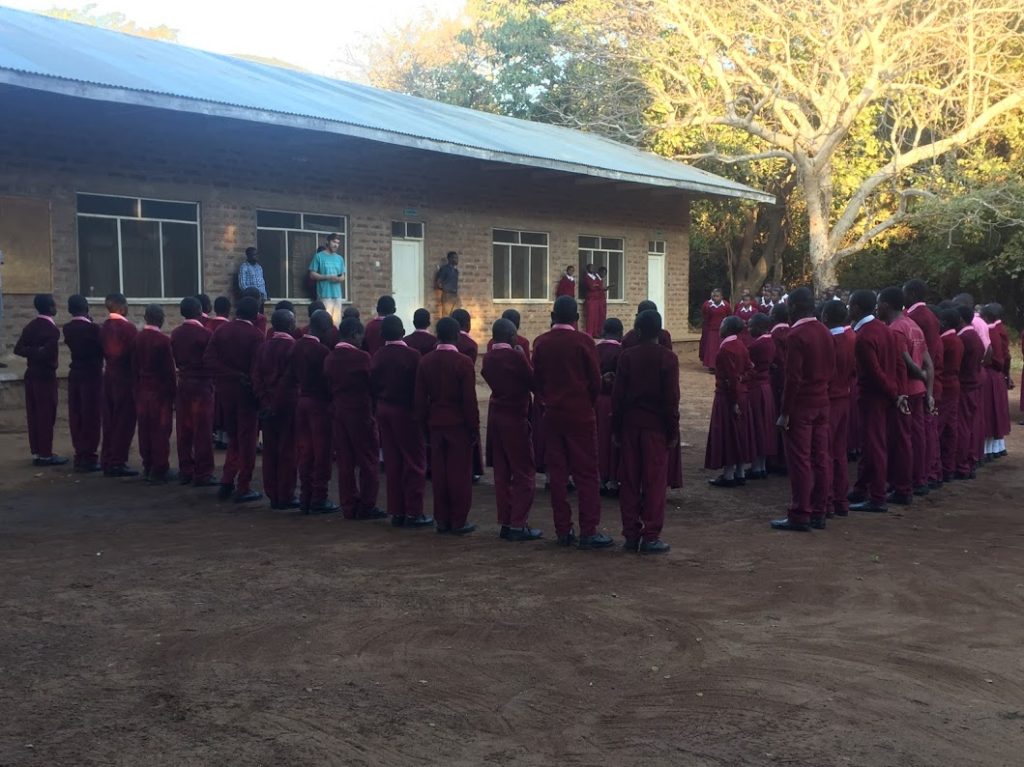
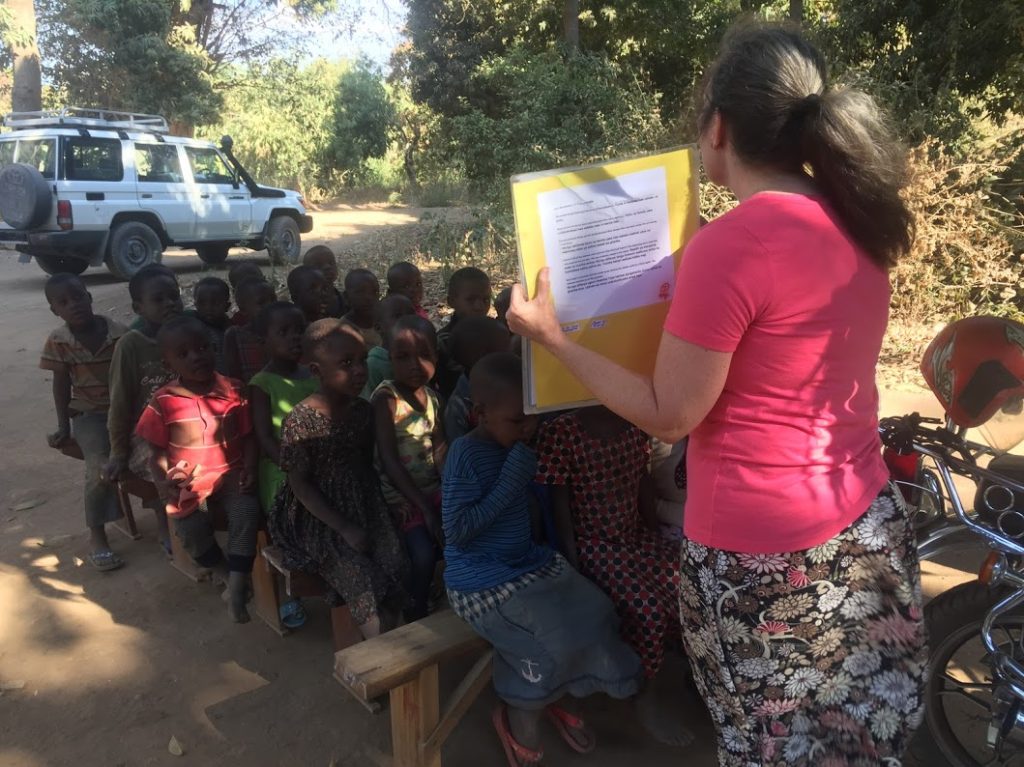
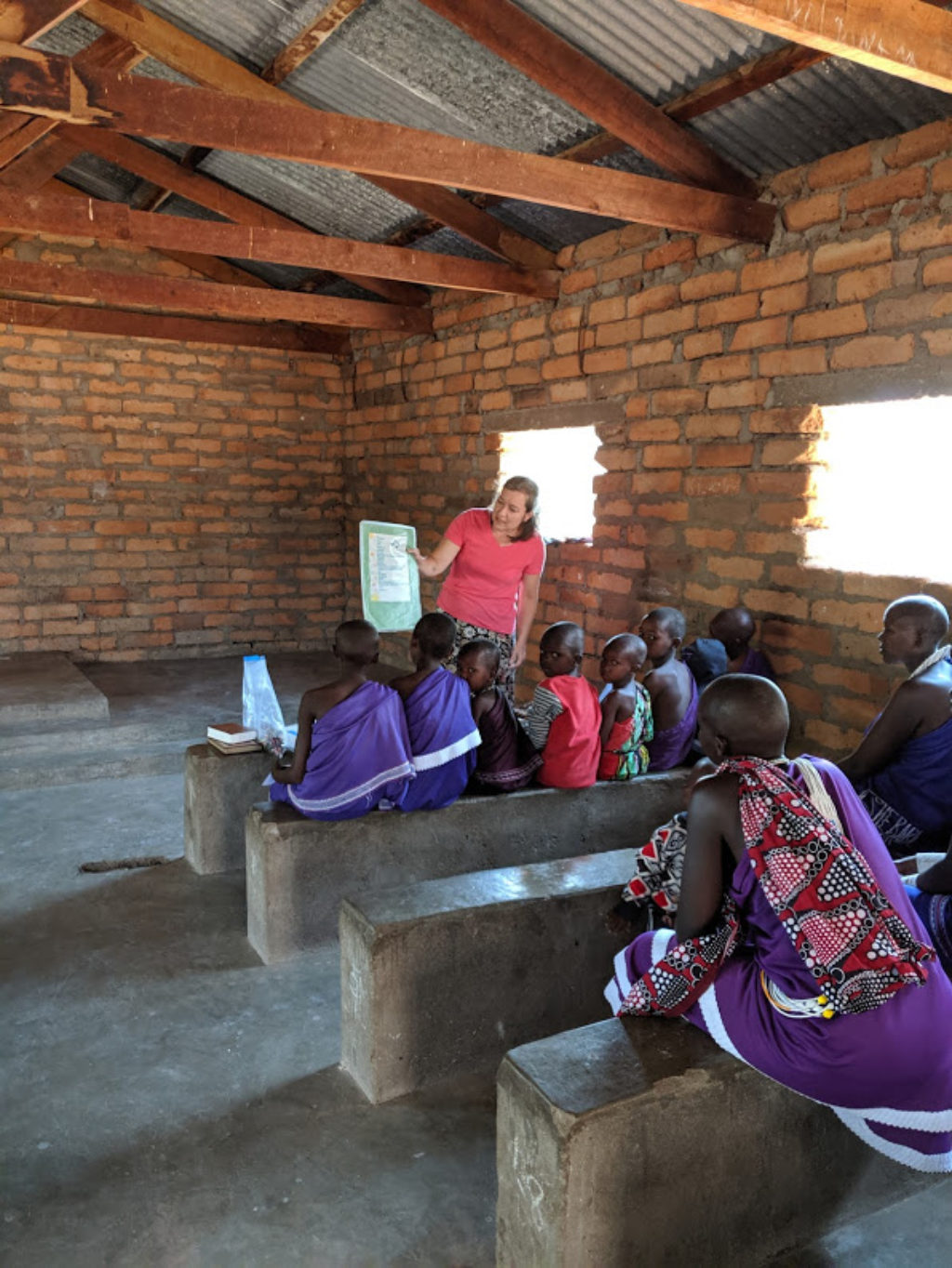
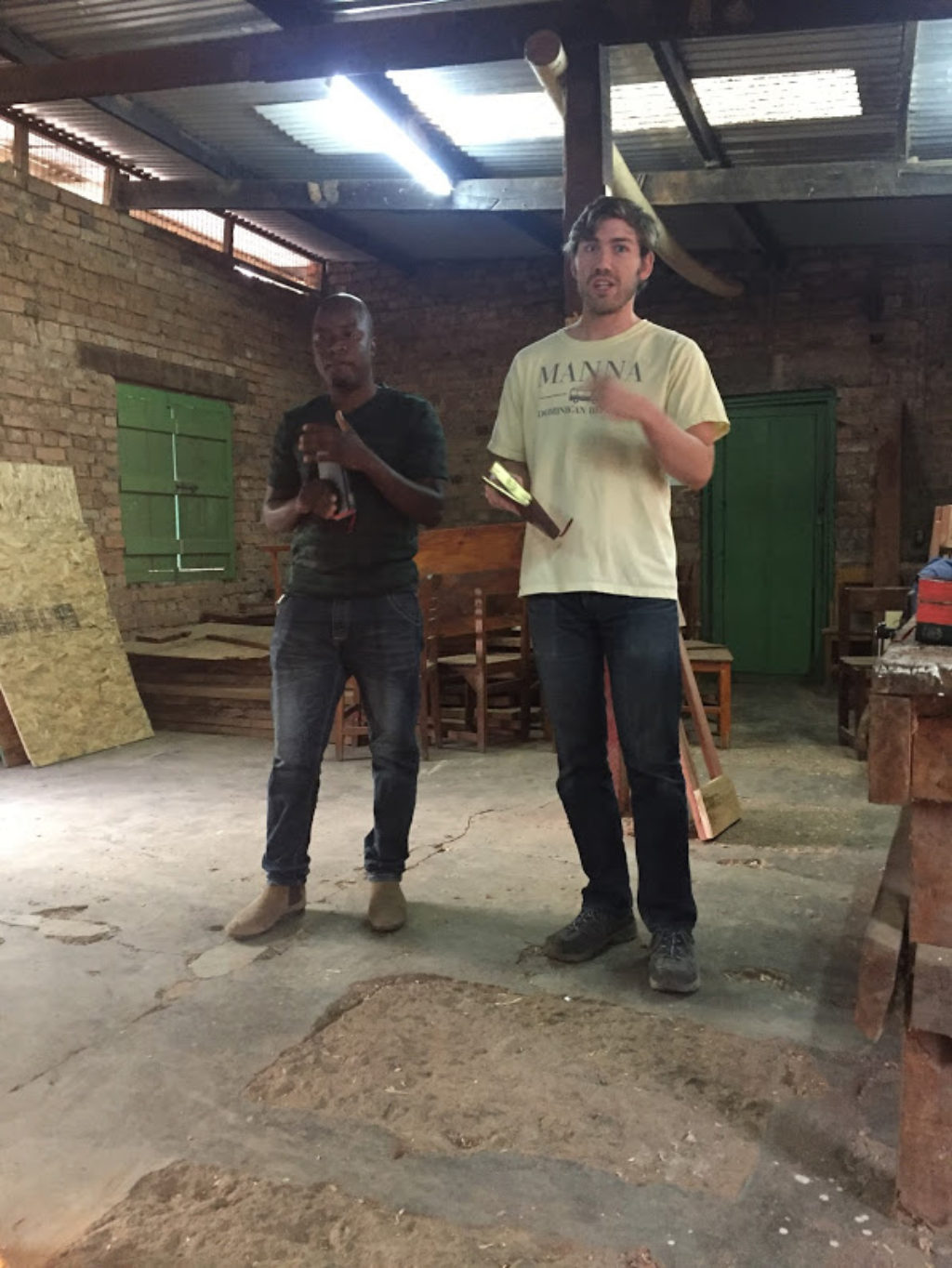
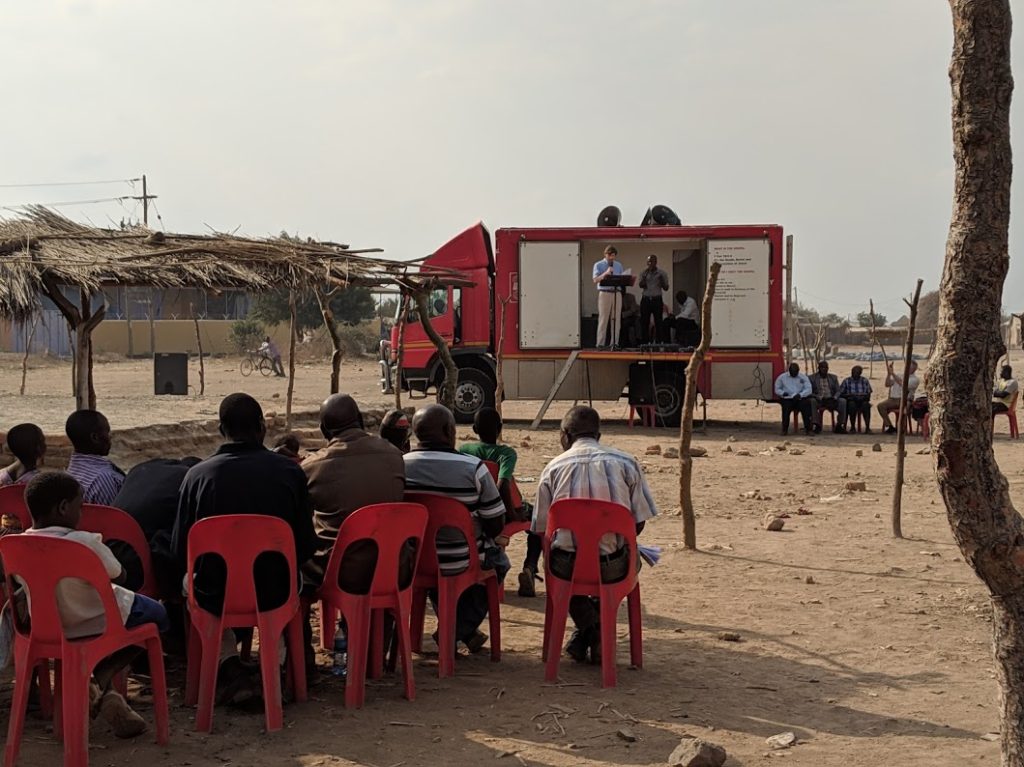
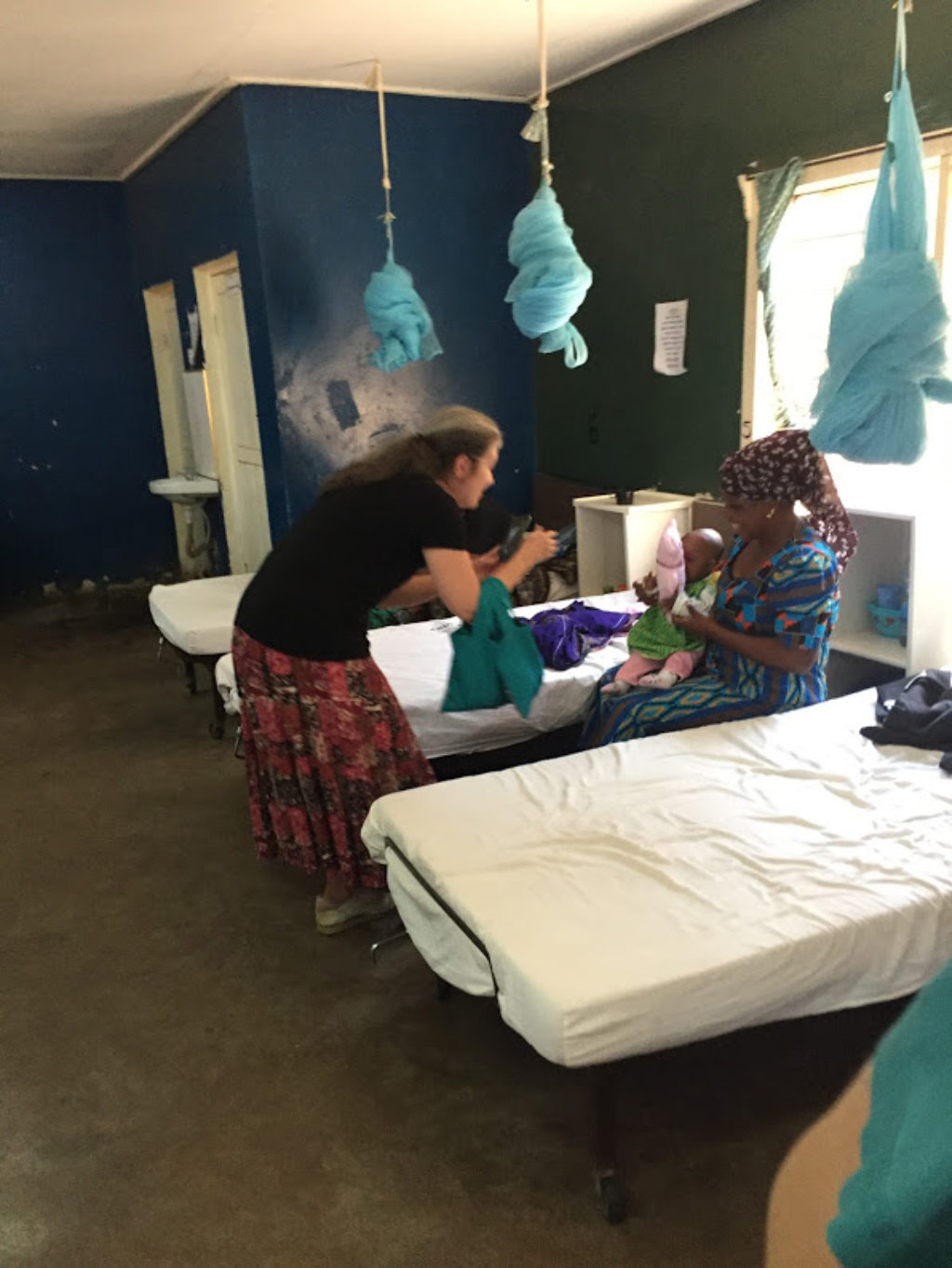
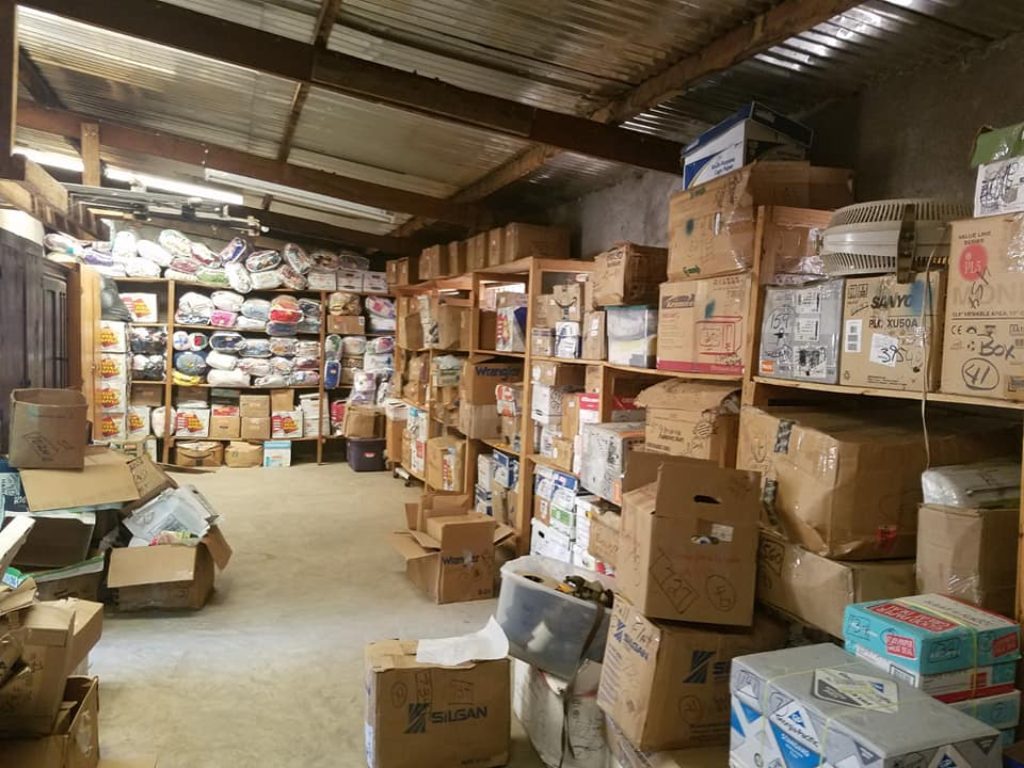
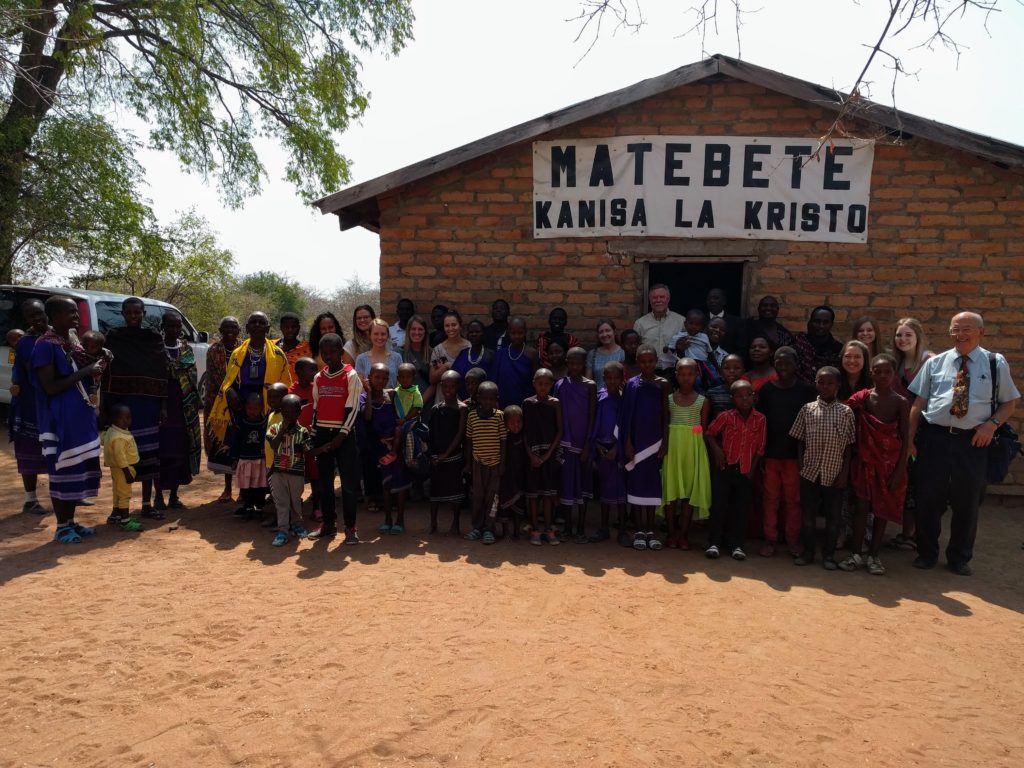
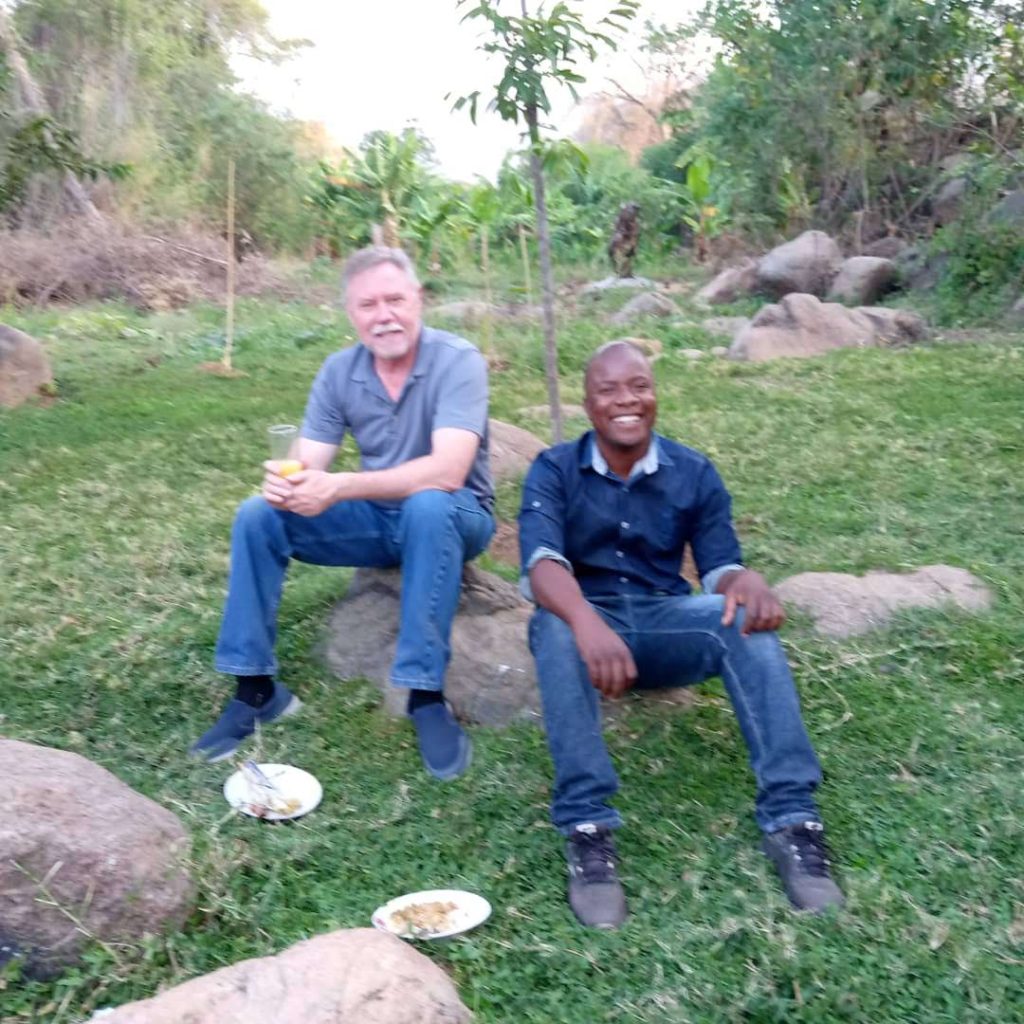
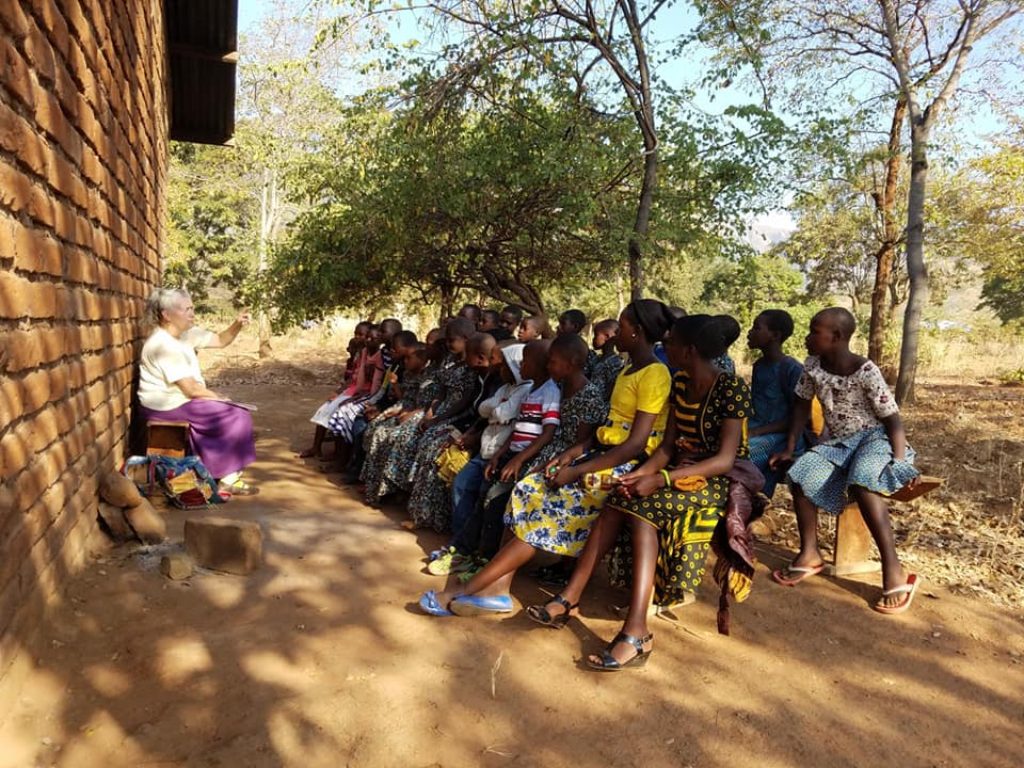
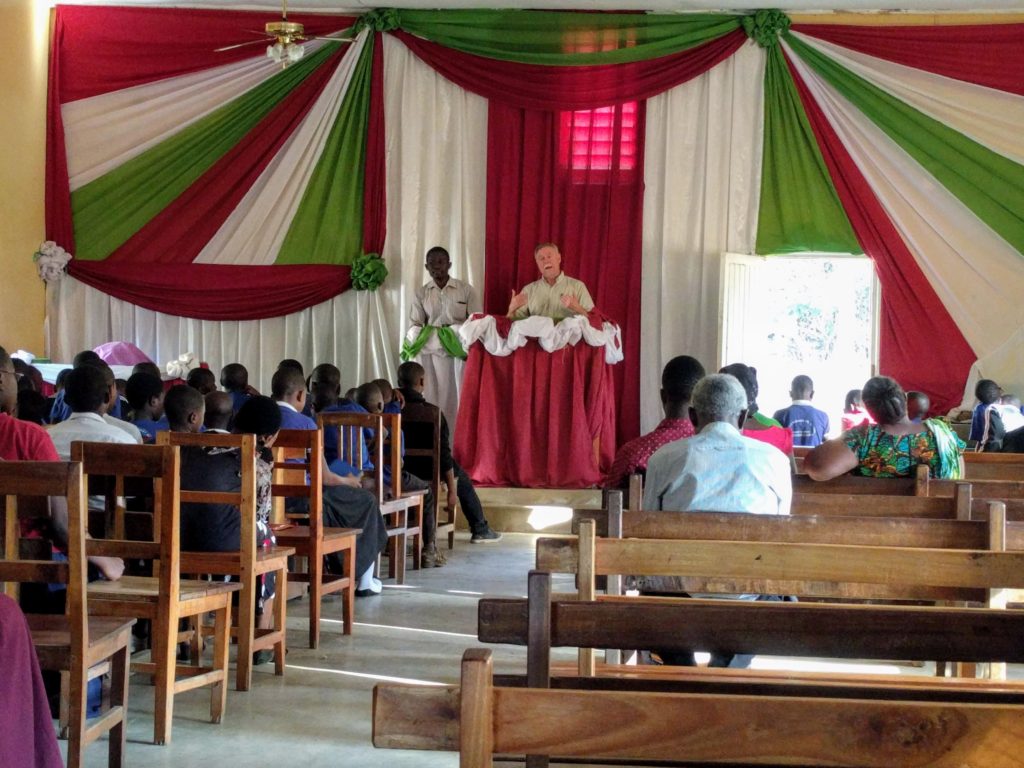
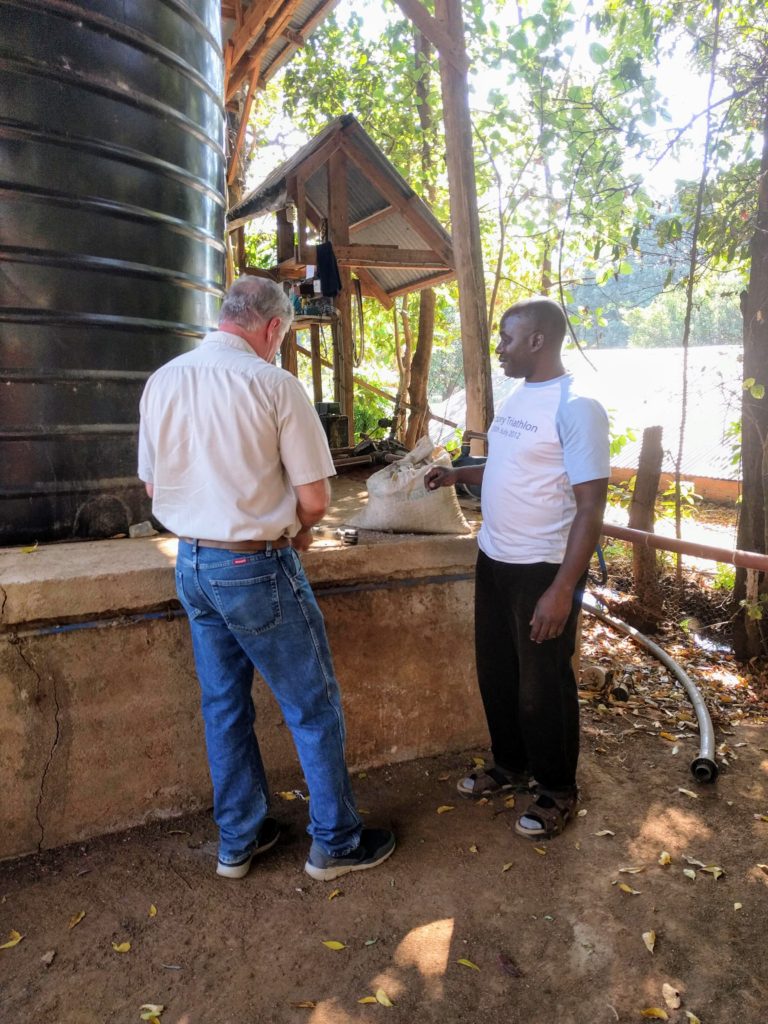
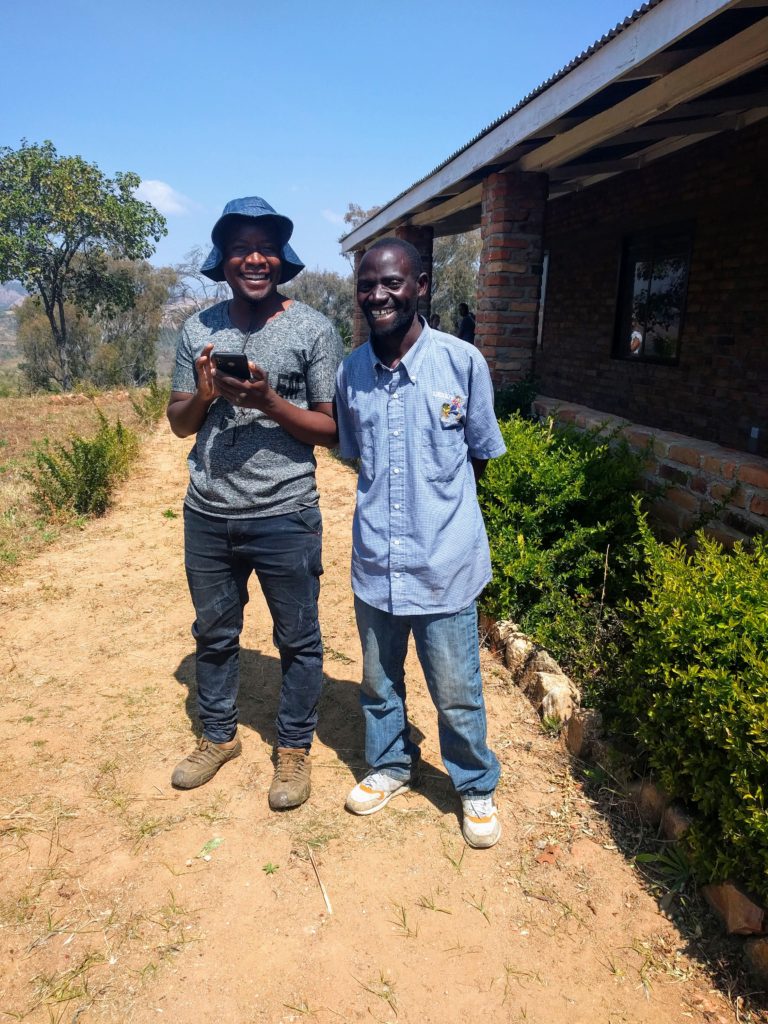
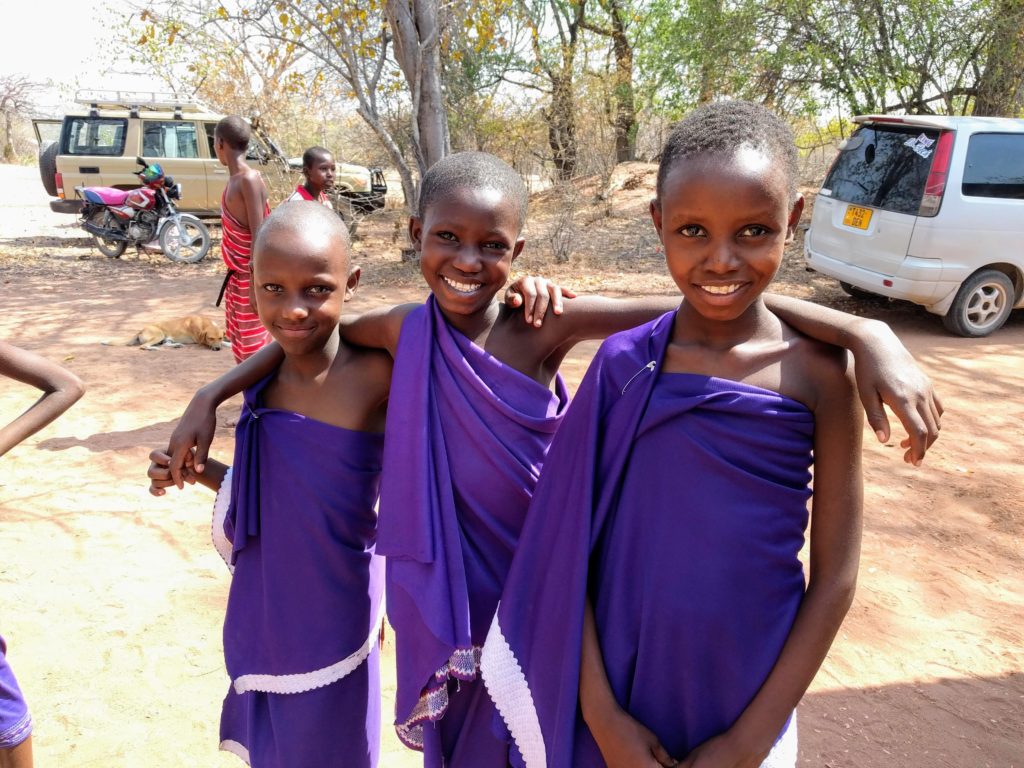
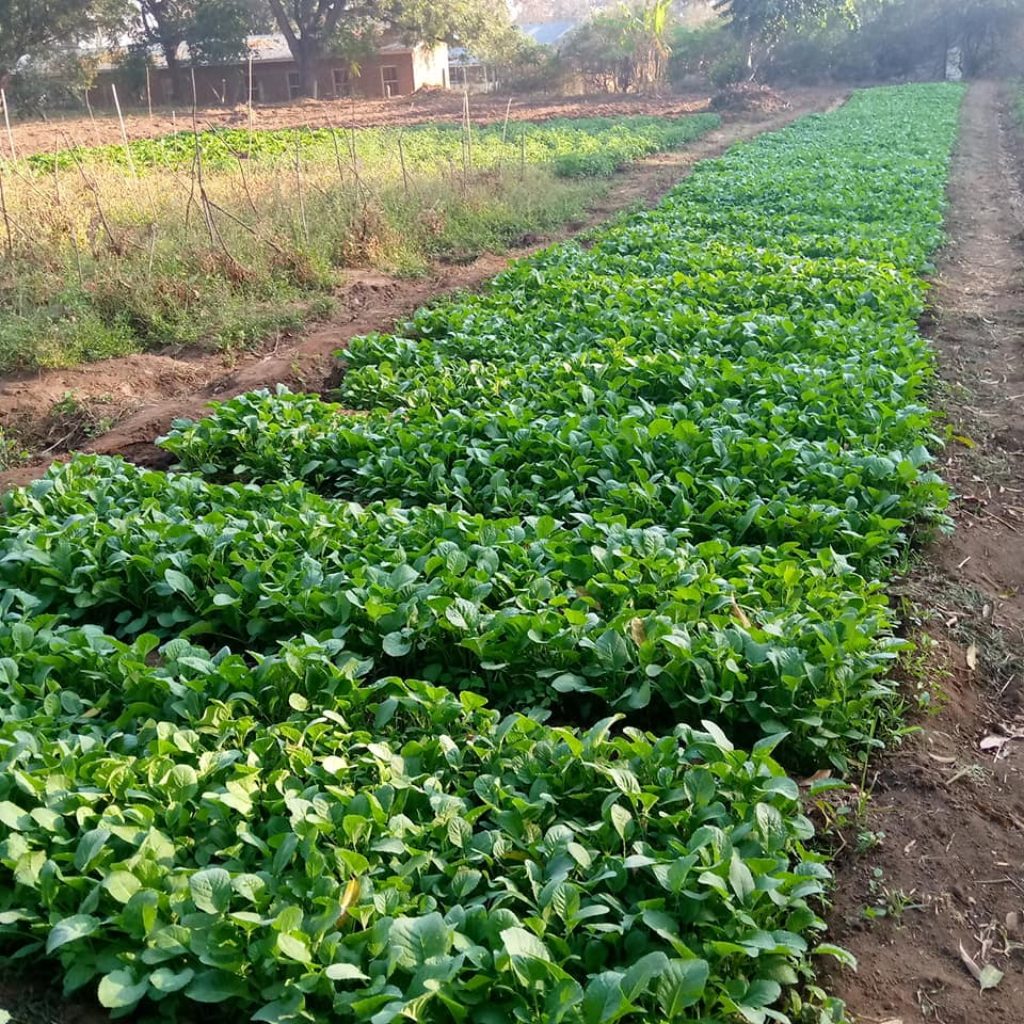
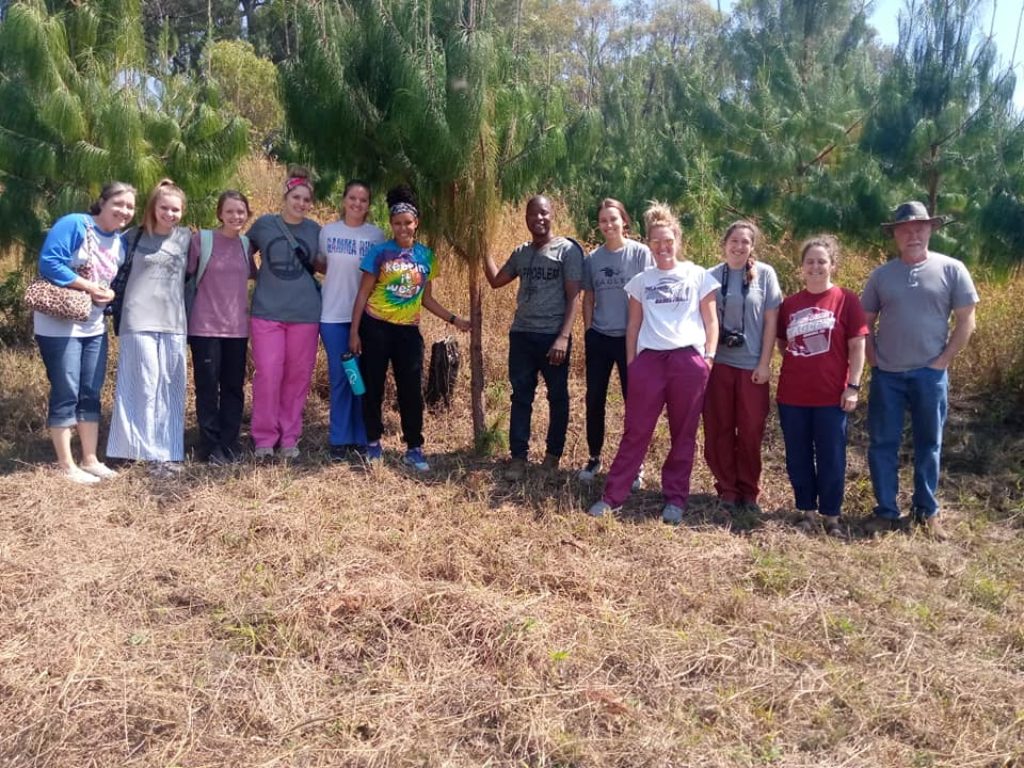
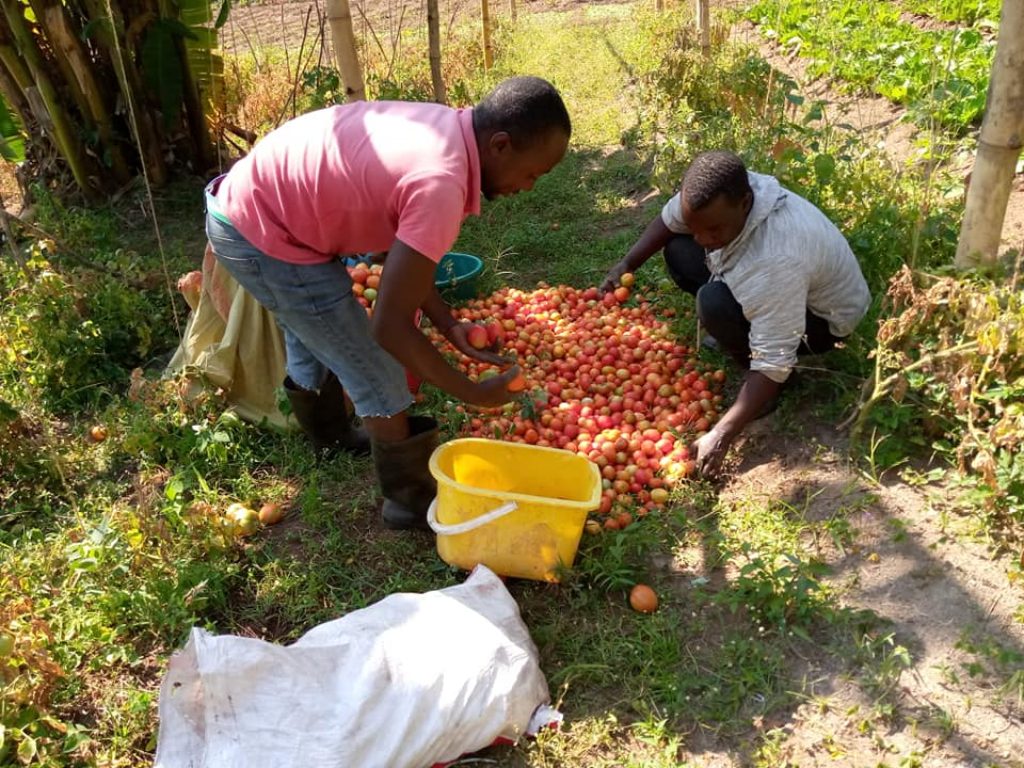
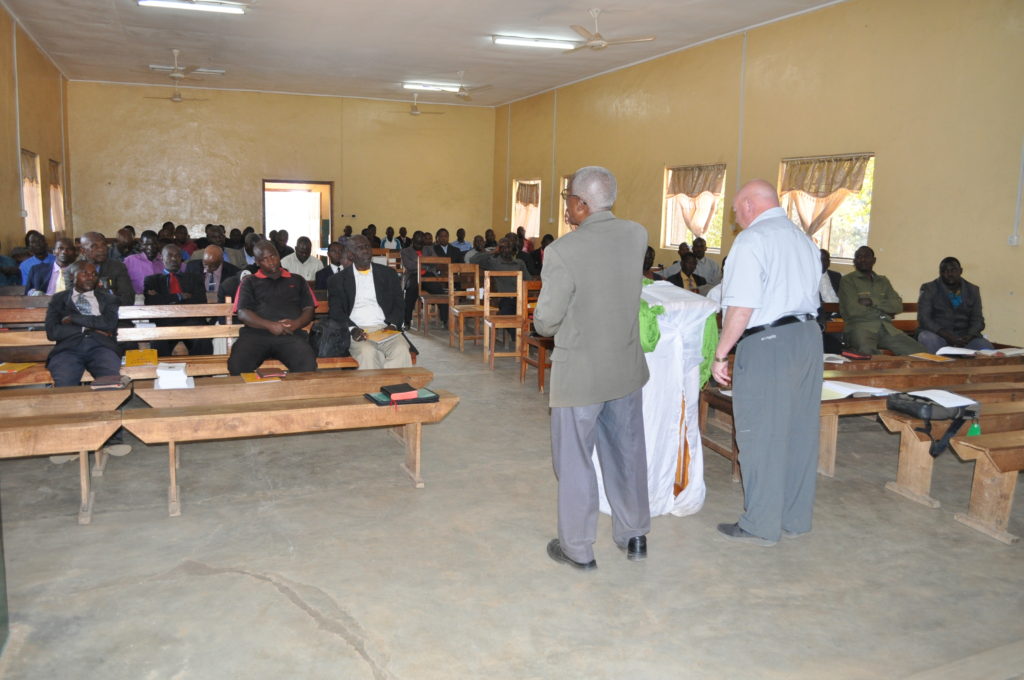
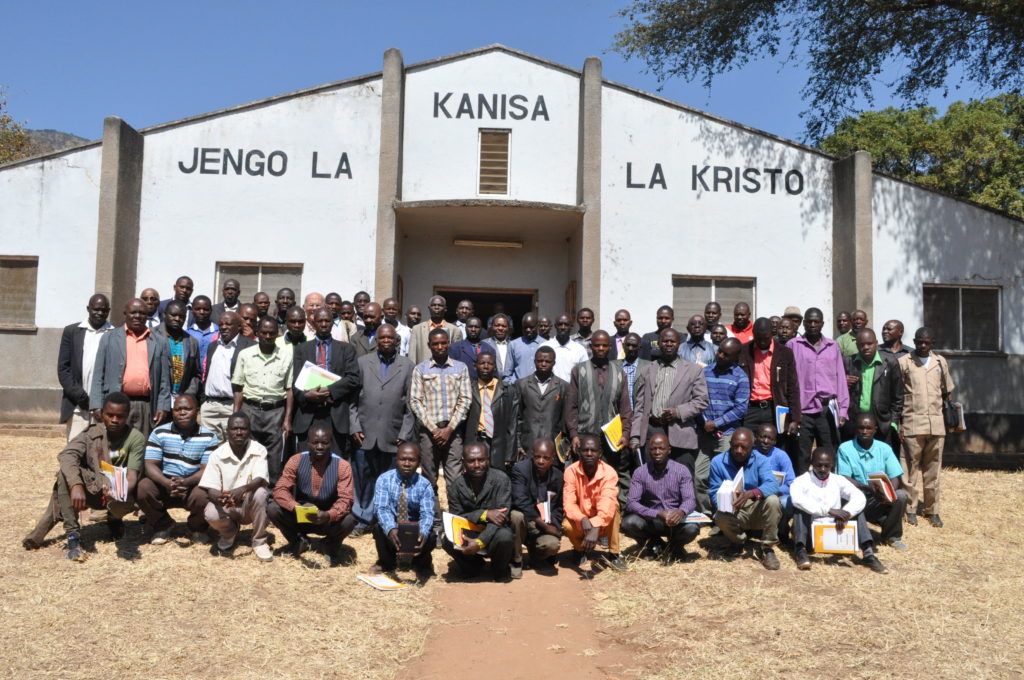
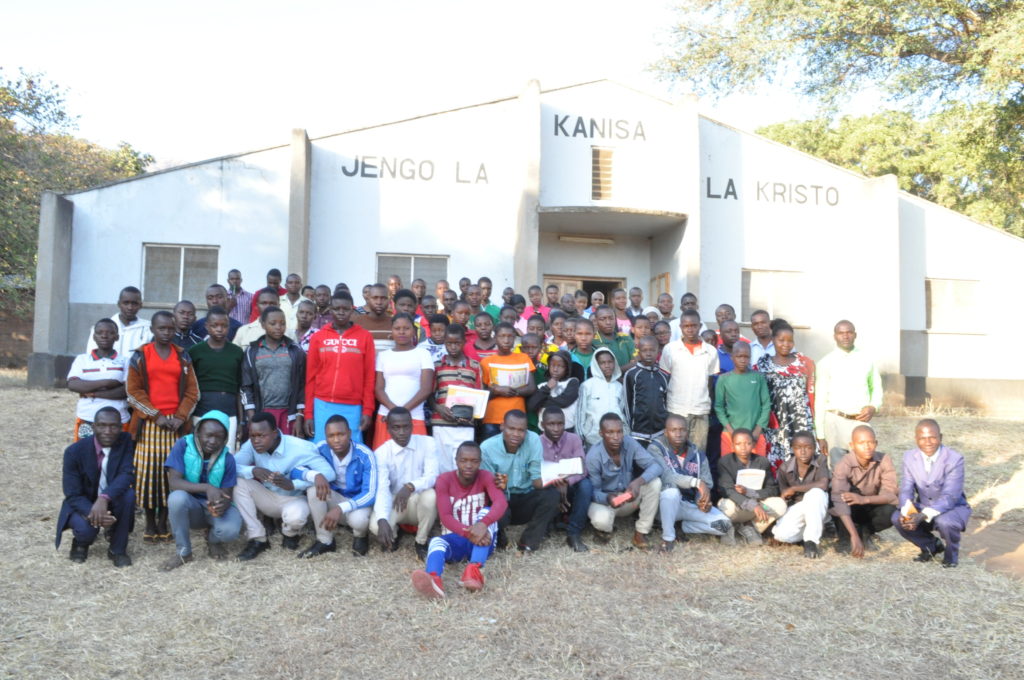
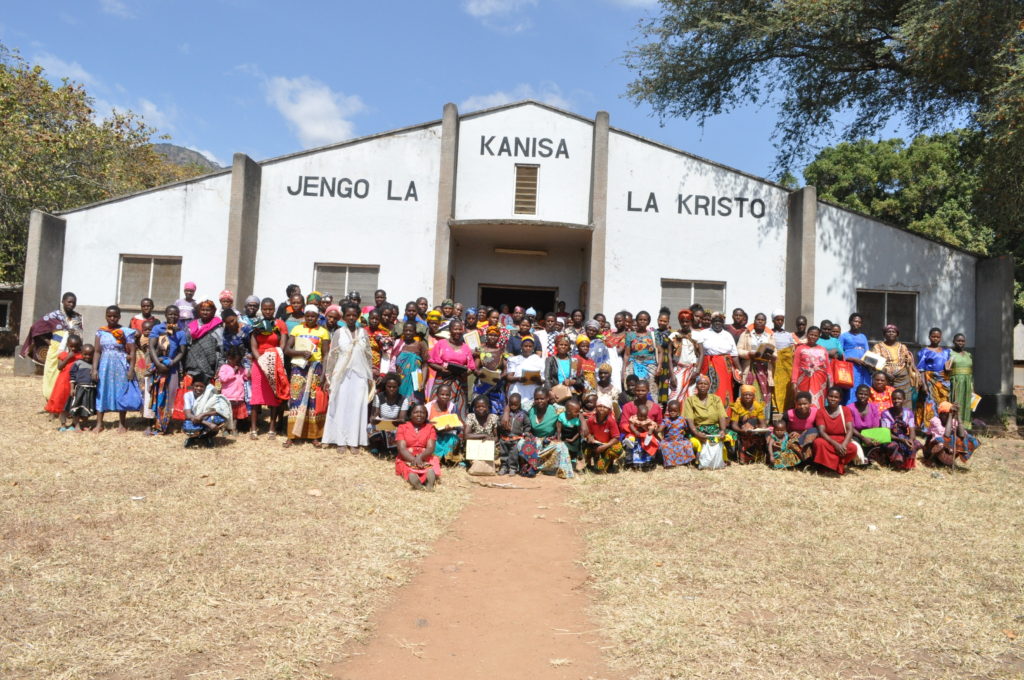
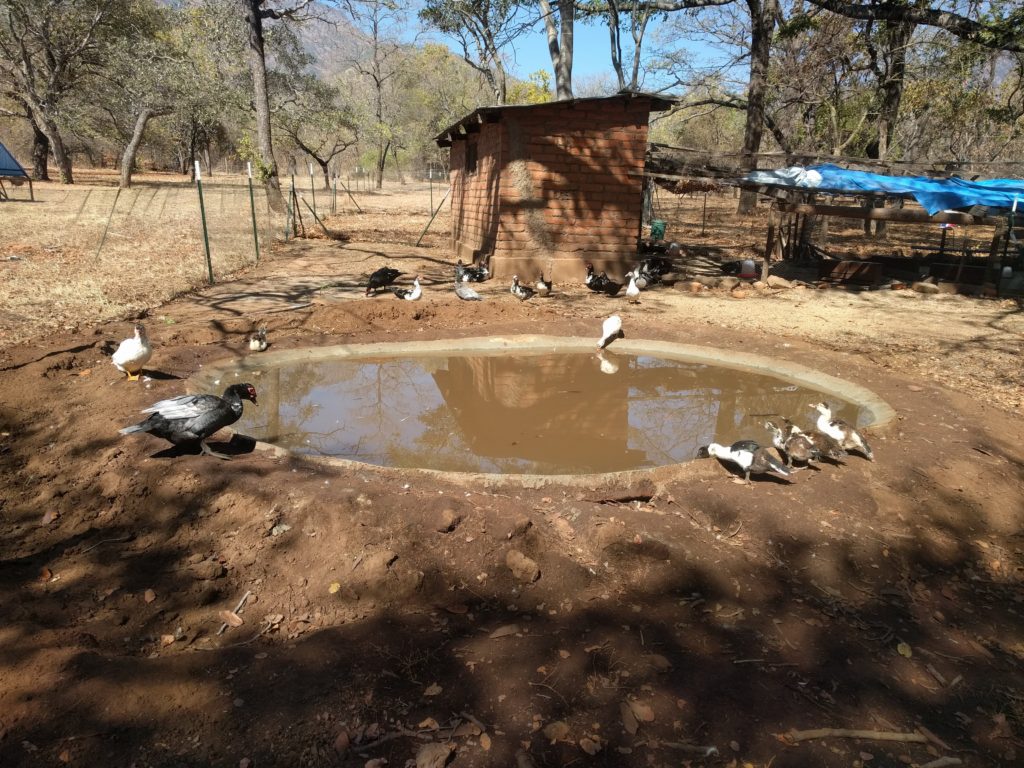
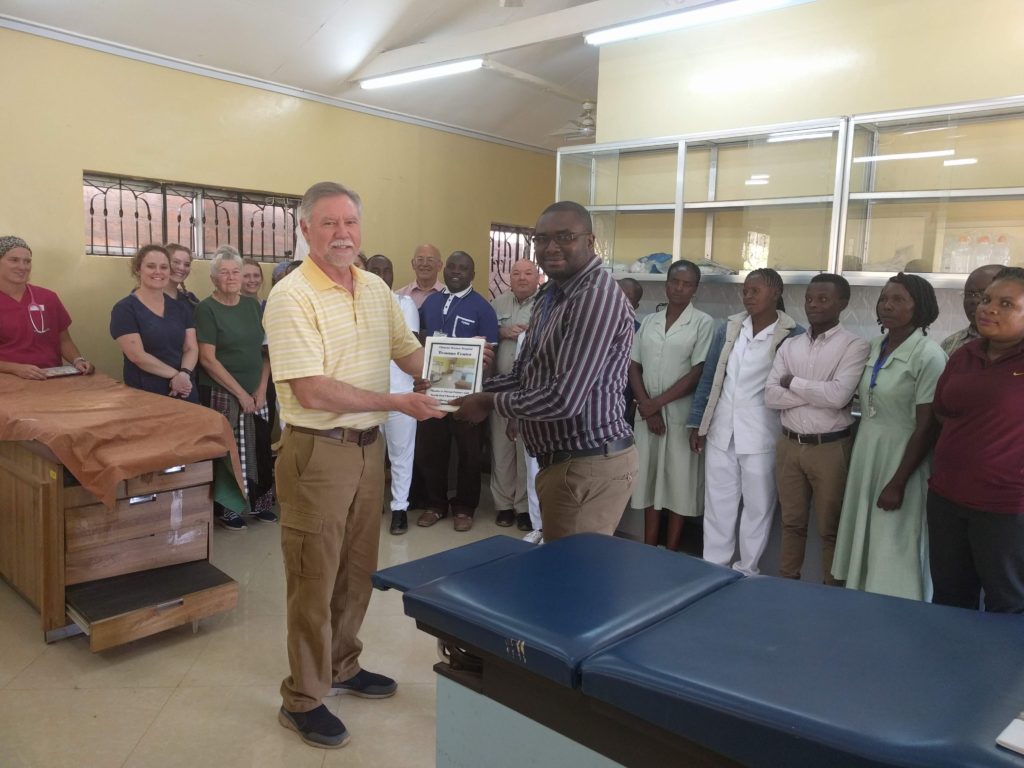
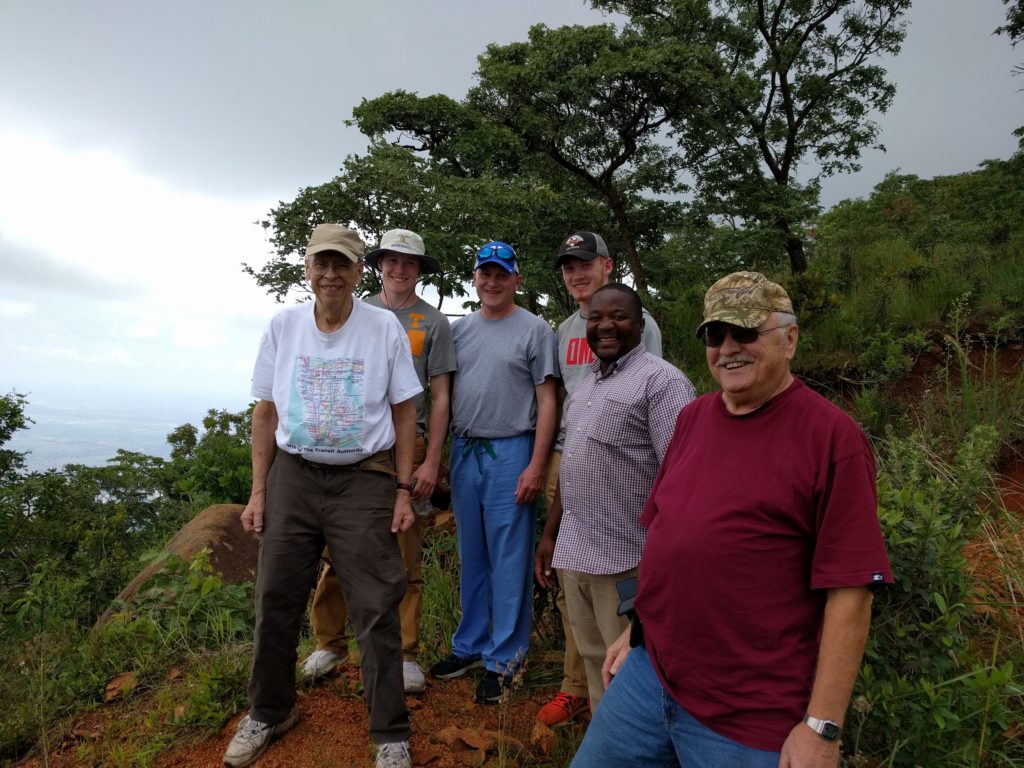
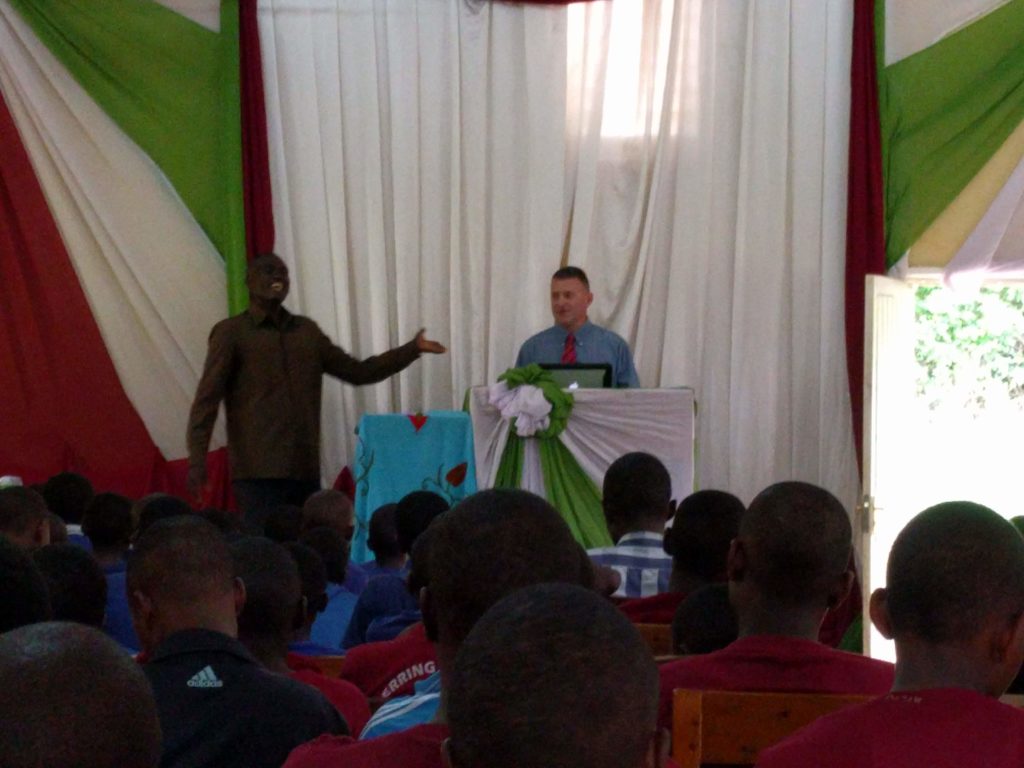
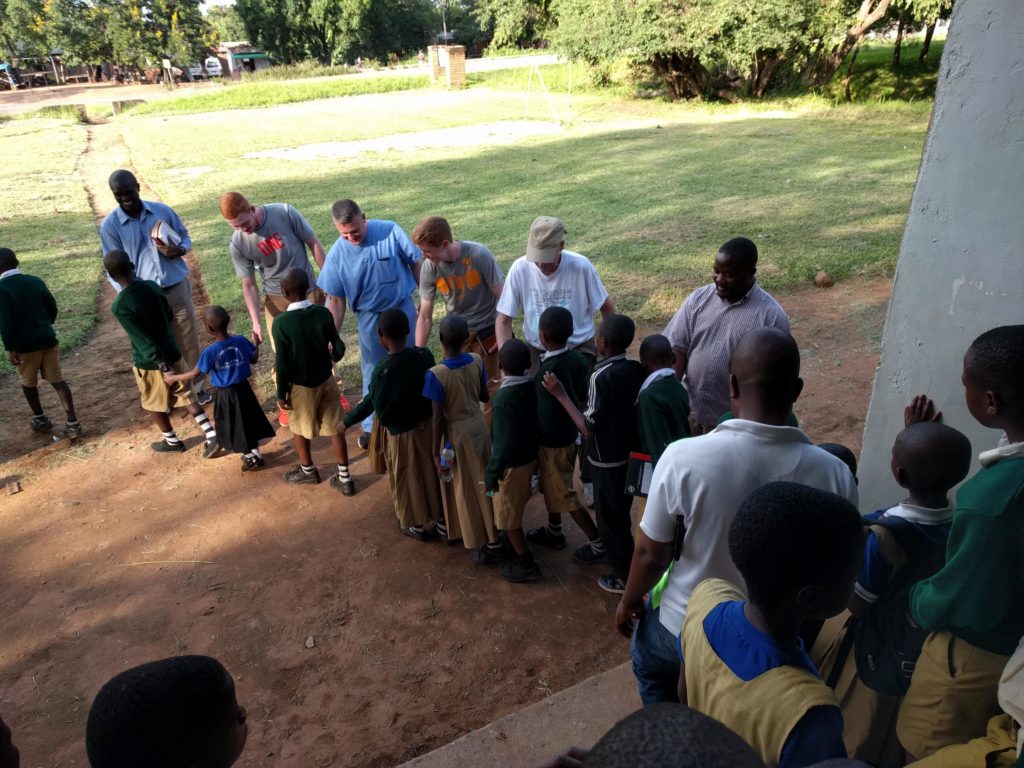
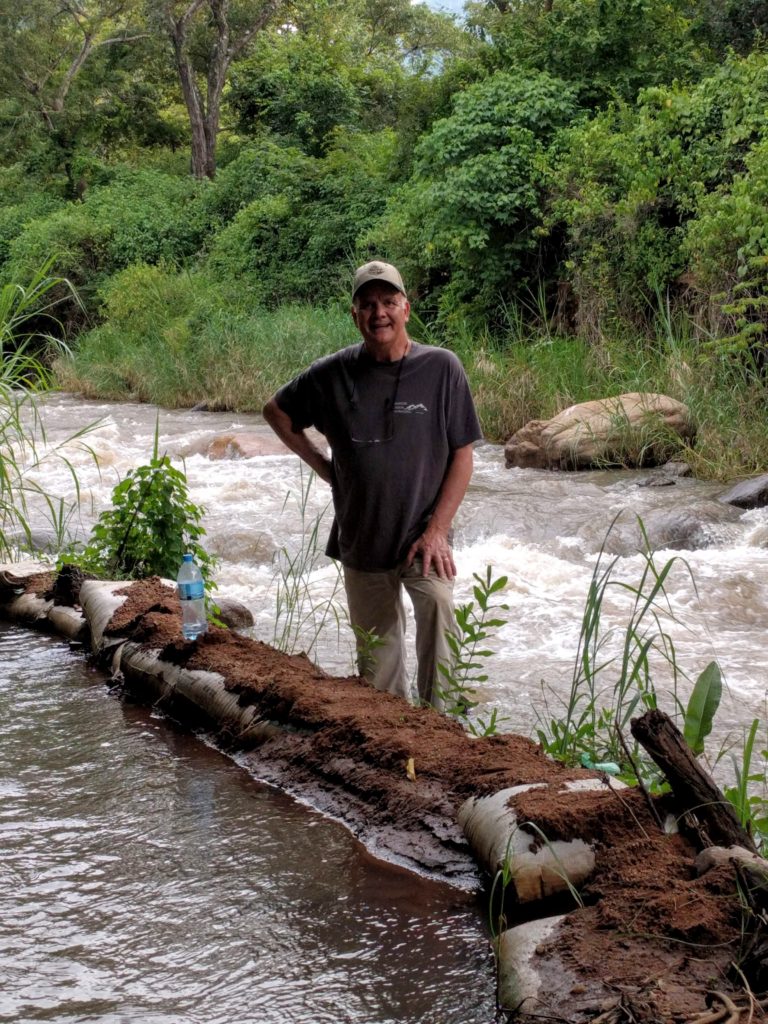
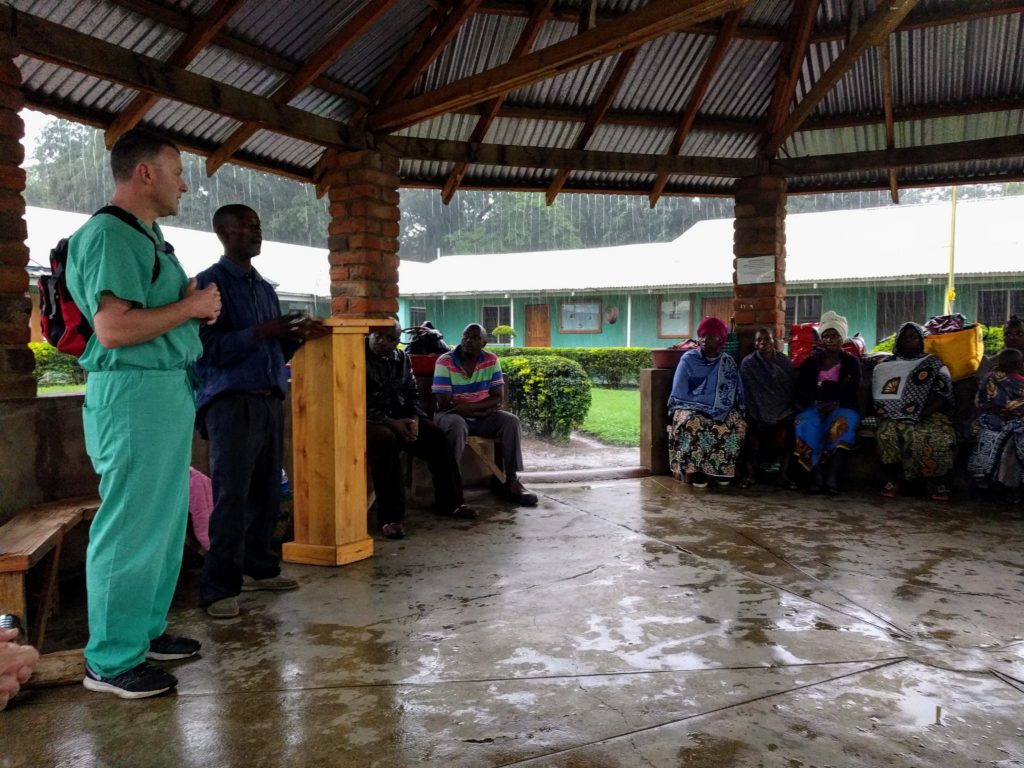
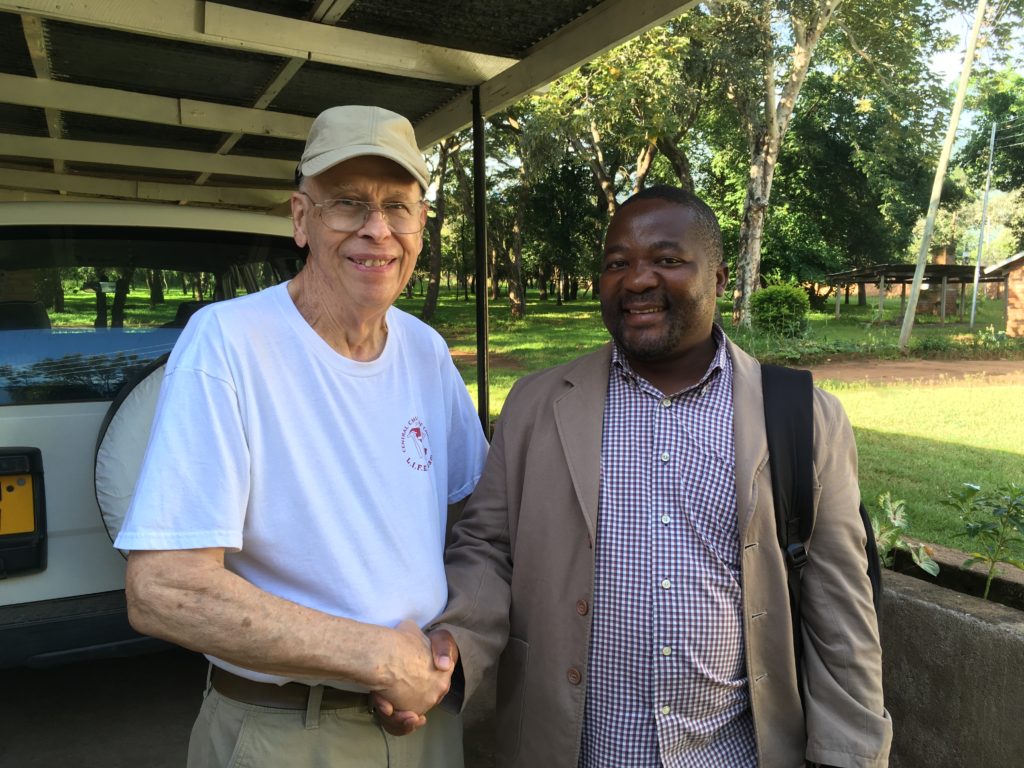
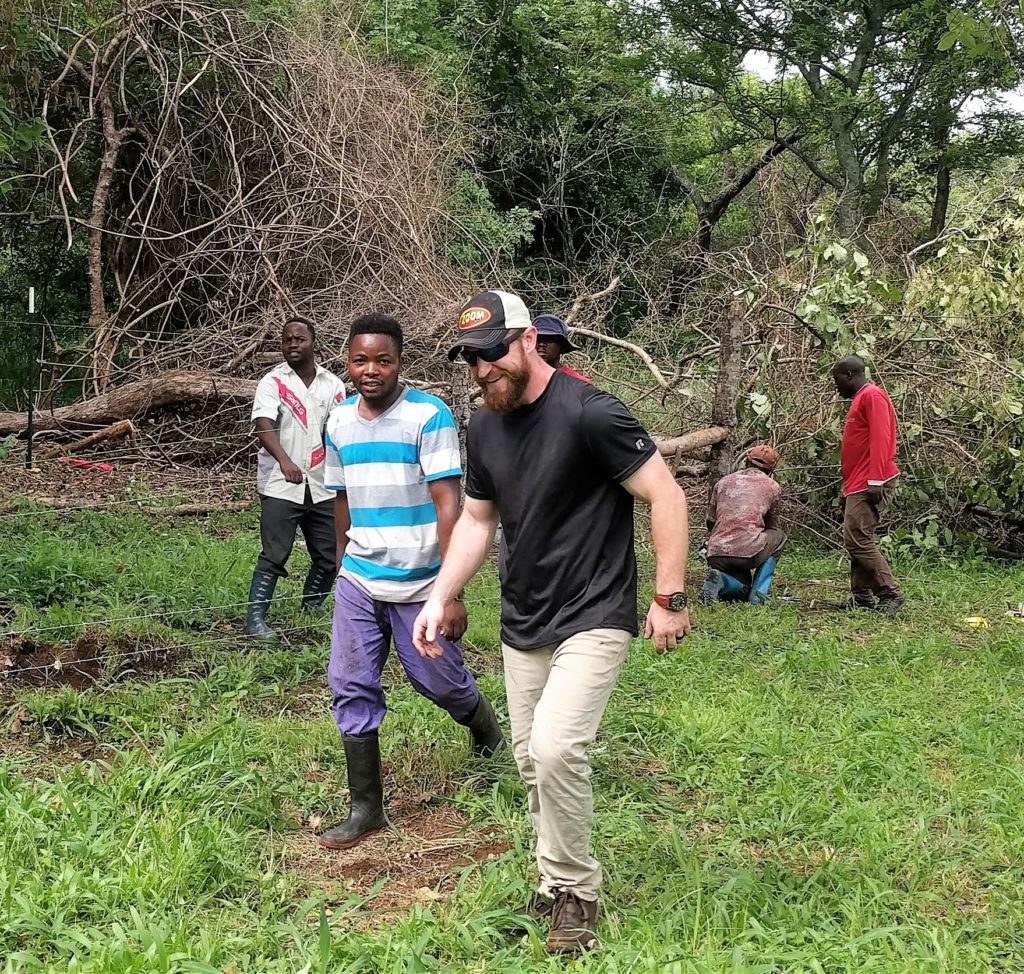
Just to name a few: teaching, preaching, tending to the sick and injured, learning new farming techniques, edifying, staff meetings, assemblies, repairing or making something, giving, receiving, asking, explaining, praying, listening, digging, baptizing, examining, giving birth to a newborn, mourning the death of a loved one, singing, eating, laughing, crying, driving…..you can literally get the picture in the images below:
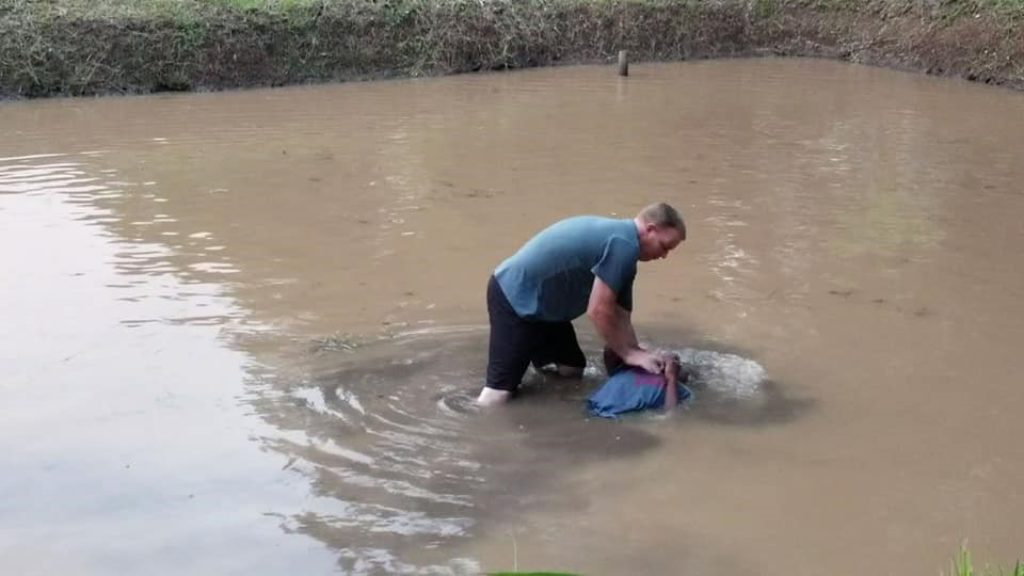
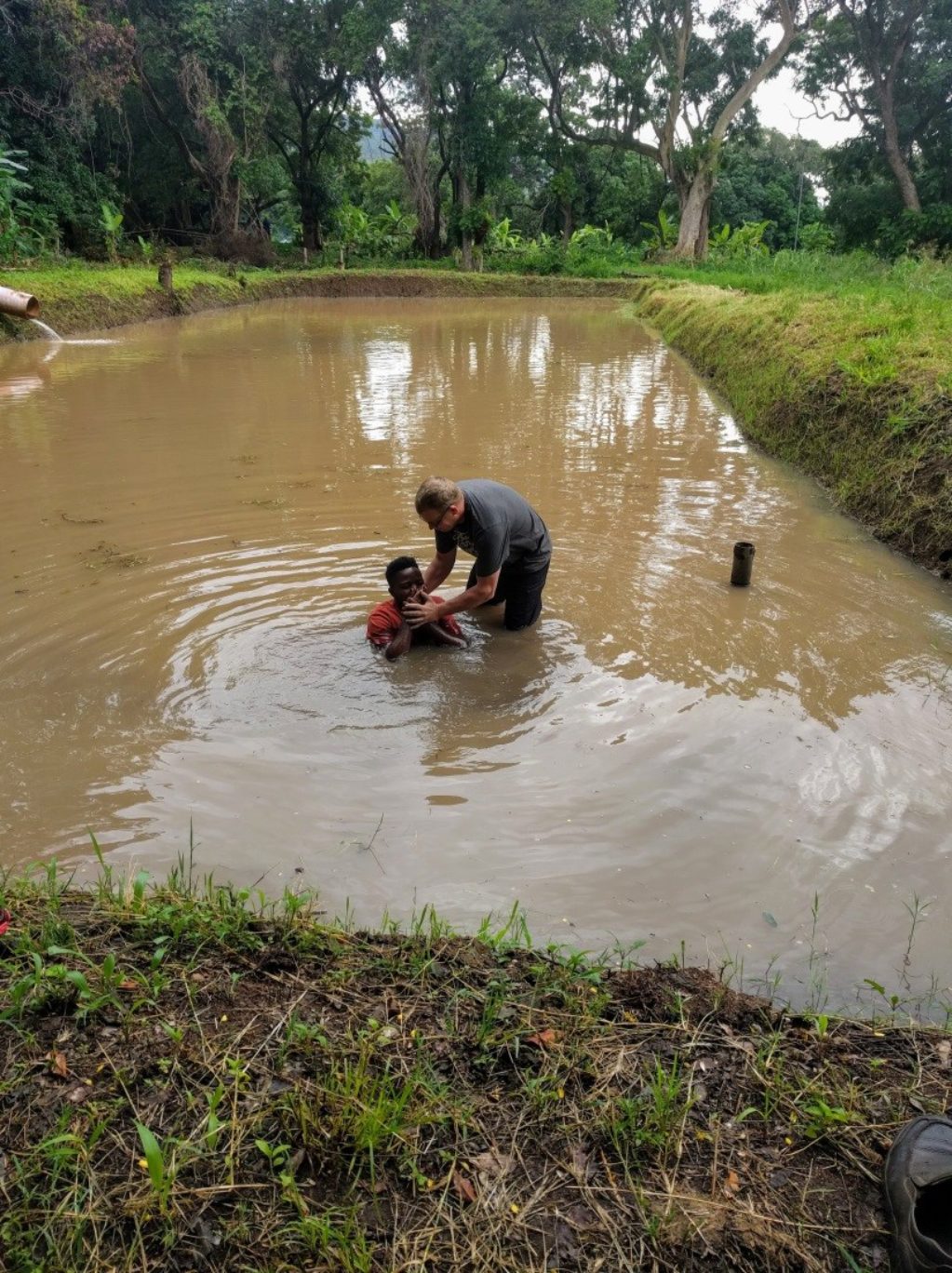
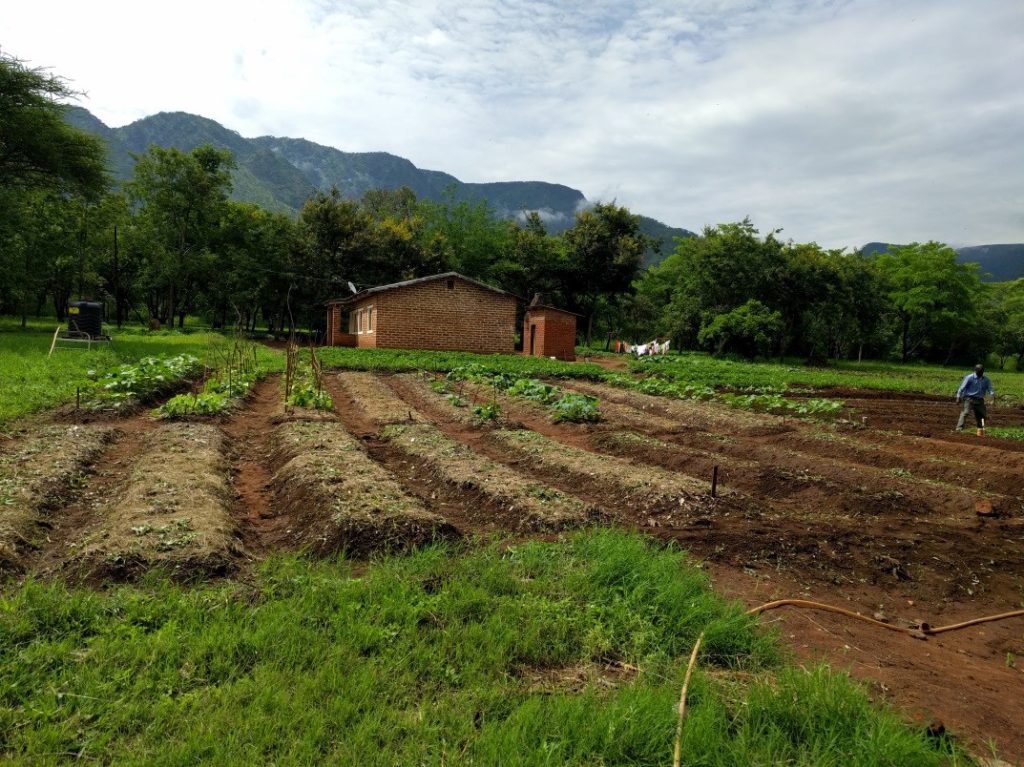
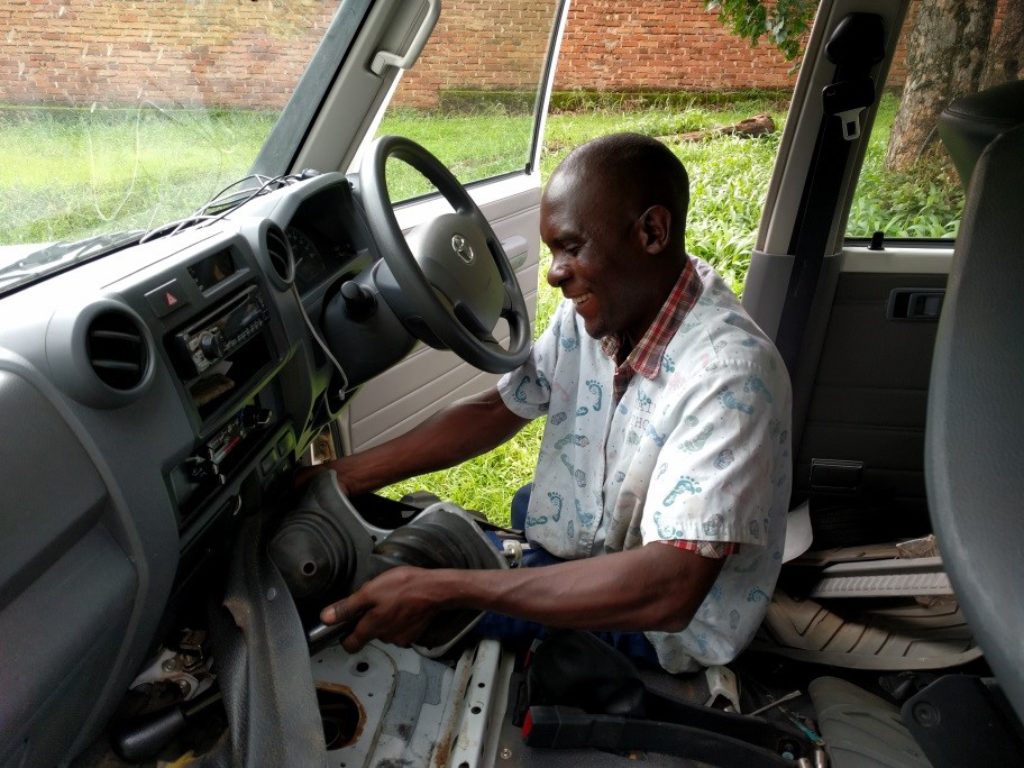
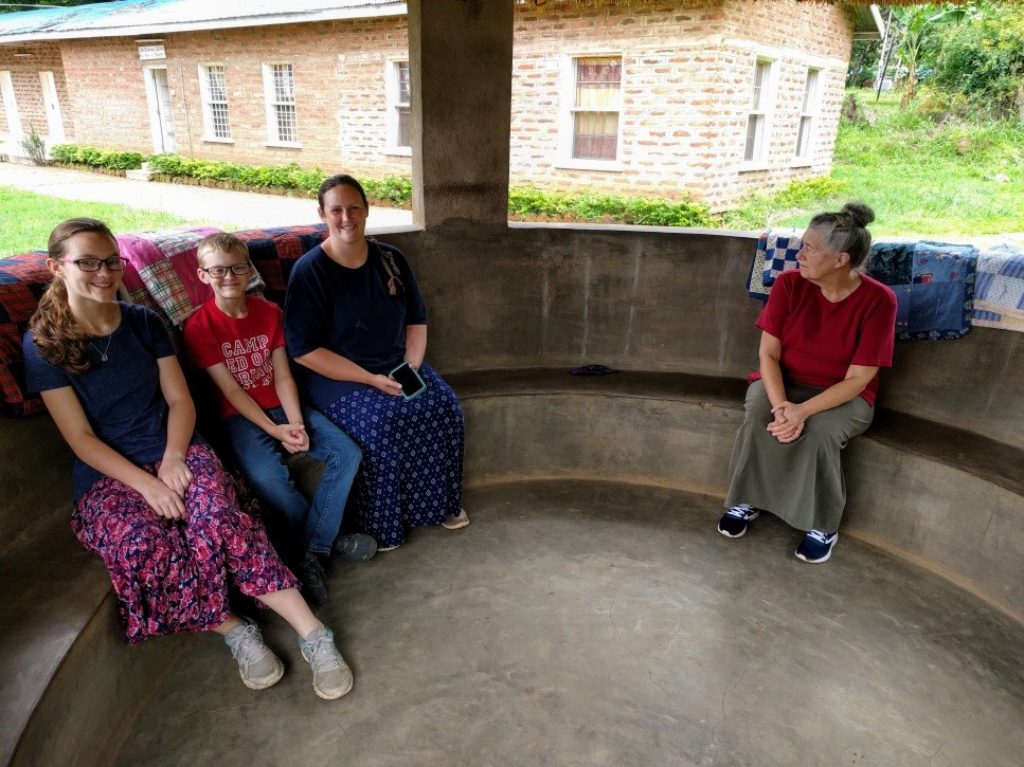
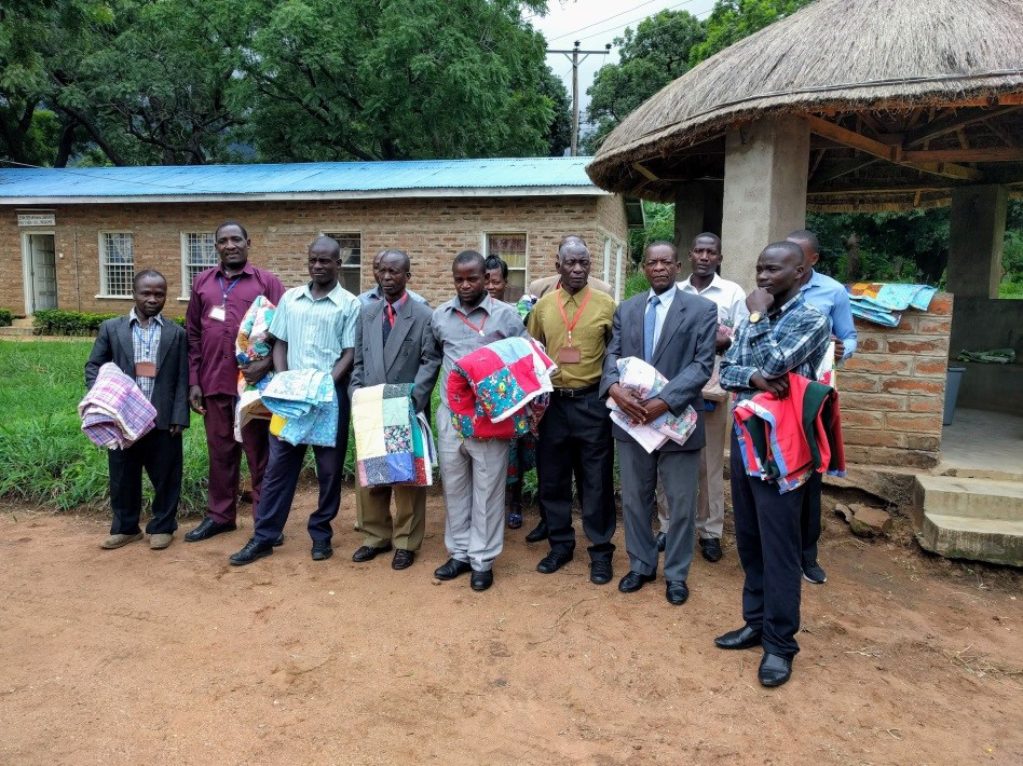
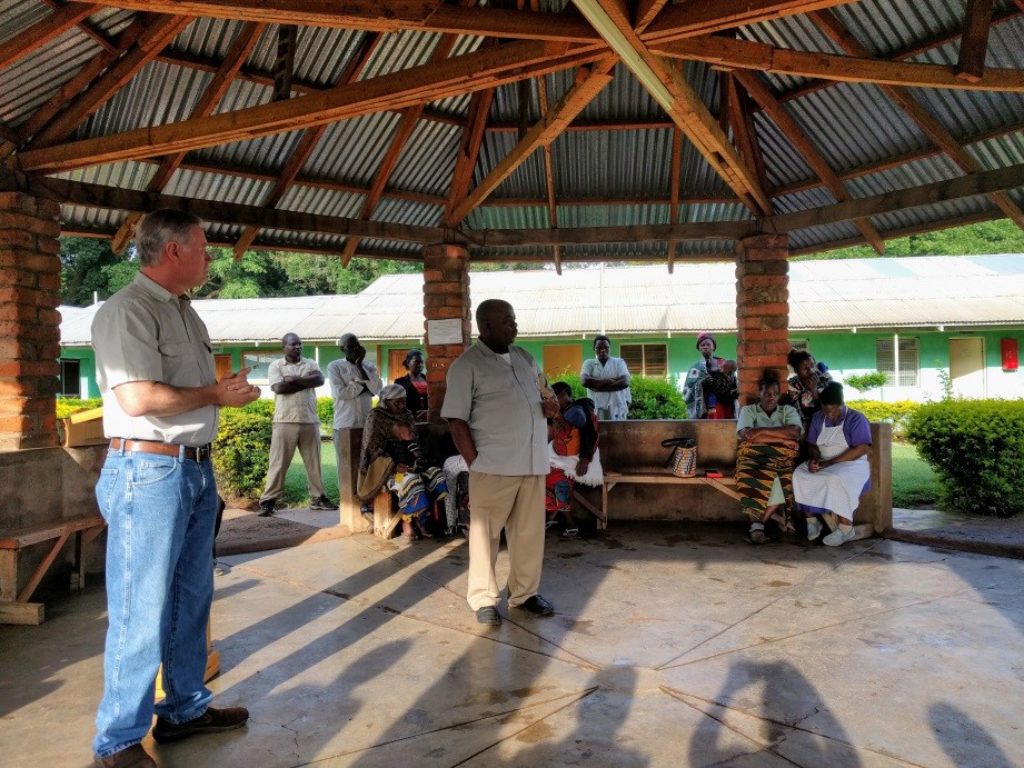
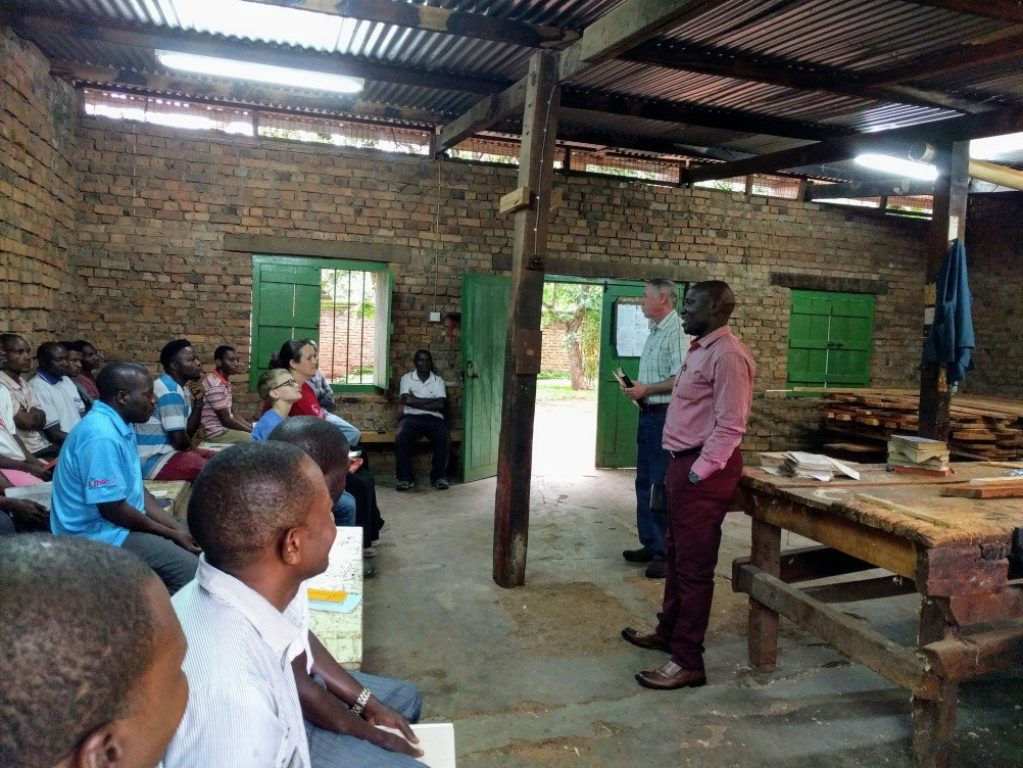
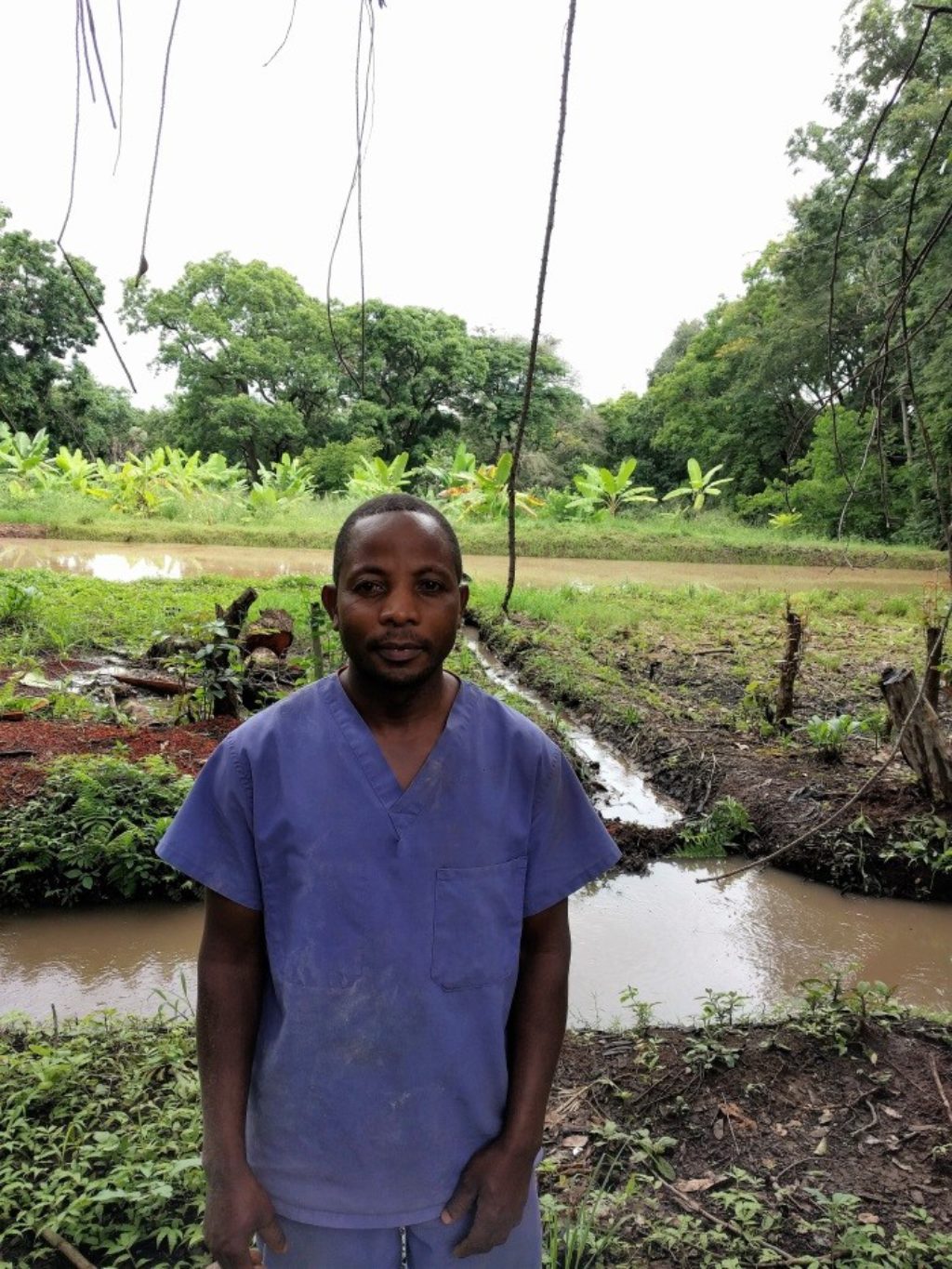
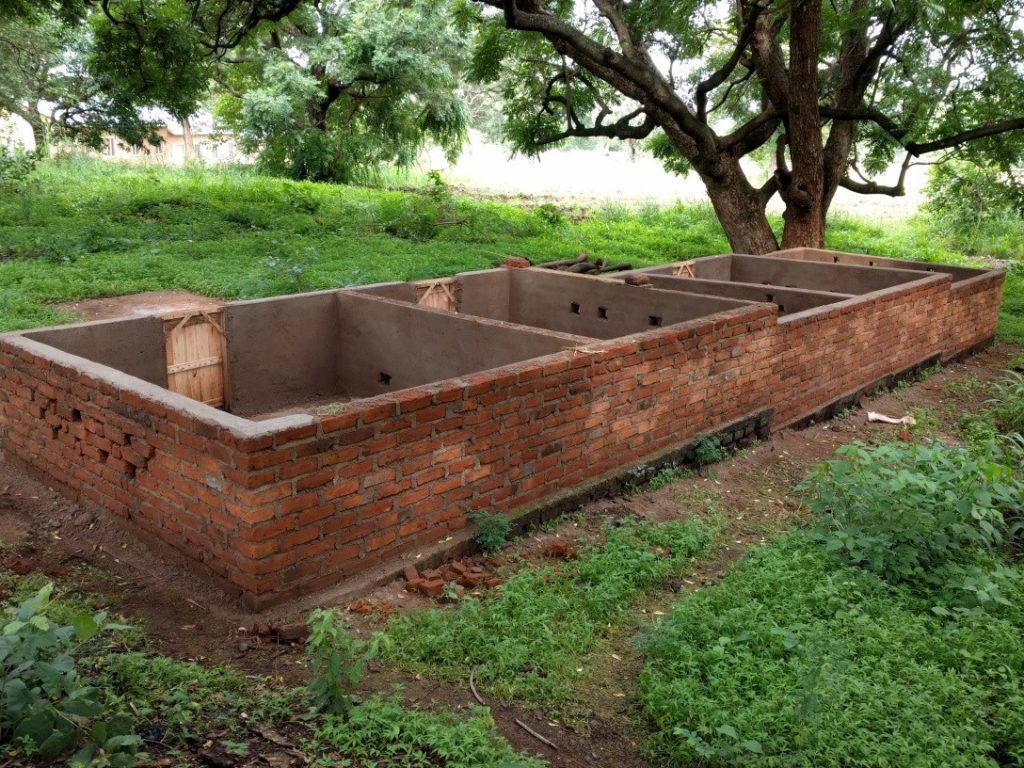
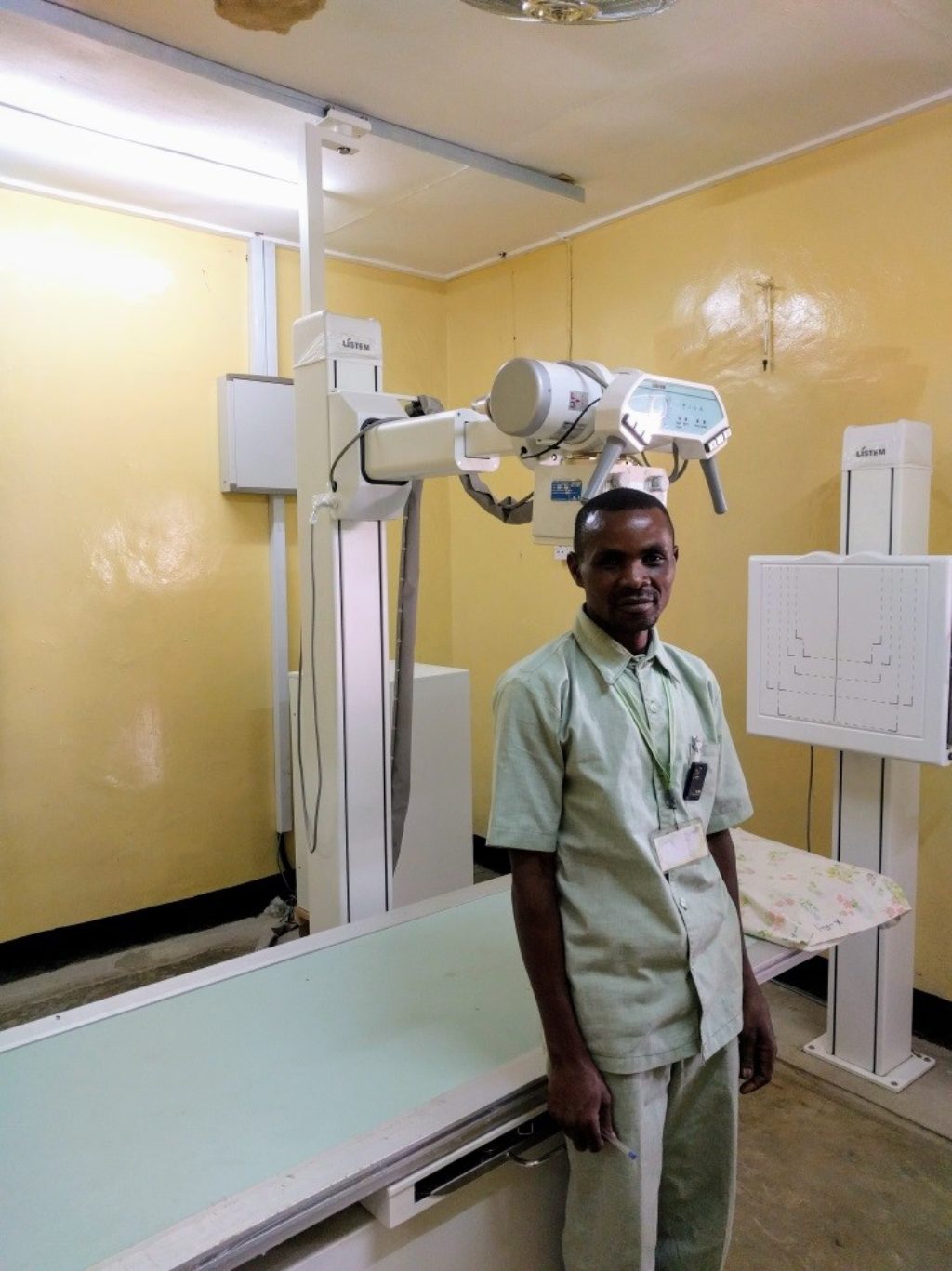
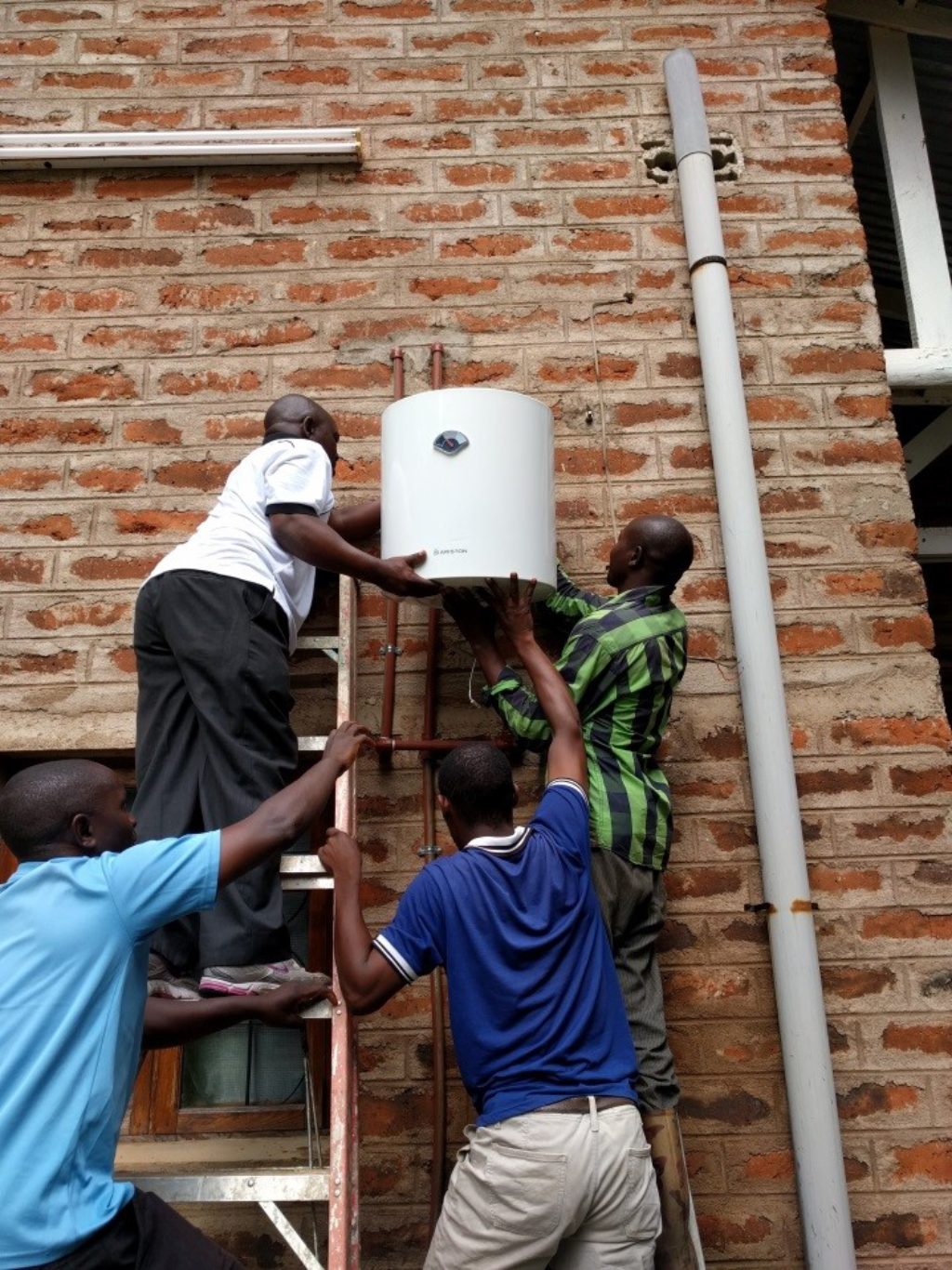
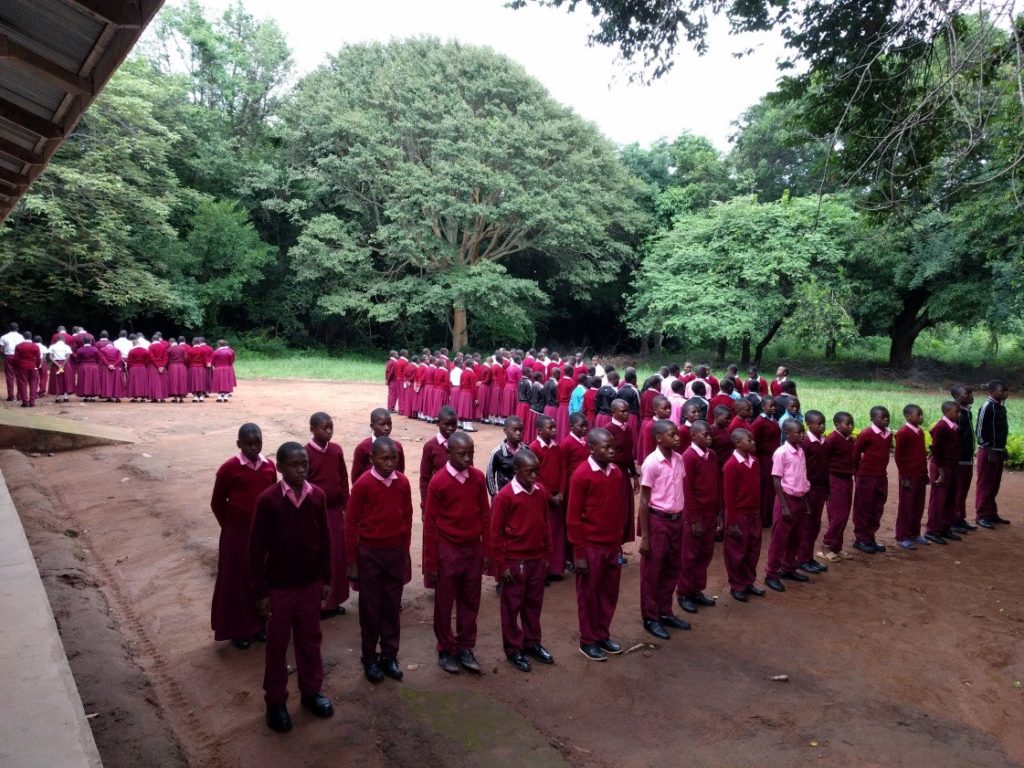
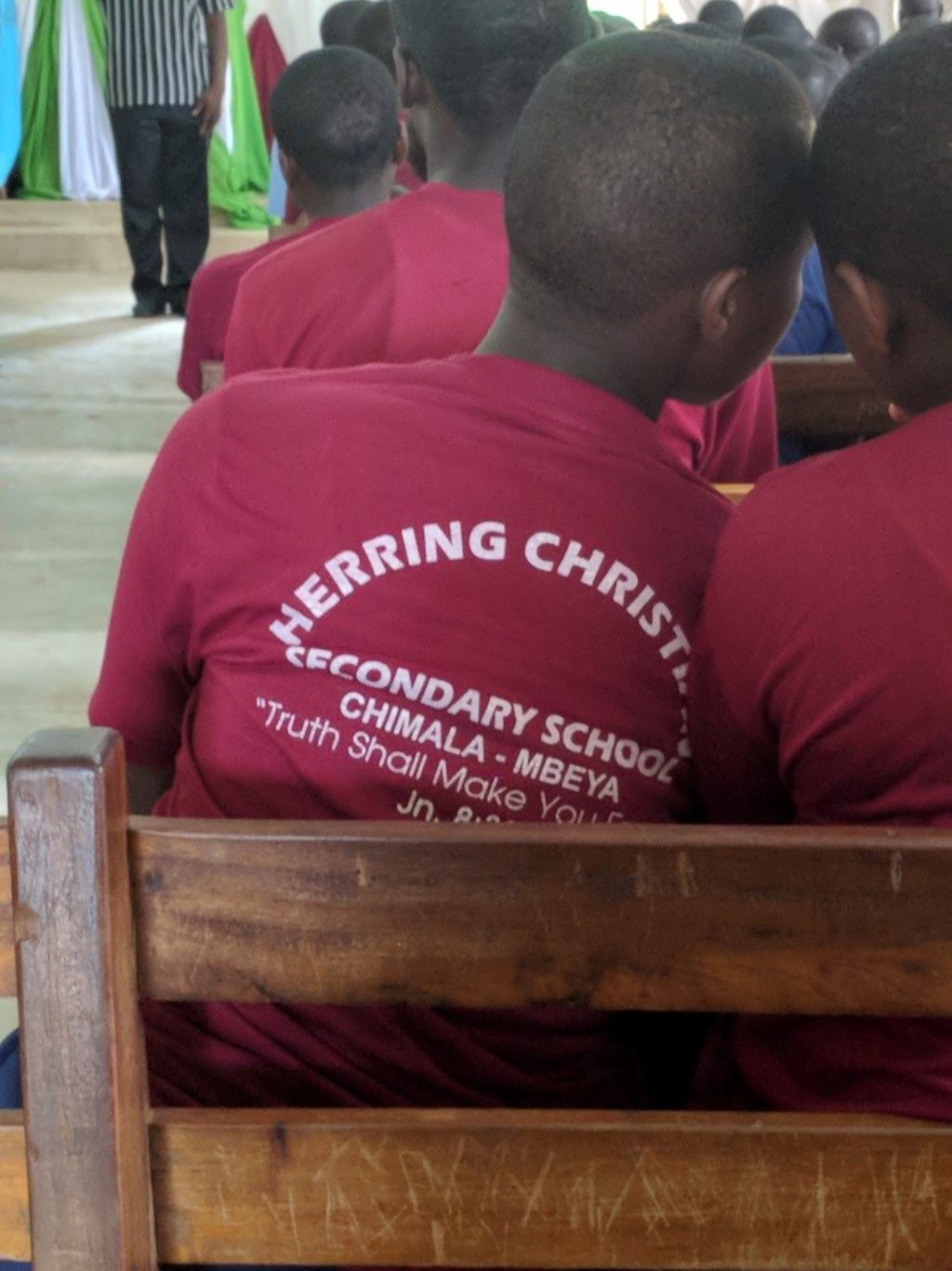
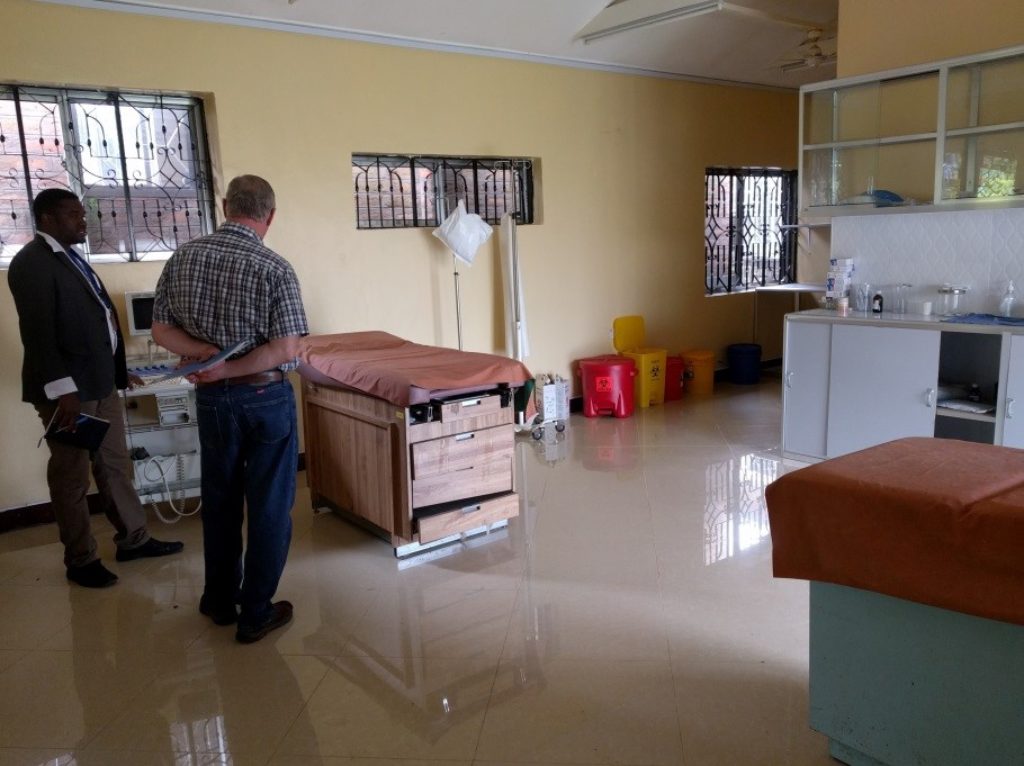
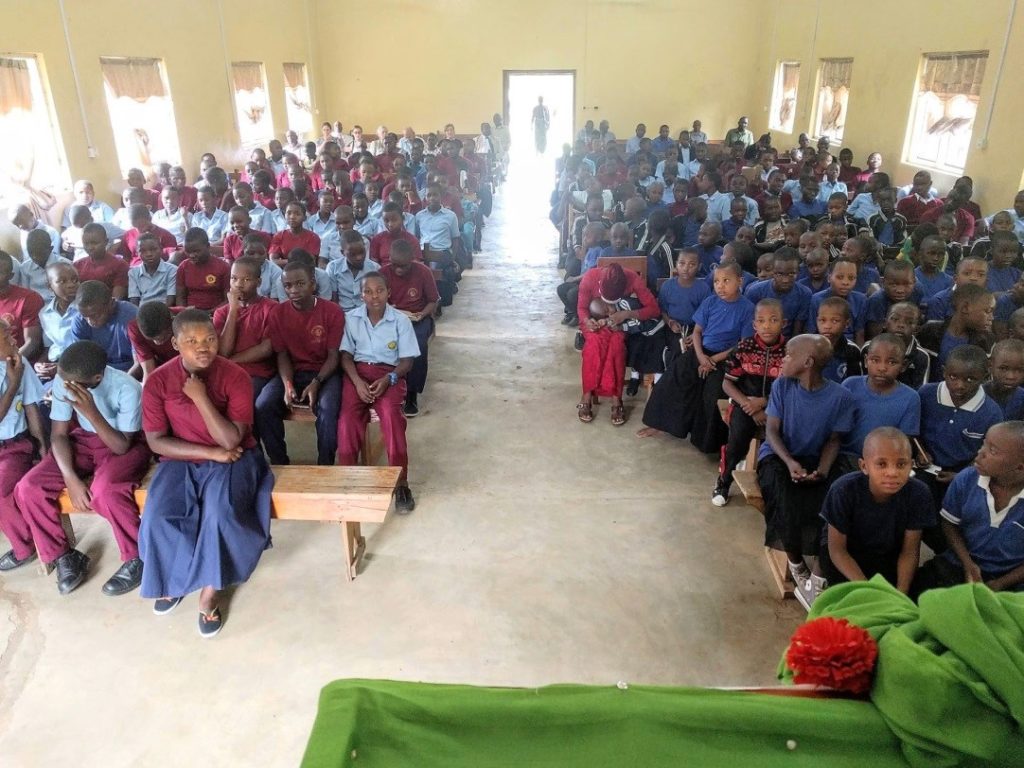
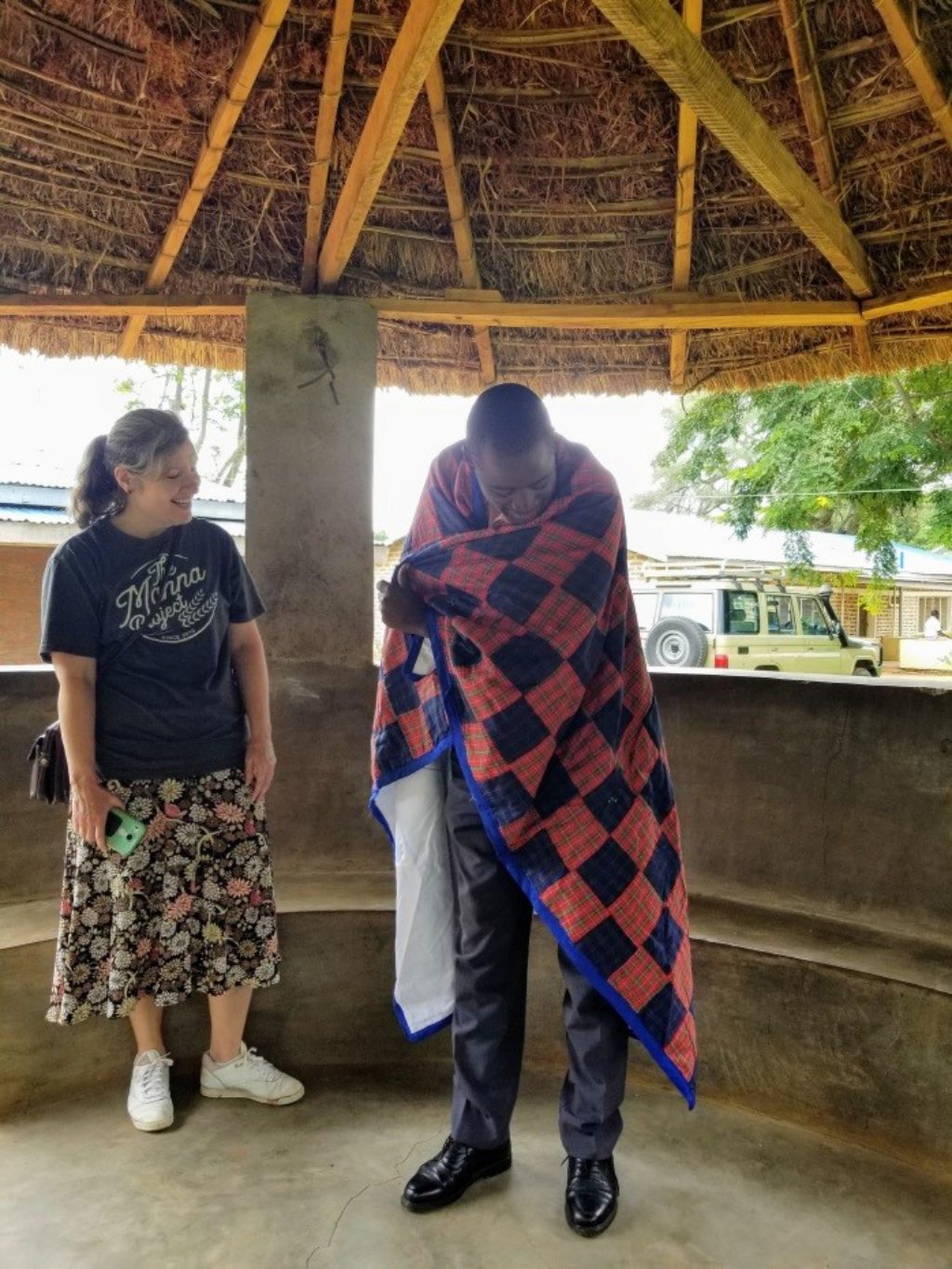
These are only a fraction of the activities and works that go on at the Chimala Mission. They are not just pictures, they represent the souls of people on a journey that will eventually take us all before our Creator. Making the gospel available in this far and remote part of Africa is what has made the Chimala Mission so invaluable to so many people.
Your continued prayers, encouragement and support help keep this vital effort in southern Tanzania alive. There is still much to do and many challenges yet to face. Meeting these challenges is frequently at a financial cost, as are all effective works of the Lord. But we are confident that our God shall supply all our need to accomplish His will through good people like you. God bless!
Howell Ferguson
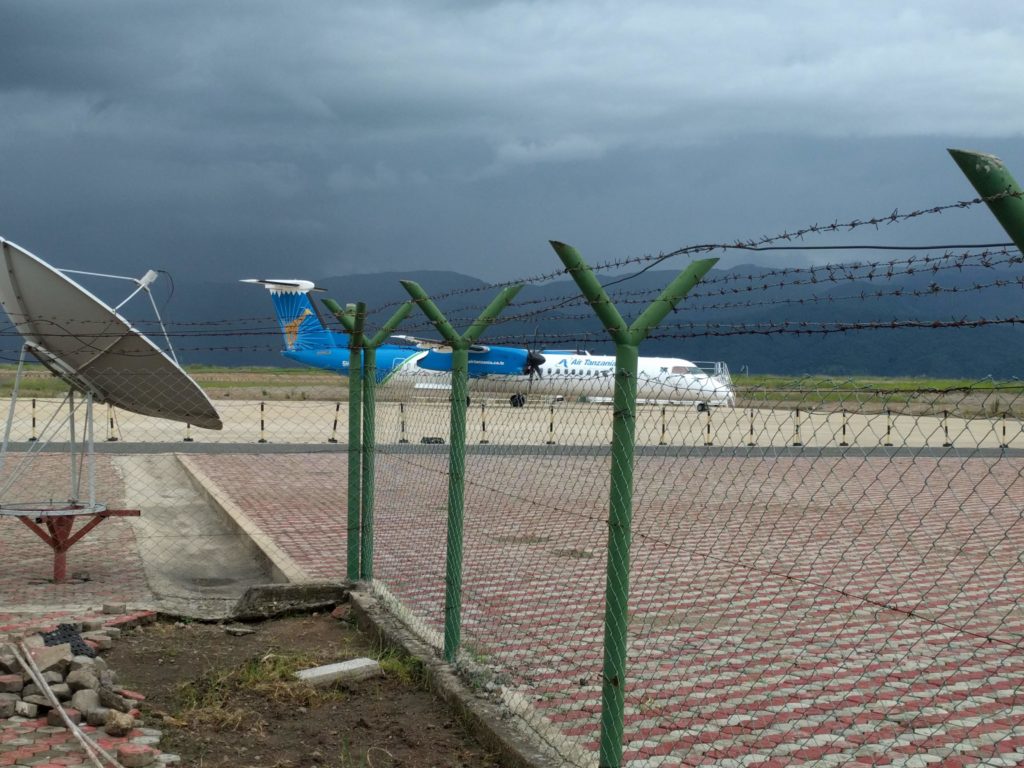
We are now finishing the fourth day of our first visit to the Chimala Mission for 2019. It began in a similar way to countless other trips to Tanzania that we have taken in the past. A short flight from Nashville to Washington, D.C; an 8-hour flight to Zurich, another 10-hour flight to Dar-es-Salaam; and finally a short trip to Mbeya followed by a 2 ½ hour drive to Chimala. Menard Swila, mission administrator picked us up for the drive. All our luggage made it, so we arrived at the mission around 5:30 pm. As hard as the trip is, this one was as uneventful and smooth as they come.
Richard and Carol Rogers arrived at Chimala a day earlier than us just coming off their furlough. Gage and Kelly Coldwater and their children, Aurora and Pike, have been here at the mission for about a month working with the new farm project. With all of us here we have been taking advantage of opportunities to eat together and get to know one another better.
The jet lag seems to be a little more annoying than I remember. After waking up the last two nights feeling like I’ve been asleep all night, and then to see the clock read 12:30, is a bit frustrating. But the good coffee that I know is coming a few hours later is worth the slight inconvenience. Speaking of inconvenience, the electricity has been going out more than I would have guessed since it is the rainy season, and the hydro-electric plants should have plenty of water in their rivers. But so far we’ve woken to only one gully-washer early Saturday morning. I’m sure more will come. The road up to the Ailsa mountain mission behind the Chimala Mission is impassable. Consequently I may not be able to visit that work on this trip.
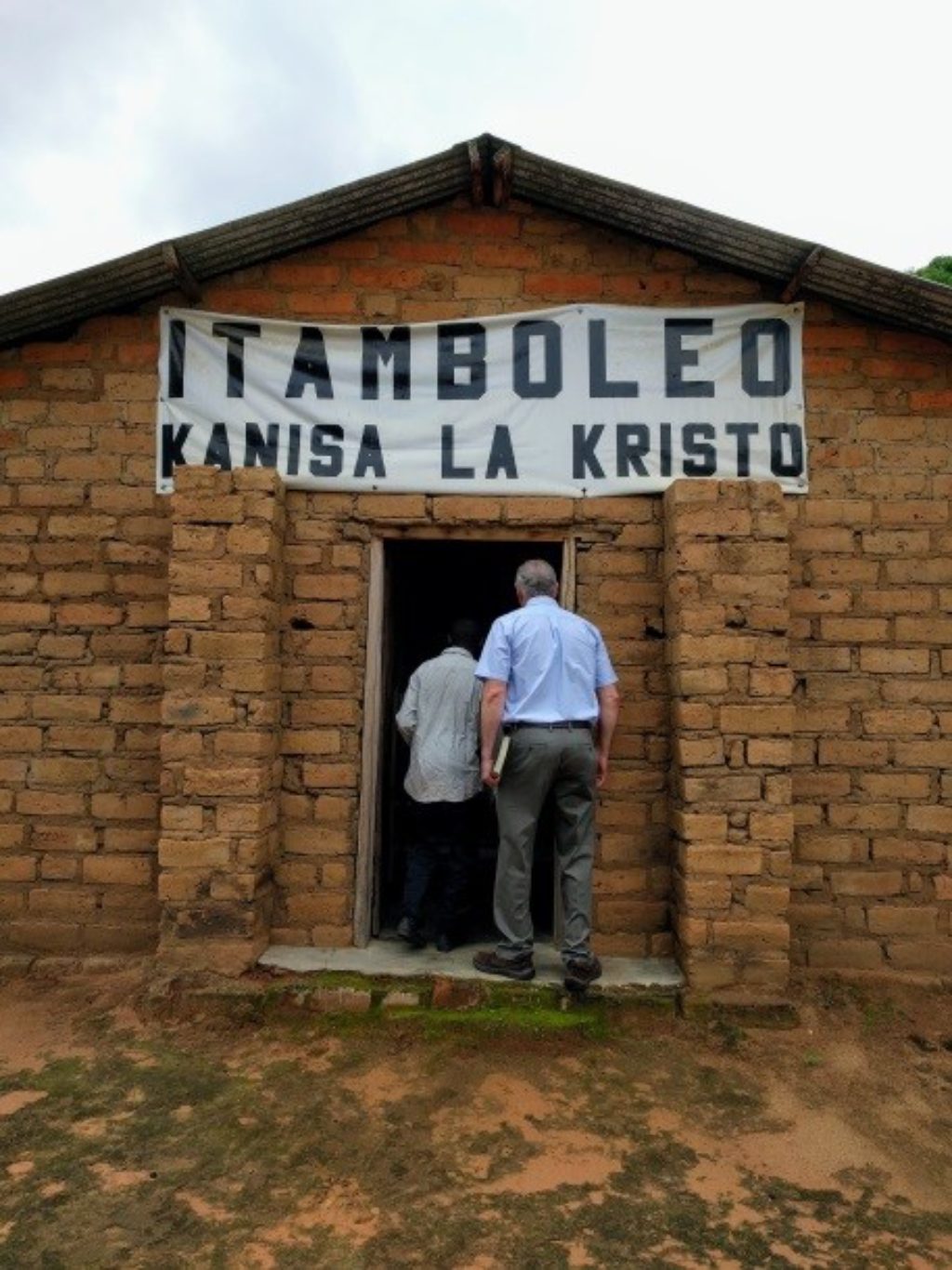
Since our arrival to Chimala started on a Friday, I have not disturbed the Chimala staff too much due to the weekend. But at the same time I have been able to jump-start a few discussions with Menard Swila—the mission administrator, as well as with Richard concerning the Chimala School of Preaching, and Gage with the farm program.
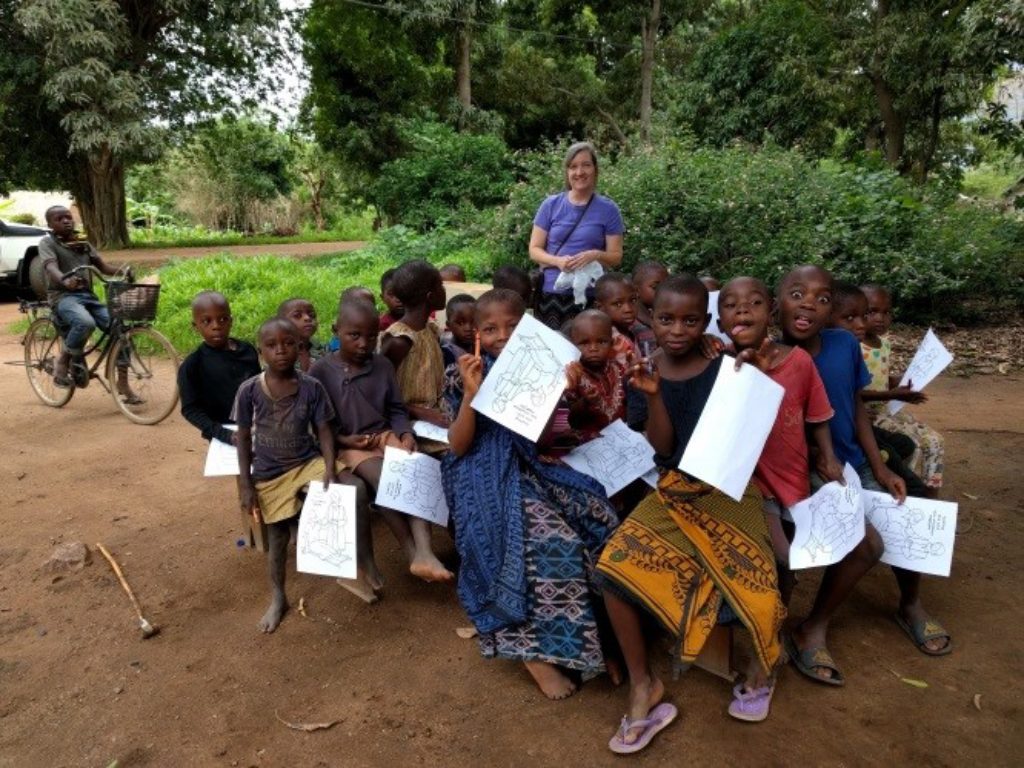
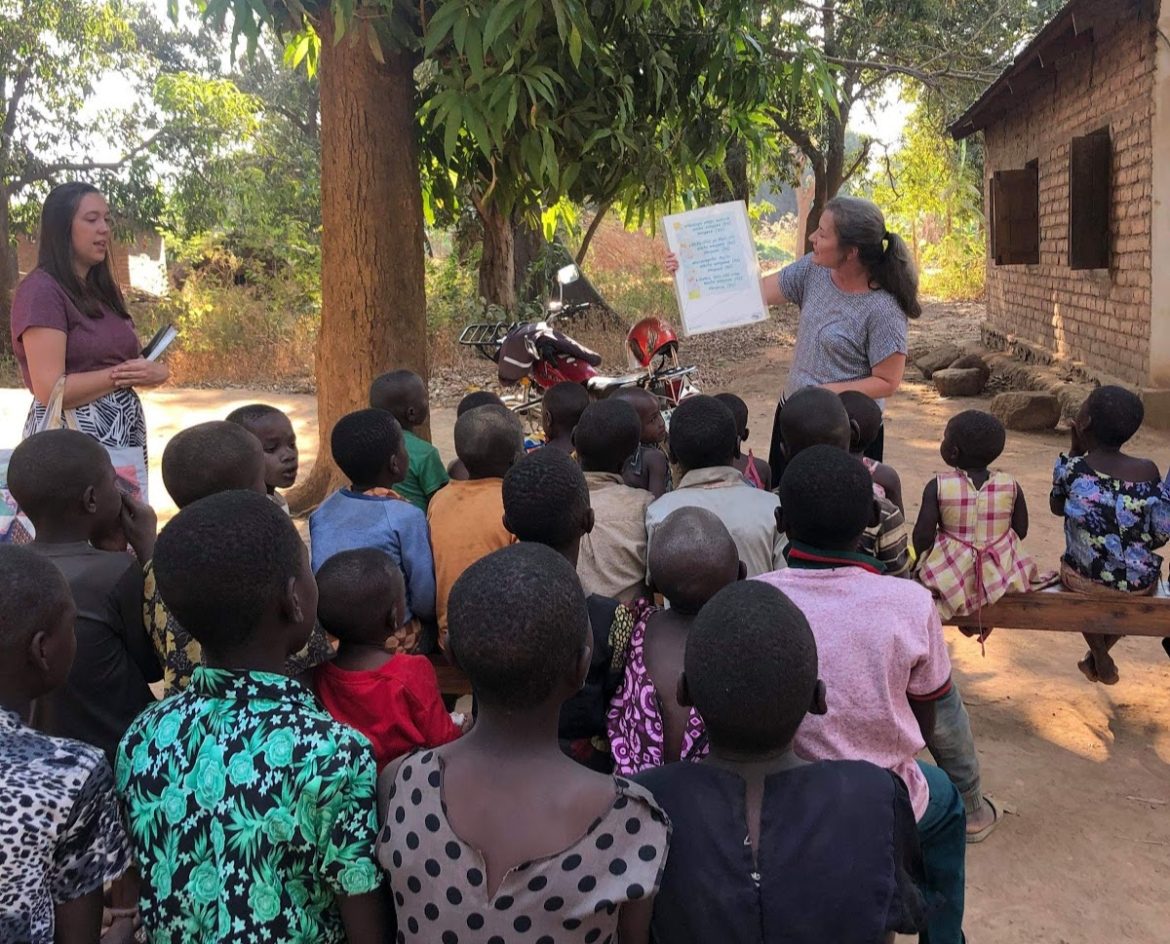
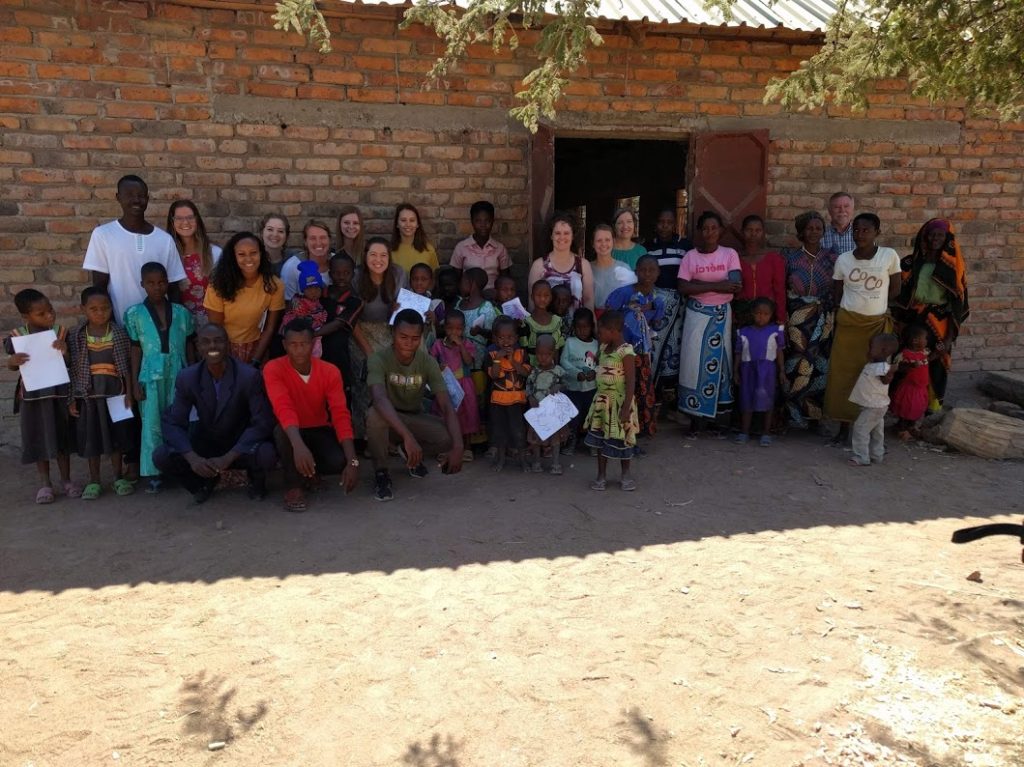
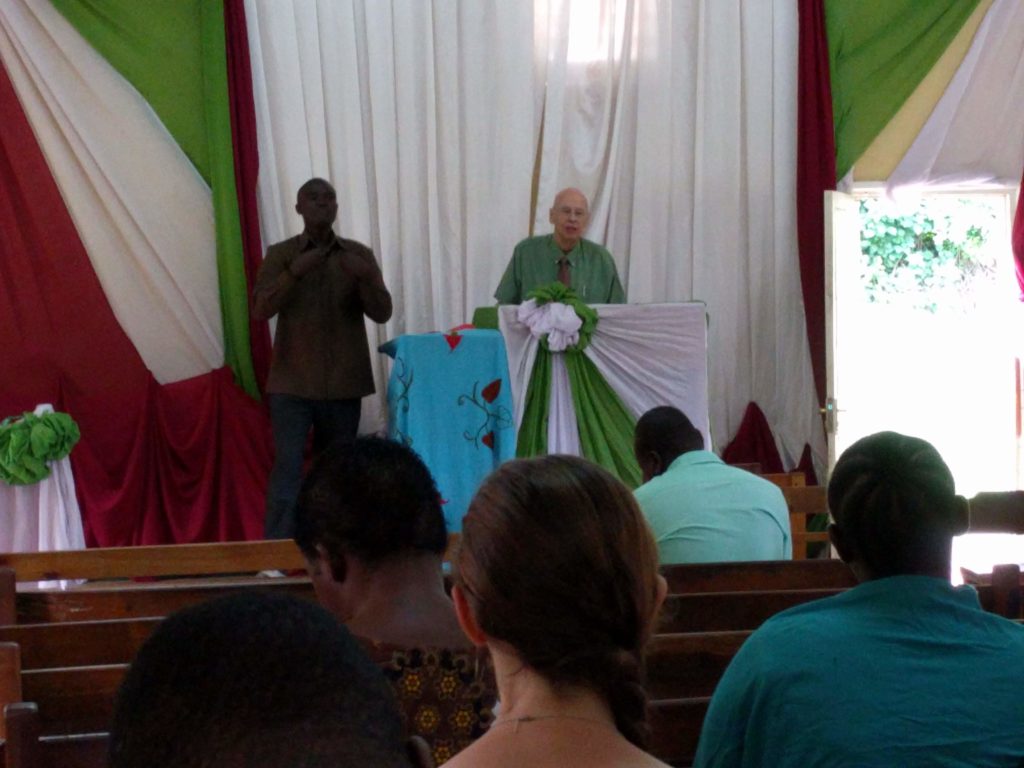
This morning, we worshipped at Itamboleo, a little congregation a few kilometers west of the mission on the Great North Road. Although there were only around 15 in attendance, the voices of the Tanzanians rang loud and clear in that little brick building. A visiting preacher was prepared to speak there as part of a preaching rotation among some of the congregations. I was asked to say a few words to prepare the church to partake of the Lord’s Supper and to prepare them for the time of the collection. That afternoon, Menard, Mary and I traveled to one of our favorite village churches – Chosi A. And our going there was not so much for the few members to hear me, as it was for the group of small children that came from all directions to hear Mary teach Bible lessons using laminated sheets that she had made several years ago.
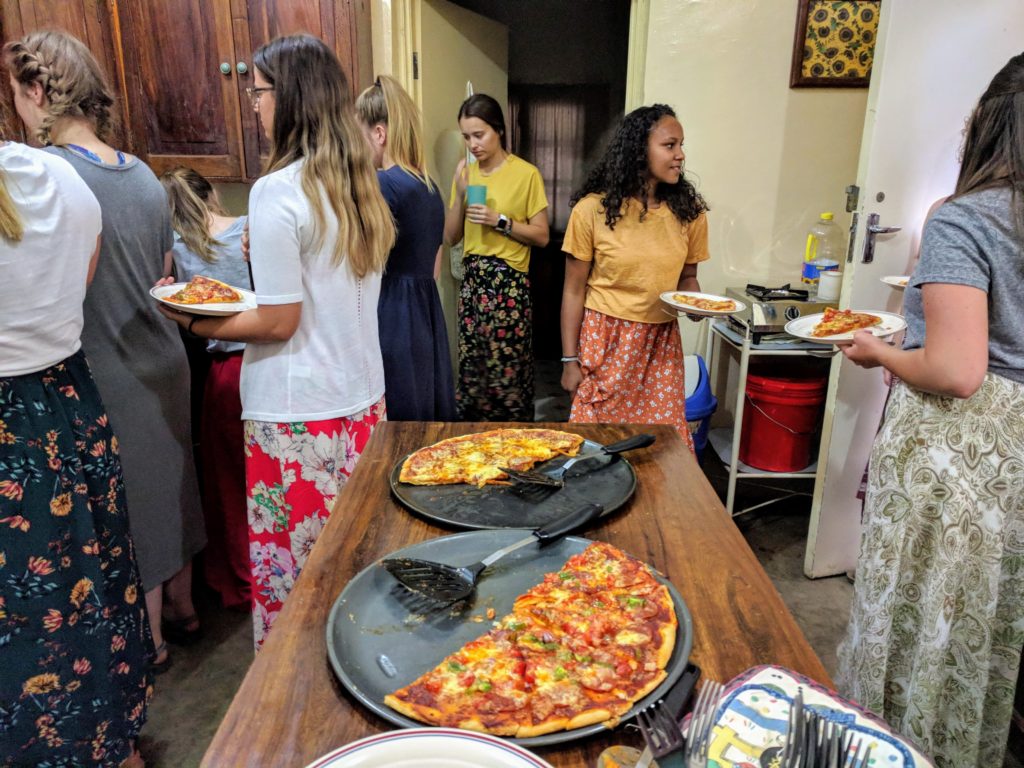
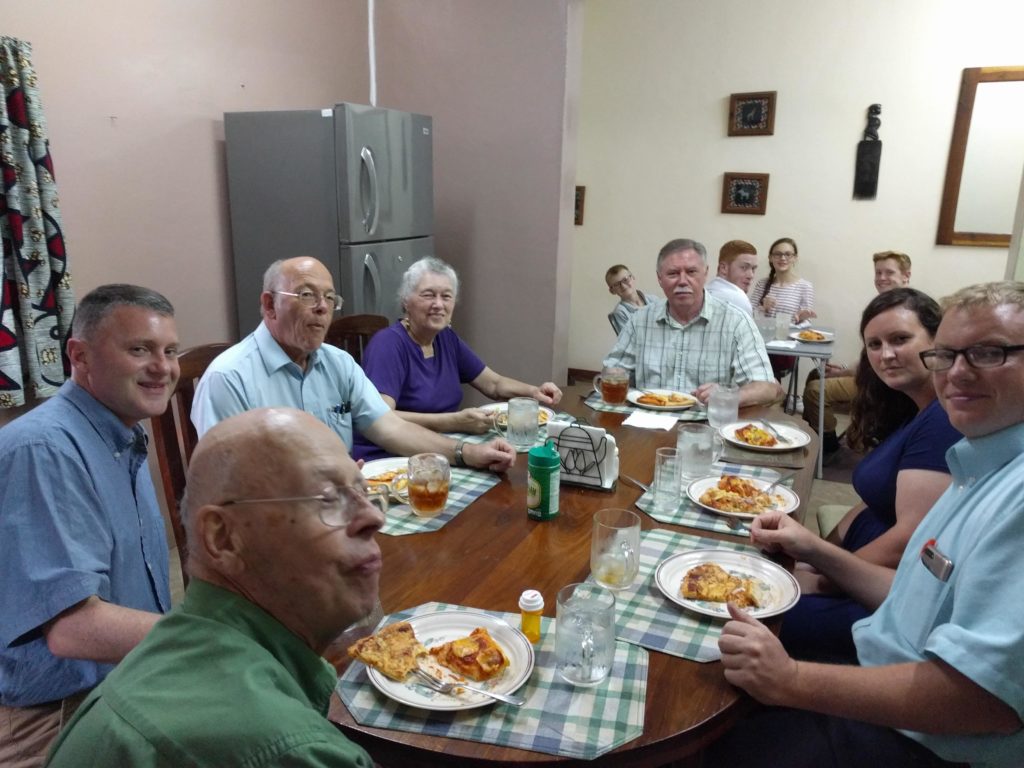
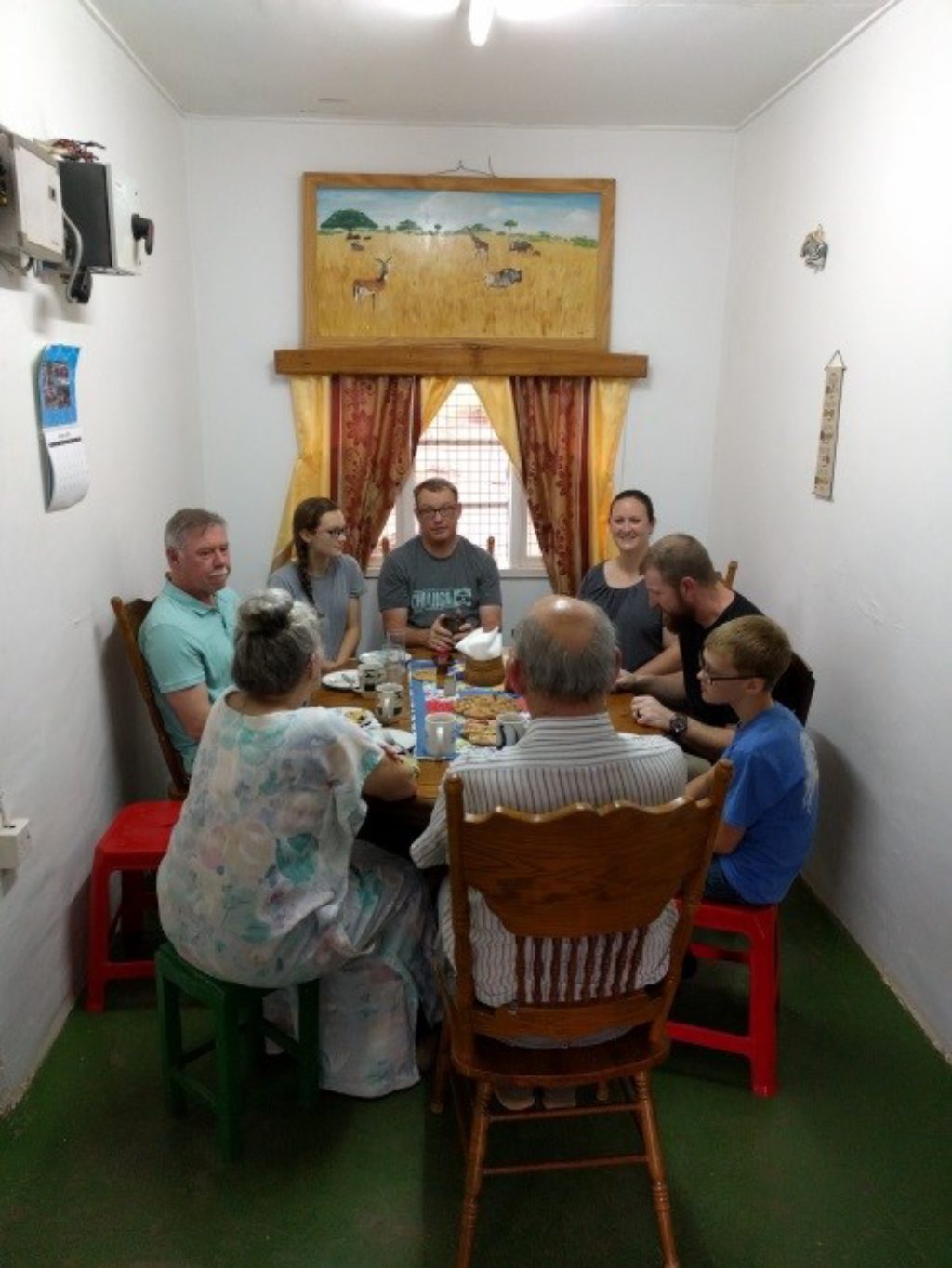
Just this evening before sitting down to write this report, we enjoyed a tradition started by Bill and Cyndi Stinson of eating pizza at one of the mission houses. Carol asked everyone to come to her house where we crowded around a small oval table enjoying great pizza.
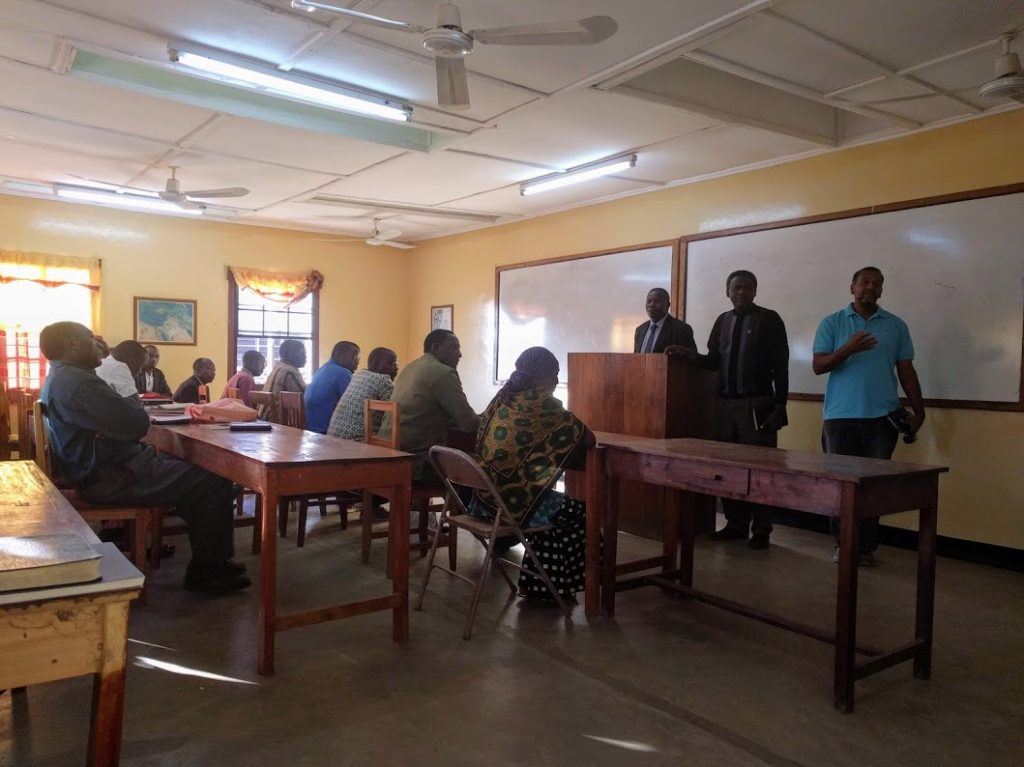
Tomorrow (Monday) morning will start the beginning of a very busy week. Chapel at CSOP will begin at 7:30, as do all the chapel services around the mission. The preacher students are returning to begin orientation and the first day of school. On my computer I have already made a list of many things I need to do including many meetings with department heads and administrators. The entire mission will be buzzing with activity with the preaching school, the hospital, the primary and secondary schools as well as all the activities of the farm project and estate workers.
On a final note, Bill and Cyndi Stinson had to cancel their flight to Chimala due to Bill having a health issue. Because he is facing several tests, he is not sure when he will be able to come. Thankfully, he and I have been discussing many areas about the mission as I have become the new stateside coordinator beginning this year. So I ask that you pray for both Bill and Cyndi as they face this health concern.
On a personal note, I would appreciate your prayers as I just learned yesterday that my Mom was taken to the ER because her potassium and sodium levels were low. She was then taken to CCU until her levels were back to normal, and now she is doing much better.
I am grateful to God every day that He has entrusted His world-wide spiritual objectives to the hands of precious people like you who really care what happens to others. Your prayers, encouragement, and support are having a tremendous effect as the love and care for both the body and soul is demonstrated daily at the Chimala Mission.
Howell Ferguson
It would not be a stretch to say that a good amount of effort has been spent in mission works in East Africa over the years. From the early efforts of men such as Eldred Echols who made his way from South Africa upward through Zimbabwe, Zambia, Malawi and eventually reaching Tanganyika (Tanzania’s former name under British rule), until the present efforts centered in Arusha, Chimala, and Dar-es-Salaam; Tanzania has frequently been the location of choice for many mission works in Africa. What makes Tanzania a desirable location from which to conduct mission work should not be viewed from its numerous national parks with exotic wildlife nor its moderate climate. Among the many benefits to the missionaries include the following significant factors:
What this all means to evangelistic mission efforts is greater and more diverse connections with a greater number of people on the African continent as well as relative stability for missionaries.
These reasons and many more draw the attention of mission efforts that are seeking an efficient way to maximize the spread of the gospel of Christ in Tanzania and beyond. Among the places within Tanzania, the village of Chimala was one of the first locations of churches of Christ from which to launch mission efforts effectively. Over the years the mission has grown in influence and size and is likely to develop further in its effectiveness and influence. It is continually growing closer to becoming self-sufficient, self-ruling, and self-supported. For about a year now, one of the first graduates of the Chimala Bible Institute, Menard Swila has been serving as the Chimala Mission Administrator. This has been a first. And with new agricultural plans being implemented, the mission should be able to provide for itself more effectively in the way of being good stewards of the land.
You might be wondering why a mission of the church of Christ would be involved in agriculture. That is a good question. The answer lies in stewardship. Remember, the ultimate goal of the Chimala Mission Hospital and Schools is to “seek and save the lost” with the gospel of Jesus Christ. And a quick glimpse of Chimala’s history will shed a little light on the subject.
After the Lord’s church began to be planted and spread in Tanganyika, the government demanded that the American missionaries provide some type of “social” benefit to help the people or the church would lose its registration. And consequently the missionaries would have to leave. Andrew and Claudene Connally were serving in Tanganyika at that time. When they learned of this dilemma Andrew returned to the States. After discussing the condition with his elders, he began with their approval to raise support to build a hospital which was desperately needed in southern Tanganyika. This action prevented the government from reclaiming the land (over 700 acres) from the Chimala Mission, and the Lord’s church was able to maintain its registration in the country. But for many years now much of the land has been lying fallow.
There is another challenge that factors into this situation: the predicament of multitudes of small village churches without permanent preachers. This has been one of the great obstacles to be overcome by many otherwise successful mission efforts that strive to train indigenous preachers, leaders, and church workers. Most of the Christians in places like Tanzania are very poor rural people with little education and opportunities. While the Christians are taught to give, the total of their giving is very seldom enough to support the preacher and his family. Consequently, preachers either have to be supported (usually from churches in the States) which is undesirable and unsustainable in the long term, or they spend a great amount of their time farming in traditional, highly inefficient methods while the immature churches languish spiritually.
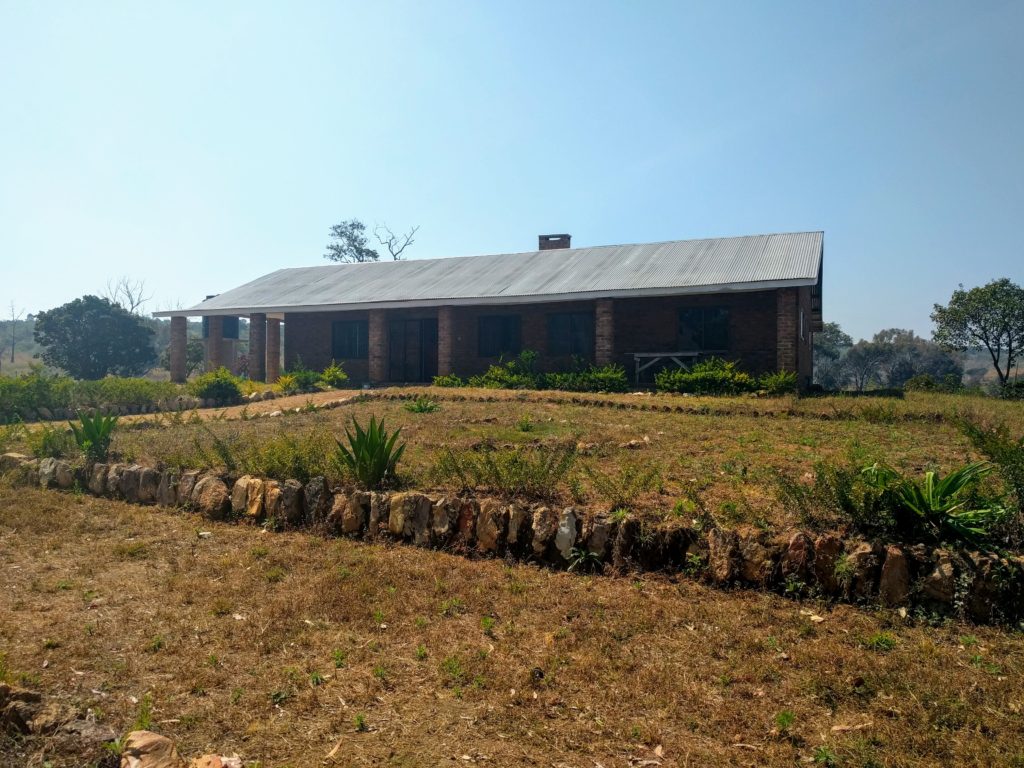
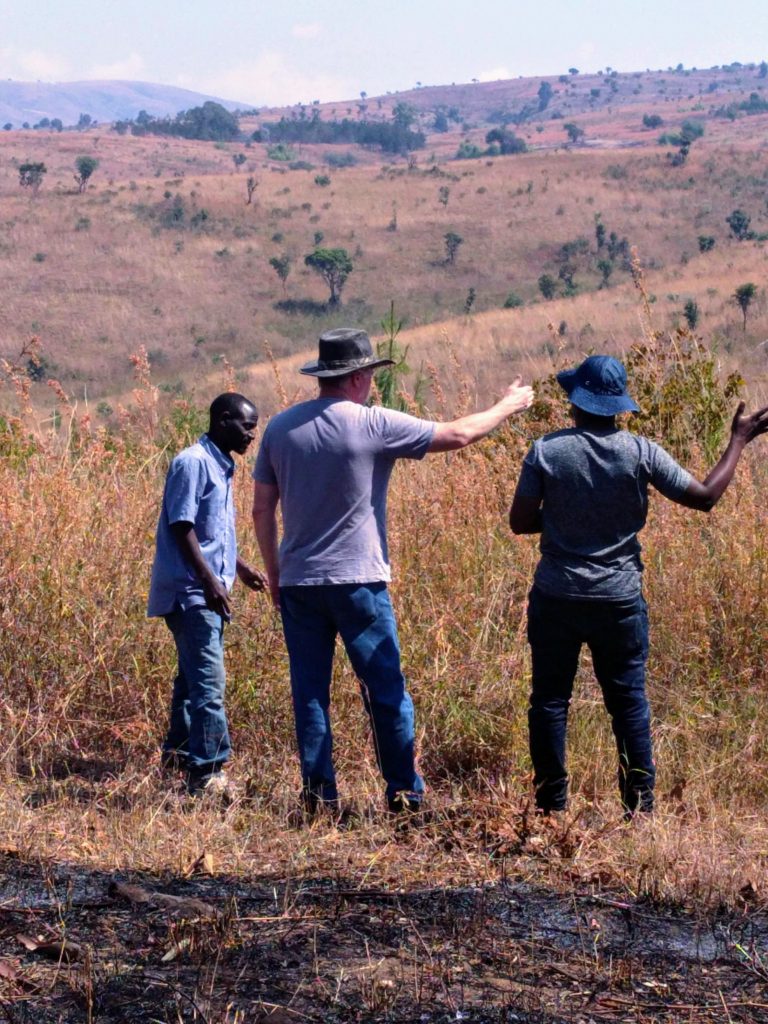
A solution that is being proposed is the implementation of a new farming plan. The basic goals of this proposal are outlined below by Gage Coldwater of “The Manna Project” in Vidor, TX :
Hopefully the idea of stewardship is now made a little clearer in respect to the land at Chimala Mission and the challenge of financing preachers. With God’s help the Chimala Mission can become a model for future development of new mission efforts and church plants. The age-old “Gordian knot” with respect to maintaining preachers in effective ministries in very poor areas could potentially be solved; at least in some instances since agricultural means may not work in every circumstance. As the Lord’s people continue to seek more effective means to reach the lost let it not be said of them, “For the sons of this world are more shrewd in their generation than the sons of light” (Luke 16:8). May we be good stewards of God’s things He has placed in our hands.
Chimala Mission is a work focused on healing the bodies and souls of those in Tanzania, Africa (and the surrounding countries). We teach Christians how to preach the gospel, and we use our resources to show the people that Christ's Church cares about them so they will listen to God's Word.